


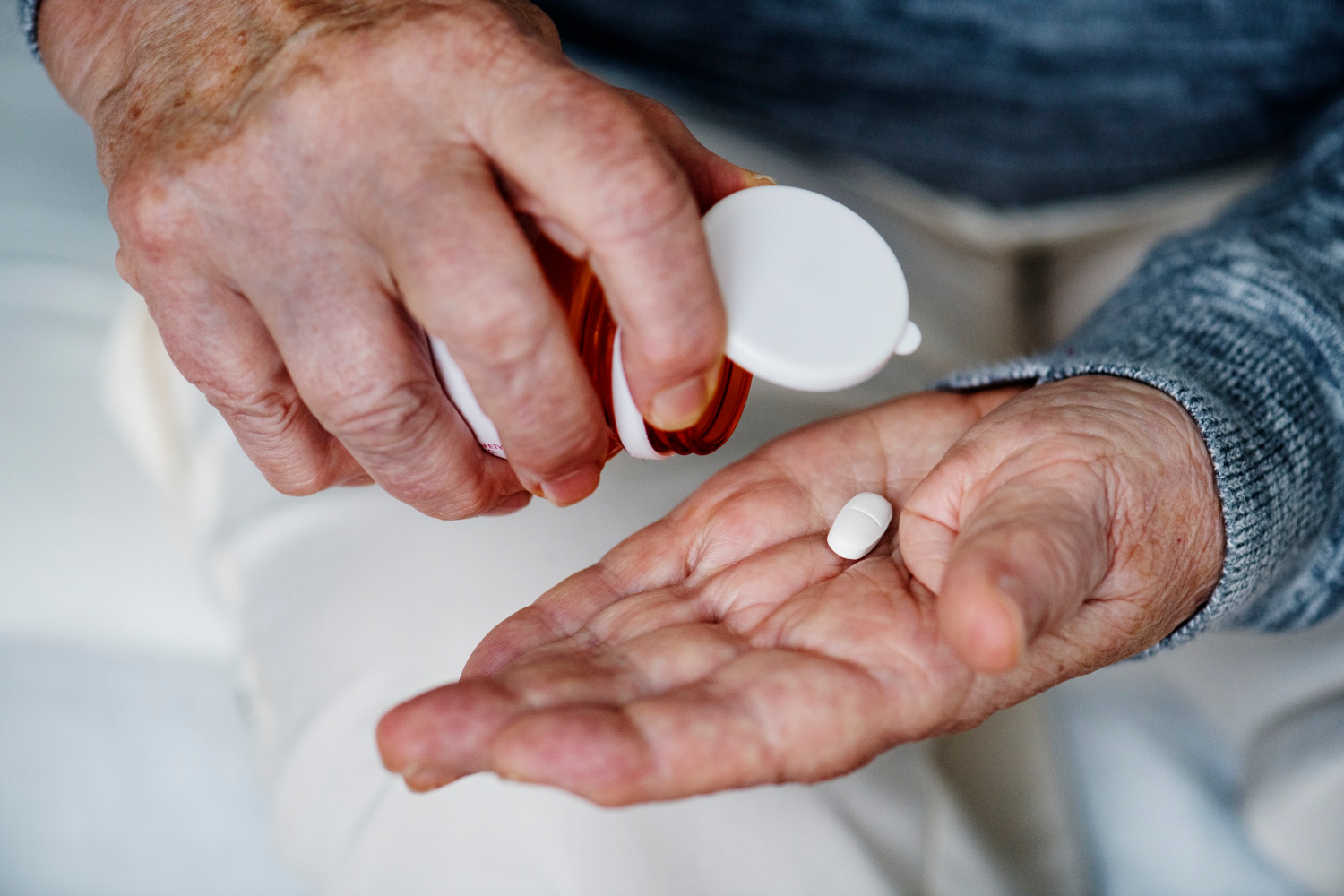
For over seventy years, a standard pill has been sitting in medicine cabinets across the world with one specific job: lowering blood sugar for patients with type 2 diabetes. But researchers now suspect we have severely underestimated it. A growing body of clinical evidence suggests that metformin—one of the most prescribed medications in history—might actually hold the power to slow down biological aging itself. While I am not writing prescriptions for anti-aging to healthy patients right now, the cellular science behind this decades-old drug points to a major shift in how we approach preventive medicine and human longevity.
A Closer Look at Metformin
I have prescribed metformin more times than I can count. If you or a family member has type 2 diabetes, you are likely familiar with it. It is a daily pill that has been in use since the 1950s and sits on the World Health Organization’s list of Essential Medicines. For decades, the medical community relied on this drug for one specific job. It lowers blood glucose levels.
But years of clinical observation revealed something unexpected. We noticed that patients taking metformin often fared better overall, and soon, large-scale epidemiological data confirmed what we were seeing in the clinic. Patients on metformin were not just controlling their blood sugar. They were experiencing fewer cardiovascular events and lower overall mortality. A major clinical trial called the UK Prospective Diabetes Study was among the first to report these broad protective benefits. This prompted researchers to ask a compelling question. Could this standard diabetes drug do more than we originally thought?
The answer is pointing to yes. Metformin is now at the center of geroscience, which is the field focused on the underlying biology of aging. Instead of treating individual conditions like heart disease or cognitive decline as they pop up, scientists are finding that metformin targets the shared biological root causes of these conditions. We are no longer just looking at a drug that manages diabetes. We are looking at a medication that might actually slow down biological aging itself.

How It Works Inside Your Cells
Metformin does more than lower blood glucose. At the molecular level, it interacts directly with your cellular machinery. The primary target is an enzyme called AMPK, which functions as your body’s central energy sensor. When metformin activates AMPK, it triggers a precise chain of biological events. A major outcome of this activation is the inhibition of a protein called mTOR.
Suppressing mTOR is highly beneficial for aging bodies. It stimulates autophagy, the process your cells use to clear out damaged components and recycle waste. Clearing this cellular debris reduces oxidative stress and improves insulin sensitivity. These specific actions directly combat what researchers refer to as the biological hallmarks of aging.
Metformin also alters how your genes behave over time. It increases the stability of an enzyme known as TET2. As we get older, the chemical tags on our DNA become irregular. This causes genomic instability that drives many age-related diseases. Metformin limits these abnormal patterns to maintain a more stable, youthful genetic profile. In a 2022 study, patients with type 2 diabetes taking metformin showed epigenetic markers indicating their biological age was up to 3.4 years younger than those not on the medication.
The drug’s effects even extend into the digestive tract. Metformin changes the composition of the gut microbiome by increasing bacteria that produce short-chain fatty acids. This biological shift lowers systemic inflammation, improves metabolic health, and strengthens the physical barrier of your intestines.
What the Data Actually Shows Right Now
While the cellular mechanisms are well-documented, we need to be clear about the limits of the current evidence. Most of the data highlighting metformin’s anti-aging properties comes from either animal models or observational studies of human patients who already have type 2 diabetes. We know that activating AMPK extends the lifespan of worms, and we have seen reduced tumor growth in mice taking the drug. However, applying these findings directly to healthy humans requires caution.
In human studies, researchers have primarily looked at the drug’s impact on specific disease endpoints—like cancer incidence, cardiovascular events, and mortality rates—rather than biological aging itself. The 2022 study noting a 3.4-year reduction in biological age was limited to just 32 diabetic patients. It shows an association, but it does not prove that metformin directly caused the delayed aging. It is difficult to isolate a single anti-aging effect in a population already managing a chronic metabolic disease.
To confirm whether metformin is truly a geroprotective agent for the general population, we need large-scale, randomized clinical trials focused specifically on healthy, non-diabetic adults. This is exactly what the Targeting Aging with Metformin (TAME) trial is designed to do. TAME will track 3,000 participants across 14 research institutions over six years. If trials like TAME can provide concrete data on how metformin influences aging biomarkers in healthy individuals, it could fundamentally shift how we approach preventive medicine and longevity.

The Bottom Line for Your Healthspan
The World Health Organization projects the global population over age 60 will double to 2.1 billion by 2050. This demographic shift carries massive socioeconomic consequences if those extra years are spent managing chronic illnesses. The true goal of aging research is not just lifespan, but healthspan. We want to extend the period of your life spent in good health, free from disabling disease.
If metformin effectively targets the shared biological root causes of aging, it will redefine how we approach preventive medicine. However, I know it is tempting to ask for a prescription today. Many patients read the term “wonder drug” and want immediate access. I do not prescribe metformin for anti-aging in healthy patients, and I strongly advise against seeking it out for that purpose right now. While the safety profile is well-established for treating diabetes, manipulating cellular energy and metabolic pathways in a healthy body without definitive clinical guidelines is premature.
We must wait for the data from upcoming trials to understand exactly how this drug affects specific aging biomarkers in non-diabetics. Until we have that hard evidence, your approach to aging should rely on the methods we already know work. You can naturally support many of the same biological pathways metformin targets by maintaining a healthy gut microbiome through your diet, keeping your blood glucose stable, and exercising regularly. I will be watching the research closely, and in a few years, standard medical advice might look very different.
My Personal RX on Taking Control of Your Biological Clock
While we wait for clinical trials to confirm metformin’s role in healthy adults, you do not have to sit idle. You can influence the exact biological pathways this drug targets—cellular energy, blood sugar regulation, and gut health—through your daily choices. True preventive medicine starts with how you treat your body right now.
You have the power to optimize your metabolism and slow down your biological clock organically. Here are my personal tips to help you protect your cellular health and extend your healthspan today.
- Prioritize Blood Sugar Balance: Keep your glucose levels stable to prevent the inflammation that drives cellular aging. Limit refined carbohydrates and focus on protein-rich, whole foods. For extra support, consider adding MetaBurn to your daily routine. It supports cardiometabolic function and helps maintain optimal blood sugar and cholesterol balance.
- Support Your Cellular Energy: Metformin works by interacting with your cells’ energy sensors. You can support this natural cellular machinery by staying active and taking CoQ10, a supplement designed for enhanced cellular energy production and physical vitality.
- Close Nutritional Gaps: Aging changes how efficiently your body absorbs nutrients. I recommend using the Core Four Bundle to help fill the most common nutrient gaps that start to show up after 40. It keeps your energy, digestion, and stress response steady and gives your body what it needs to function well now and stay strong over time.
- Nurture Your Gut Microbiome: As the research shows, longevity is closely tied to digestive health. Eat plenty of fiber-rich vegetables to feed the good bacteria that protect your intestinal barrier, lower systemic inflammation, and improve your overall metabolic health.
- Follow a Comprehensive Plan: True healthspan is not achieved through a single prescription. It requires a structured approach to how you live each day. Read Dr. Partha Nandi’s Protocol For Optimizing Your Health & Wellbeing for a powerful, comprehensive guide to living your best life by focusing on holistic health.
- Build and Maintain Muscle: Resistance training is one of the most effective, natural ways to improve insulin sensitivity and activate longevity pathways. You do not need to be a bodybuilder; regular bodyweight exercises or light lifting will protect your metabolic health as you age.
- Trigger Autophagy Naturally: You can stimulate cellular clean-up without medication. Fasting overnight for 12 to 14 hours gives your digestive system a rest and encourages your body to clear out damaged cellular components, just like the processes triggered by AMPK activation.
- Protect Your Sleep Quality: Your body repairs its DNA and stabilizes metabolic functions while you rest. Aim for seven to eight hours of quality sleep each night to keep your epigenetic markers stable and your metabolism functioning properly.
- Regulate Your Stress Response: High stress levels mean high cortisol, which elevates your blood sugar and accelerates aging. Implement a simple daily practice, like a ten-minute walk or focused breathing, to keep your nervous system in check.
- Stay Consistent: Longevity comes from the habits you practice daily, not the health fads you try for a week. Focus on making sustainable choices that protect your metabolism and cellular health over the long term.

Source:
- Manneh, J., Alasmar, M., & Hajj, N. El. (2026). Metformin at the convergence of aging and longevity. Aging, 18(1), 970–990. https://doi.org/10.18632/aging.206407