

Dietary guidelines have long painted red and processed meats as the primary culprits behind cancer risk, but a massive new study tracking over 450,000 adults for 14 years is forcing a critical reassessment of those rules. While the findings definitively link everyday processed foods like hot dogs and bacon to aggressive stomach and esophageal cancers, they also uncover an unexpected, gender-specific risk hidden within the exact white meats often recommended as safe alternatives. This vast dataset challenges decades of conventional dietary wisdom, proving that protecting gastrointestinal health requires a much closer look at exactly how we choose and prepare our daily proteins.
The Direct Link Between Processed Meat and Upper Gastrointestinal Cancers
We have known for years that diet influences cancer risk, but a massive new study published in the International Journal of Cancer provides concrete data on how meat consumption affects two specific areas: the stomach and the esophagus. These are not rare conditions. Stomach cancer is currently the fifth most common cancer worldwide. Esophageal cancer ranks eleventh, and cases of esophageal adenocarcinoma are actively climbing.
To get these answers, researchers analyzed dietary data and health outcomes from over 450,000 adults, tracking them for an average of 14 years. A dataset of this size gives us a very clear, reliable picture of what actually happens in the human body over time.
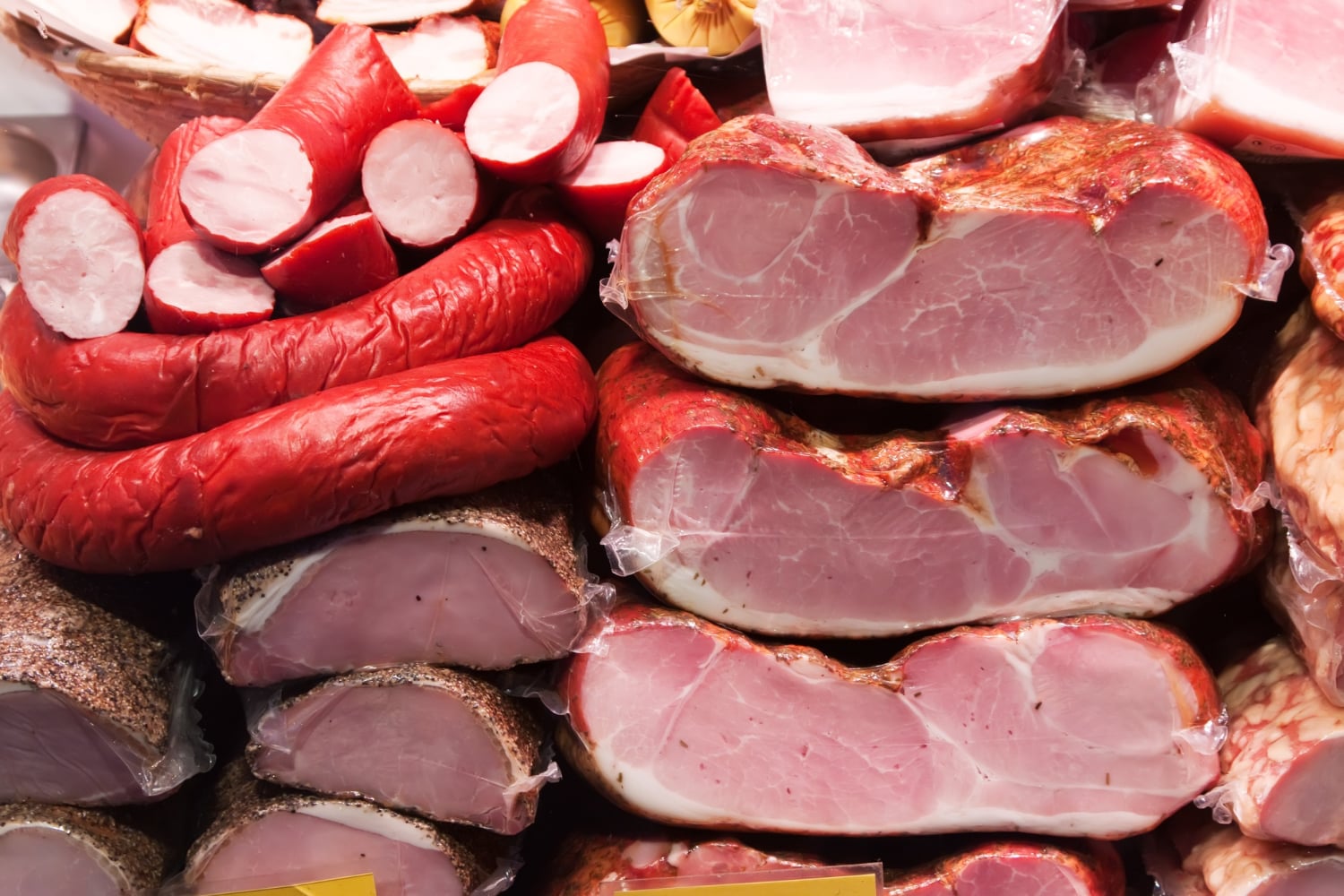
The most definitive finding from this research centers on processed meat. Consuming processed meat actively increases your risk of developing both gastric (stomach) cancer and esophageal adenocarcinoma. The numbers are highly specific. The researchers calculated that for every additional 30 grams of processed meat consumed daily, the risk of stomach cancer rises by 9 percent, and the risk of esophageal cancer jumps by 13 percent.
To put that into daily terms, 30 grams is roughly one slice of bacon or half a standard hot dog. Eating these foods occasionally is one thing, but making them a daily staple compounds your risk. We are looking at a direct dose-response relationship. The more processed meat you eat, the higher your risk goes for these aggressive upper gastrointestinal cancers.

The Unexpected Findings on Red vs. White Meat
When discussing cancer risk with patients, the conversation often turns immediately to red meat. For years, health guidelines have broadly categorized red and processed meats together as dietary hazards. However, this study took a more nuanced approach, analyzing unprocessed red meat and unprocessed white meat as distinct categories. The findings here run counter to some common assumptions.
First, let’s look at unprocessed red meat, like a fresh steak or a plain pork chop. In this massive dataset, researchers found no significant connection between consuming unprocessed red meat and these specific upper gastrointestinal cancers. While other studies link heavy red meat consumption to different issues, such as colon cancer, it does not appear to be a primary driver for gastric or esophageal adenocarcinomas.
The findings regarding white meat, typically considered the universally “safe” option, are even more surprising. We often encourage patients to swap beef for chicken or turkey to improve their cardiovascular health, but this data suggests white meat requires closer scrutiny regarding stomach cancer.
The researchers discovered a distinct risk associated with white meat consumption, but interestingly, it only appeared in women. According to the data, a 20-gram daily increase in white meat intake was associated with a 20 percent increased risk of developing cancer in the lower and middle parts of the stomach for female participants. The researchers found no such link in men.
Why These Meats Cause Harm
This study highlights several distinct biological pathways that explain these correlations, showing us that the danger comes from a combination of processing, preparation, and digestion.
For processed meats, the risk is largely tied to preservation methods. These products contain extremely high levels of salt. When you consume a lot of salt, it directly irritates the gastric mucosa, which is the protective lining of your stomach. This constant irritation triggers chronic inflammation and physical damage to the tissue. Over time, that continuous cellular stress creates an environment where cancerous mutations can easily take hold.
The cooking process also plays a critical role. Applying high heat to meat generates specific chemicals that are known to damage DNA and increase oxidative stress on your cells.
As for the unexpected risks associated with white meat, the authors suggest we look closely at protein metabolism. White meat is densely packed with protein. As your digestive system breaks these proteins down, the resulting chemical byproducts might alter your gut microbiota or interact negatively with your stomach lining. Combine this extensive protein breakdown with the chemical changes that occur when we grill or roast chicken, and we begin to understand the potential mechanisms behind these localized cancer risks. The researchers emphasize that these specific metabolic and bacterial shifts warrant further investigation.

How Much Weight Should We Give This Study?
Patients often ask me if they should actually trust the latest medical headline. With this particular study, my answer is yes. Tracking over 450,000 people for 14 years gives us an incredibly reliable picture of real-world health. It is rare to get data on this massive scale.
But we also have to be realistic about how this research works. The scientists only took a snapshot of what people were eating at the very beginning of the study. Think about your own habits. You probably do not eat the exact same meals today that you did a decade ago, which naturally introduces some variables into the final numbers. Furthermore, this type of research shows us strong patterns rather than proving absolute cause and effect.
Even with those moving parts, you should not brush these findings aside. When we add this new information to decades of previous research, the case against processed meat is closed. The authors of the study are already pushing for updated public health guidelines to reflect these numbers. They are also demanding more research into the exact ways white meat alters our stomach tissue.
The medical community now has the data. The next step is figuring out exactly what you should do with it.
My Personal RX on Protecting Your Stomach and Redefining Your Protein Habits
Reading about cancer risks can be alarming, but I want you to view this data as a tool, not a source of panic. Your daily dietary choices actively shape the health of your stomach and esophagus. You do not need a perfect diet, but you do need a smart one. By understanding how certain foods irritate your gastrointestinal tract, you can make immediate, practical changes to protect your cellular health over the long term.
The goal is to support your digestive system so it can do its job without chronic inflammation or tissue damage. Here are my personal recommendations to help you optimize your digestion and lower your risk of upper gastrointestinal cancers.
- Phase Out Processed Meats: Treat deli slices, bacon, and hot dogs as rare exceptions. The data is clear that daily consumption directly drives up gastric cancer risk. Replace them with fresh, whole-food alternatives.
- Lower Your Cooking Temperatures: High heat creates harmful chemical byproducts in meat. Switch from grilling and heavy charring to baking, steaming, or slow-cooking to reduce the oxidative stress on your digestive cells.
- Embrace Plant-Based Proteins: Give your stomach a break from digesting heavy animal proteins. Incorporate beans, lentils, and chickpeas into your weekly meals to provide high-quality nutrition without the inflammatory metabolic byproducts.
- Optimize Your Nutrient Breakdown: When you consume complex or protein-heavy meals, you want your body to process them efficiently. Taking Digestive Enzymes helps optimize your natural digestive process, providing relief from bloating and indigestion while ensuring maximum nutrient absorption.
- Reduce Hidden Sodium: Excessive salt acts as a direct irritant to your gastric mucosa. Check the labels on your pantry items and use fresh herbs, citrus, and spices to flavor your food instead of reaching for the salt shaker.
- Fortify Your Internal Environment: A healthy gut is the foundation of whole-body wellness. To comprehensively support your digestion and maintain a balanced gut microbiome, consider my Gut Brain Reset Bundle. It combines targeted formulas that work together to support digestion, nutrient absorption, and overall internal balance.
- Increase Your Fiber Intake: High-fiber foods like broccoli, Brussels sprouts, and leafy greens help keep waste moving through the digestive tract. This efficiency prevents your stomach and intestines from prolonged exposure to potential dietary toxins.
- Address Acid Reflux Immediately: Chronic heartburn is not just uncomfortable; it actively damages your esophageal tissue over time. If you experience frequent reflux, work with your doctor to find a permanent clinical solution rather than constantly masking the symptoms with over-the-counter antacids.
- Deepen Your Digestive Knowledge: Your digestive system dictates much of your overall physical and mental state. My book, Heal Your Gut, Save Your Brain, walks you through the exact science behind the gut-brain axis and provides a practical, holistic approach to improving your gut health and mental health from the inside out.
- Listen to Your Symptoms: Never ignore persistent digestive discomfort, unexplained weight loss, feeling full too quickly, or difficulty swallowing. Early detection is your absolute best defense against any gastrointestinal issue, so bring these ongoing symptoms to your physician right away.

Source:
- Bonet, C., Rizzolo‐Brime, L., Montañés, S., Hajji, M., Marques, C., Severi, G., B Schulze, M., Dahm, C. C., Tjønneland, A., Olsen, A., De Magistris, M. S., Pala, V., Catalano, A., Skeie, G., Brustad, M., Jensen, T. E., Sánchez, M. J., Guevara, M., Castro, N. C., … Jakszyn, P. (2026). Meat Intake and Risk of Gastric and Esophageal Adenocarcinoma in the European Prospective Investigation Into Cancer and Nutrition ( EPIC ) Study. International Journal of Cancer, 159(5), 1176–1187. https://doi.org/10.1002/ijc.70486