

We reach for a bottle of cooking oil almost every time we step into the kitchen, usually without giving it a second thought. Yet, this single ingredient that you likely consume every day plays a massive role in your long-term health and your body’s defense mechanisms. As a doctor, I constantly look at how our daily dietary habits influence disease, and the science is clear: the specific type of fat you consume directly affects your immune system’s ability to spot and fight off abnormal cells. Recent research shows that simply upgrading your default cooking oil to extra virgin olive oil can actively reduce internal inflammation and significantly lower your risk of developing cancer.
How Olive Oil Protects Your Cells
As a doctor, I often tell my patients that the benefits of olive oil come down to its basic ingredients. Most of the fat in olive oil is made up of monounsaturated fatty acids, or MUFAs. These are healthy fats that improve your blood work by raising your good cholesterol and lowering the bad kind. But the benefits of MUFAs go far beyond your heart.
Olive oil also contains high levels of antioxidants and polyphenols. These are compounds that directly reduce inflammation inside your body. We know from years of research that chronic, long-term inflammation creates an environment where tumors can start to grow. The MUFAs and antioxidants in olive oil prevent this by calming that inflammation and protecting your cells from damage. This keeps your immune system focused on its real job. Instead of fighting off internal irritation caused by a poor diet, your immune system is free to spot and destroy abnormal cells before they can turn into cancer.

Why Extra Virgin is the Only Kind You Need
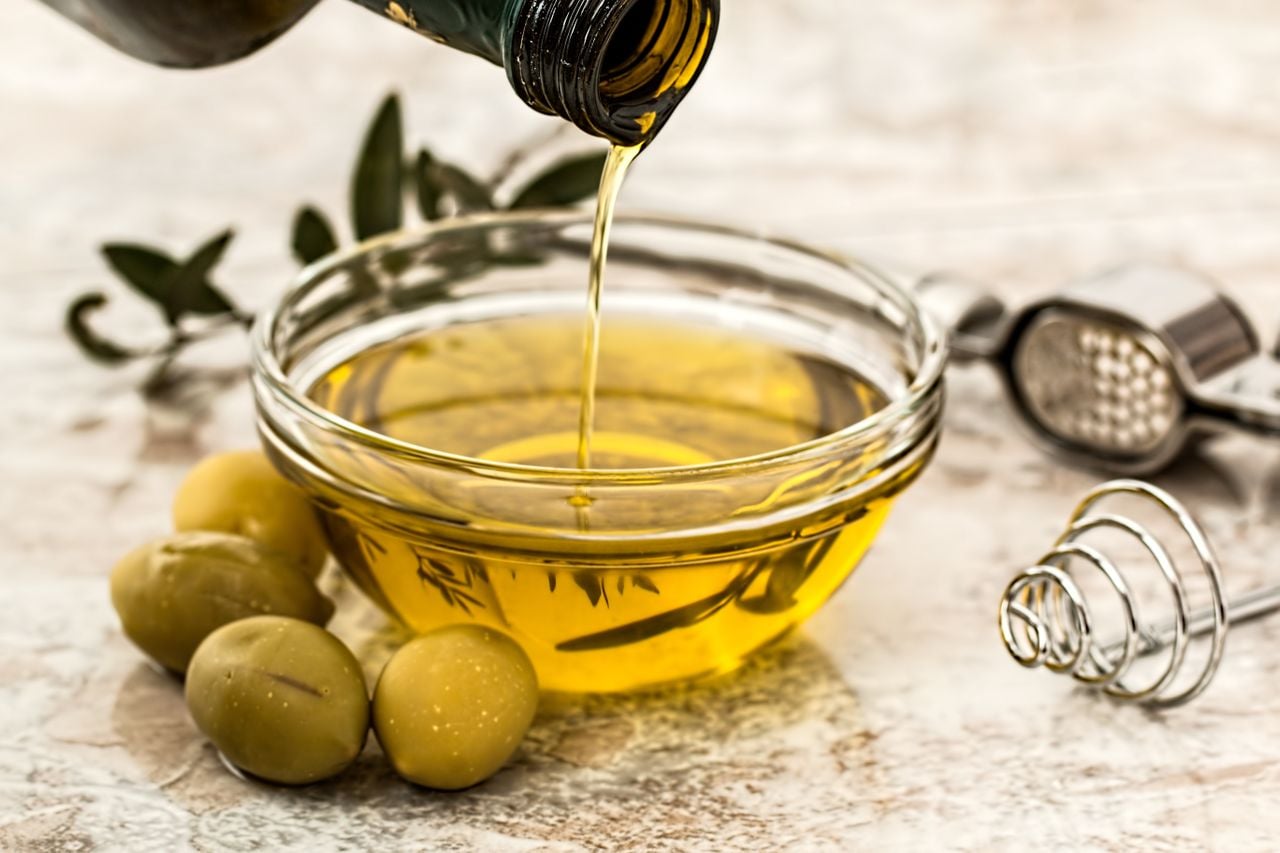
When I talk to my patients about adding olive oil to their diet, I make one thing very clear: not all olive oils are created equal. If you want to lower your cancer risk, extra virgin olive oil—often called EVOO—is the specific type you need to look for on the grocery shelf.
The medical benefit depends entirely on how the oil is made. Extra virgin olive oil goes through a single, simple processing step. Because it is minimally processed, it retains the highest possible levels of the protective polyphenols and antioxidants your cells need. Other options on the market, such as “virgin,” “light,” “pure,” or refined olive oils, go through much heavier processing. Each additional step in that manufacturing process strips away those beneficial compounds, leaving you with less nutritional value.
The health impact of choosing extra virgin olive oil is substantial. Studies show that consuming it daily is associated with a 31 percent decrease in your overall risk of developing cancer. You also do not need a lot of it to get this protection. The recommended daily amount of oil for an average adult is just under two tablespoons. By simply swapping out your usual butter or cooking fats for two tablespoons of extra virgin olive oil, you take a concrete step toward cancer prevention.
Heat, Oil, and Your Health
I always caution my patients that even the healthiest ingredients can become harmful if prepared incorrectly. While extra virgin olive oil is excellent for your body, the way you apply heat matters just as much as the oil you choose. Oncologists and nutrition experts universally advise against deep-frying foods or repeatedly reheating any cooking oil.
When you heat oil to very high temperatures, the chemical bonds of the fats actually break down and change structure. Reheating oil—even high-quality extra virgin olive oil—generates carcinogens. These are cancer-causing compounds like aldehydes and polycyclic aromatic hydrocarbons. Consuming these byproducts introduces oxidative stress and inflammation directly into your body. Furthermore, heavily fried foods are calorie-dense and contribute to obesity, which is a primary, well-established risk factor for multiple types of cancer.
To protect your health, stick to safer cooking methods. Baking, light sautéing, or using an air fryer are excellent ways to prepare your meals without breaking down the oil. If you want to get the absolute maximum benefit from your extra virgin olive oil, use it as a finishing oil. Simply drizzle it over a fresh salad or warm roasted vegetables right before you eat to preserve its full nutritional profile.

The Bigger Picture of Your Daily Diet
No single food can completely prevent cancer. Extra virgin olive oil is an excellent addition to your routine, but it works best as part of a healthy overall lifestyle. Research shows that your complete dietary pattern matters much more than any individual ingredient.
To eat with cancer prevention in mind, choose whole foods instead of ultra-processed items that come in boxes or bags. I recommend making three-quarters of your plate plant-based at every meal. This guarantees you get plenty of dietary fiber, which directly lowers your risk for several types of cancer, including colon and breast cancer. You can easily use your daily olive oil as a dressing to make those vegetables taste great.
It is also important to pay attention to how much you consume. I advise my patients to stop eating when they feel about 80 percent full. This practical habit helps you maintain a healthy weight and avoid obesity, which is a known driver of cancer. Finally, limit your alcohol intake, because even light drinking increases your risk for certain cancers. By pairing a plant-focused diet with these basic habits, you give your body the best possible chance to stay well.
My Personal RX on Building a Kitchen That Works for Your Long Term Health
The oil you cook with is one of the most overlooked variables in your daily diet. Most people give it no thought at all, defaulting to whatever’s on sale or whatever their parents used. But when you consider that most home cooked meals pass through cooking oil in some form, that single ingredient ends up shaping the fatty acid profile of an enormous share of what you actually eat. Small choices in the kitchen compound over years in ways that quietly influence your inflammatory baseline, your cardiovascular health, and even your cancer risk.
The good news is that upgrading your kitchen doesn’t require a full overhaul. A few thoughtful swaps can meaningfully shift the quality of what you put into your body every day. Below is a practical set of habits I encourage patients to build into how they cook and eat, using extra virgin olive oil as a starting point rather than a finish line.
- Make Extra Virgin Olive Oil Your Default: Replace butter, vegetable oil, canola, corn, and soybean oil for most everyday cooking and dressing. Keep a good bottle within reach on your counter so it becomes the first thing you grab.
- Save the Best Oil for Finishing: The most flavorful, polyphenol rich extra virgin olive oils lose some of their delicate compounds under high heat. Use a cheaper EVOO for cooking and save a premium bottle for drizzling over finished dishes, salads, and roasted vegetables where the flavor and antioxidants can shine.
- Round Out Your Healthy Fats with Omega-3s: Monounsaturated fats from olive oil are one pillar of a healthy fat profile, but your body also needs omega-3s (EPA and DHA) that olive oil doesn’t provide. Omega-3 Fish Oil delivers these essential fats in the doses your heart and brain rely on, complementing what you’re already getting from a Mediterranean style diet.
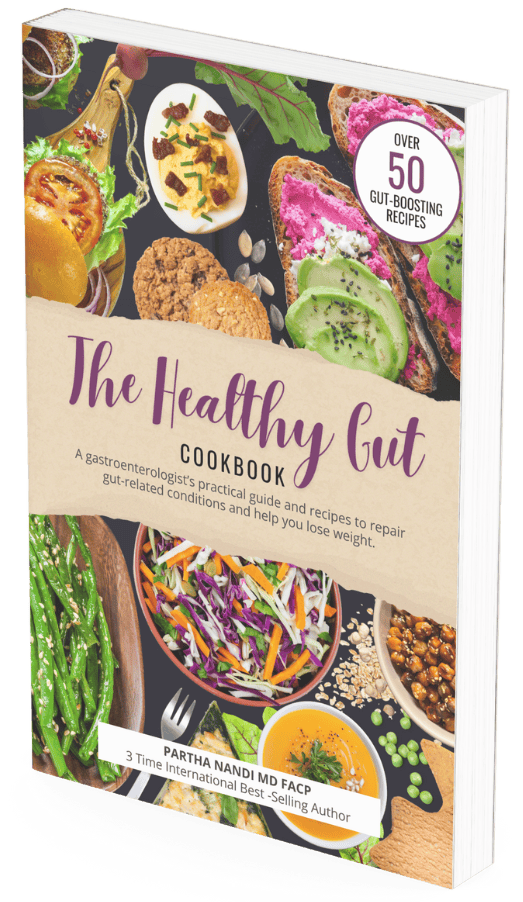
- Cook Meals That Actually Use Your Oil: Extra virgin olive oil works best when it’s paired with the whole foods it evolved alongside. The Healthy Gut Cookbook is my practical guide and recipe collection built around Mediterranean and gut supportive ingredients, giving you real dishes to actually cook with the good oil you just bought.
- Skip the Deep Fryer: No matter how good your oil is, deep frying and reheating oil creates compounds that increase oxidative stress and inflammation. Baking, roasting, sautéing, steaming, and air frying give you the browning and texture you want without the byproducts.
- Fill Three Quarters of Your Plate with Plants: Vegetables, fruits, legumes, whole grains, nuts, and seeds should dominate your meals. The fiber and phytonutrients they provide work synergistically with the healthy fats in olive oil to support long term health.
- Store Your Oil Correctly: Light and heat degrade olive oil’s beneficial compounds. Keep your bottle in a cool dark cabinet, not on the windowsill or next to the stove. Buy in smaller quantities so you finish it before it goes stale.
- Learn to Read Olive Oil Labels: Look for a specific harvest date, single origin sourcing, and a dark glass bottle. Terms like “light,” “pure,” or “extra light” indicate heavier processing and lower nutritional value. When possible, choose oils with third party certifications for authenticity.
- Practice Portion Awareness: Eating until you’re about 80 percent full is one of the simplest ways to maintain a healthy weight over time, which itself is one of the most established modifiable factors for cancer risk. Slow down at the table and pay attention to your body’s signals.
- Rethink Alcohol as a Regular Habit: Even moderate alcohol intake is now linked to increased cancer risk. If you drink, keep it occasional rather than daily, and know that this is one lever with clear evidence behind it.

Source:
- Zhang, Y., Xiang, Z., Xu, Y. et al. Oleic acid restores the impaired antitumor immunity of γδ-T cells induced by palmitic acid. Sig Transduct Target Ther 10, 209 (2025). https://doi.org/10.1038/s41392-025-02295-8