


Extra virgin olive oil has been a staple of the Mediterranean diet, a way of eating associated with longer lifespans, healthier hearts, and lower rates of chronic disease. While many of its benefits have been linked to its healthy fats and antioxidant content, researchers discovered something remarkable hiding within this golden liquid.
A naturally occurring compound in extra virgin olive oil appears to work in a way that is strikingly similar to ibuprofen, one of the world’s most commonly used pain relievers. This finding has helped scientists better understand why populations that consume olive oil regularly often experience lower levels of inflammation-related disease.
Although olive oil is not a replacement for medication, this discovery offers another fascinating glimpse into how food can influence health at a biochemical level.
Meet Oleocanthal: The Compound Behind the Burn
Have you ever noticed a peppery or slightly stinging sensation in the back of your throat after tasting high-quality extra virgin olive oil? That distinctive sensation is not a flaw. In fact, it may be a sign that the oil contains oleocanthal.
Researchers identified oleocanthal as a naturally occurring phenolic compound responsible for the throat irritation commonly associated with fresh extra virgin olive oil. What caught scientists’ attention was that the sensation felt remarkably similar to the throat irritation some people experience when taking liquid ibuprofen.
This observation sparked further investigation, leading researchers to compare how oleocanthal and ibuprofen affect the body.
The results revealed that both substances inhibit cyclooxygenase (COX) enzymes, which are involved in the inflammatory process. By reducing the activity of these enzymes, oleocanthal may help limit inflammation in a manner similar to ibuprofen, although at much lower concentrations.
Why Inflammation Matters More Than You Think
Inflammation is often misunderstood. Acute inflammation is a normal and necessary response that helps your body heal from injuries and infections. Problems arise when inflammation becomes chronic.
Long-term inflammation has been associated with a wide range of health concerns, including:
- Heart disease
- Type 2 diabetes
- Arthritis
- Alzheimer’s disease
- Certain cancers
- Metabolic disorders
Many lifestyle factors contribute to chronic inflammation, including poor diet, lack of exercise, chronic stress, inadequate sleep, and exposure to environmental toxins.
Foods that contain naturally occurring anti-inflammatory compounds may help support the body’s ability to maintain balance. This is one reason why researchers continue to study dietary patterns rich in olive oil and plant-based foods.

What Makes Extra Virgin Olive Oil Different?
Not all olive oils are created equal.
Extra virgin olive oil is produced through mechanical extraction without excessive heat or chemical processing. This helps preserve many of the beneficial compounds naturally present in olives, including oleocanthal and other polyphenols.
These compounds provide several potential benefits:
Antioxidant Support
Polyphenols help protect cells from oxidative stress caused by free radicals.
Cardiovascular Health
Research has linked extra virgin olive oil consumption with healthier cholesterol levels and improved cardiovascular function.
Brain Health
Emerging evidence suggests that olive oil’s antioxidant and anti-inflammatory properties may help support healthy cognitive function as we age.
Metabolic Health
Replacing highly processed fats with extra virgin olive oil may contribute to better blood sugar regulation and metabolic wellness.
The combination of healthy monounsaturated fats and plant compounds makes extra virgin olive oil one of the most studied foods in nutrition science.
Can Olive Oil Replace Ibuprofen?
This is where it’s important to separate scientific curiosity from practical reality.
Although oleocanthal and ibuprofen share some similarities in how they influence inflammatory pathways, olive oil should not be viewed as a substitute for prescribed medications or over-the-counter pain relievers.
The amount of oleocanthal obtained through normal dietary consumption is far lower than a therapeutic dose of ibuprofen. However, the benefit may come from long-term, consistent intake over many years.
Think of it this way: medications are often designed to provide immediate symptom relief, while dietary habits help shape the environment inside your body over time.
A diet rich in anti-inflammatory foods may support overall health and potentially reduce some of the factors that contribute to chronic disease.
Simple Ways to Add More Extra Virgin Olive Oil to Your Diet
If you’re looking to increase your intake of extra virgin olive oil, focus on replacing less healthy fats rather than simply adding more calories.
Here are a few practical ideas:
- Drizzle it over salads and vegetables.
- Use it as a dip for whole-grain bread.
- Add it to homemade dressings and sauces.
- Use it to finish soups and grain dishes.
- Replace butter with olive oil in certain recipes.
- Pair it with Mediterranean-inspired meals rich in vegetables, legumes, nuts, and fish.
When shopping, look for high-quality extra virgin olive oil stored in dark glass containers and protected from heat and sunlight.
My Personal RX on Using Food as Everyday Medicine
One of the most powerful lessons from nutrition science is that small daily choices add up over time. While there is no single food that can prevent disease or guarantee perfect health, certain foods consistently show up in dietary patterns linked to longevity and wellness. Extra virgin olive oil is one of those foods.
I encourage you to think beyond individual nutrients and focus on building meals that support your body every day. When you combine anti-inflammatory foods, healthy lifestyle habits, stress management, and regular movement, you create a strong foundation for long-term health.
Here are my personal prescriptions for making food work harder for your health:
- Choose extra virgin olive oil: Quality matters, so select authentic products that retain their natural polyphenols.
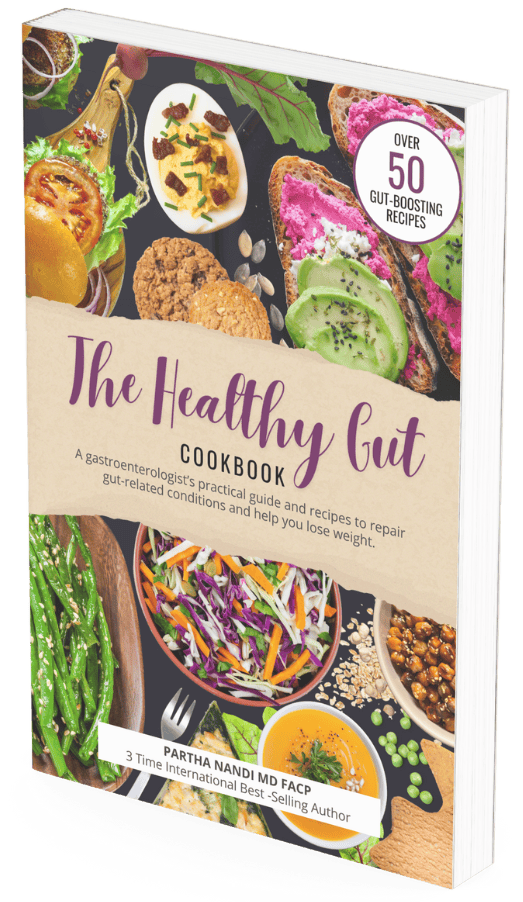
- Build meals around whole foods: My Healthy Gut Cookbook provides simple recipes that help support digestion while incorporating nutrient-dense ingredients into everyday meals.
- Fill your plate with colorful fruits and vegetables: The recipes in my Superfoods Cookbook can help you discover creative ways to include more antioxidant-rich foods that support a healthy inflammatory response.
- Eat with intention instead of rushing through meals: Practicing mindful eating can improve digestion, satisfaction, and your relationship with food. My Mindful Meals resources offer practical strategies for creating healthier eating habits.
- Prioritize gut health: A healthy gut supports immune function, metabolic balance, and overall wellness. Focus on fiber-rich foods, fermented foods, and diverse plant-based ingredients.
- Replace highly processed fats with healthier alternatives: Small substitutions made consistently often produce meaningful benefits over time.
- Pair healthy eating with regular physical activity: Nutrition and movement work best when combined.
- Manage stress proactively: Chronic stress can fuel inflammation throughout the body. Make time for relaxation, sleep, and activities that bring you joy.
The goal isn’t to find a miracle food. It’s to create a lifestyle that gives your body the support it needs to function at its best.
Source:
- Beauchamp, G. K., Keast, R. S. J., Morel, D., Lin, J., Pika, J., Han, Q., Lee, C. H., Smith, A. B., & Breslin, P. A. S. (2005). Phytochemistry: Ibuprofen-like activity in extra-virgin olive oil. Nature, 437(7055), 45–46. https://doi.org/10.1038/437045a