


How Your Gut Health Affects Your Whole Body
Heart, kidneys and so much more!
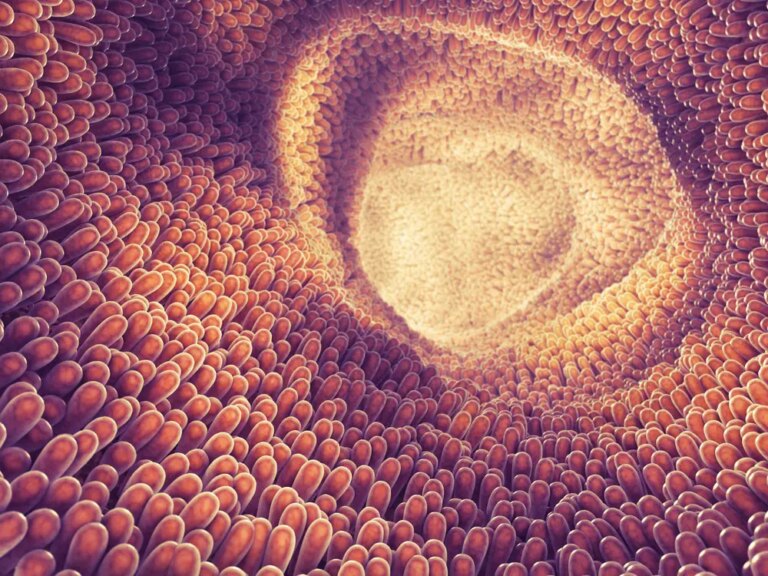
Gut health is the condition of your gut, the largest site of immune function in the body. It’s the bacteria and health of your digestive tract. The best way to understand gut health is to think about it like this: You have a garden in your backyard. That garden is your gut. If you feed that garden the right things, it will grow healthy vegetables. If you don’t, it will grow weeds. Gut health is essential for your overall health, and many health issues can be traced back to a poor gut. You might not realize how important your gut health is until something goes wrong. Poor gut health can lead to a variety of symptoms like bloating, gas, and stomach pain. However, it can also cause problems like anxiety, depression, and other mental health issues.
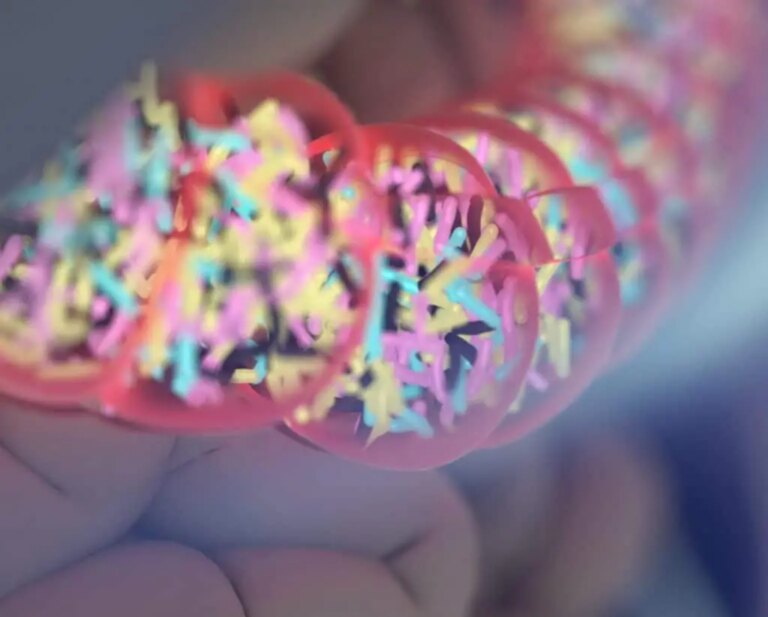
The human microbiome is the collective genomes of all of the microorganisms that live in and on our bodies. These microbes can be found on almost every surface of our bodies, from the soles of our feet to the top of our heads. Scientists estimate that the average person has around 10 trillion bacteria in their microbiome, which is about 10 times the number of cells in the human body. There are many reasons why you should care about your microbiome. It has been linked to everything from fighting off certain diseases to improving your sleep. In this article, we will explore how to boost your microbiome and improve your health.
The microbiome is the collection of all the bacteria, viruses, and other microbes that live on and in our bodies. In addition to aiding in digestion, these tiny organisms also have a profound impact on our overall health. An imbalance in the microbiome can lead to a variety of problems, including digestive issues, weight gain, allergies, and even mental health issues such as anxiety and depression. Research suggests that diet plays a significant role in shaping and maintaining a healthy microbiome, and many diet plans are now designed to promote diversity and balance.
Heart, kidneys and so much more!
Scientists are targeting imbalances in intestinal bacteria, known as the microbiome, to find a new way to fight food allergies. Gut bacteria could help people reset their immune systems and avoid severe allergic reactions to food. It is what Cathryn Nagler, an immunologist at the University of Chicago, says. (1) Microbiome and Allergies in Mice Nagler and…
Gut microbes are a community of bacteria, viruses, and fungi living in your gut. A recent study shows gut bacteria could play a role in sleep patterns. (1,2) The Relationship Between Gut Health And Sleep The study’s lead author, Professor Masashi Yanagisawa of the University of Tsukuba in Japan, suggests gut bacteria help create critical chemical messengers…
This is a sponsored article on behalf of Seed. All opinions are my own. Your body is home to a community of microorganisms that live in the gut. These diverse bacteria, fungi, viruses, and protozoa play many vital roles in the overall healthy functioning of the body. When this system of microbes is out of…
Your gastrointestinal tract is filled with bacteria, protozoa, viruses, and fungi called the “gut microbiome.” Although this sounds strange and even a little unhealthy, your gut microbiome lives throughout your intestinal tract to keep you healthy. Interestingly, a recent study has tied the health of the gut microbiome in children to common chemicals found in their homes….
Did you know that your gut is home to trillions of microbes? This bacteria is needed to assist with digestion, but it is also believed to contribute to our weight. Here’s how your gut bacteria can influence your weight. (1) Microbiota: Link Between Gut Health & Weight? We all have microbes in our bodies, including bacterial,…
Sleepless in the U.S. It is an unfortunate fact that sleep disorders are common in the U.S. At least 10% of people have a sleep disorder that is “clinically significant,” with insomnia being the most common. Sleep apnea, restless legs syndrome, and insomnia are also common (RLS). Breaking this issue down by sex, one study…
The next time you have a “gut feeling,” it might be good for your health to pay attention. The microbiome in our gut is connected to our brain. Scientists call our gut “the second brain.” The gut and the brain constantly communicate with one another by sending chemical signals along what is called the gut-brain…
Microbiologists are hoping to use gut bacteria to find treatments for disorders of the brain and nervous system. Russian startup company Holobiome wishes to use the growing evidence linking gut bacteria to conditions ranging from autism to anxiety to lead them toward advancements in treatments. (1) Psychobiome Studies Target Many Conditions In addition to depression…
No products in the cart.
*These statements have not been evaluated by the Food and Drug Administration. This product is not intended to diagnose, treat, cure, or prevent any disease.
You'll have immediate access to life-transforming information including gut healthy recipes for those suffering specifically from SIBO, IBS, IBD and GERD.