


You’ve been rinsing your apples under tap water for years, confident you’re washing away pesticides and dirt. Meanwhile, something far more effective sits in your pantry, costing pennies and outperforming expensive produce sprays. Scientists at a major university tested three different washing methods on pesticide-coated apples and found results that surprised even the researchers themselves. One simple household ingredient removed nearly all pesticide residue in just 15 minutes, while standard methods left harmful chemicals behind. What you discover might change how you prepare fruits and vegetables forever.
What Researchers Found When They Tested Different Washing Methods
Scientists at the University of Massachusetts set out to answer a question many consumers ask: What actually removes pesticides from produce? Dr. Lili He and her research team applied two commonly used pesticides to organic Gala apples, then tested three washing methods against each other.
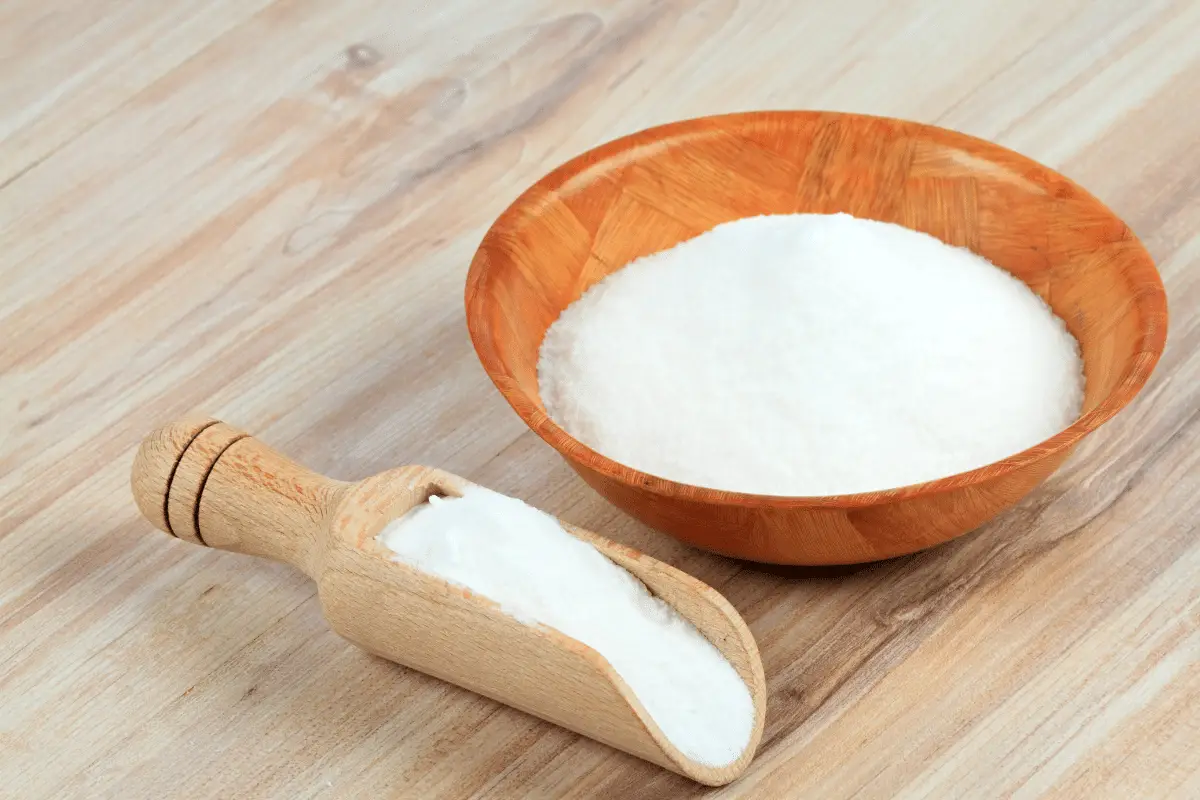
First, they tried plain tap water, the method most people use at home. Next, they tested a commercial bleach solution that farms and food processors often use to clean produce. Finally, they mixed one percent baking soda with water to create a simple homemade solution.
Results revealed something unexpected. Plain tap water removed some pesticide residue but left much of it behind. Commercial bleach performed only slightly better despite being the standard method used in food processing. Baking soda solution crushed both competitors, removing pesticide residue far more effectively than either alternative.
After just 12 minutes of gentle scrubbing with a baking soda solution, 80 percent of thiabendazole disappeared from apple surfaces. At the 15-minute mark, 96 percent of phosmet vanished. Both chemicals rank among the most commonly applied pesticides in modern agriculture.
Researchers used sophisticated electronic mapping technology to track exactly where pesticides remained on and inside the apples. Surface-enhanced Raman scattering allowed them to visualize pesticide molecules at the surface level, while liquid chromatography mass spectrometry measured chemicals that penetrated deeper into the fruit.
Dr. He explained that baking soda works better than other washing methods because of its alkaline pH. When pesticide molecules encounter this alkaline environment, they break down into smaller, harmless fragments. Regular water lacks this chemical action and simply rinses away surface dirt.

Why Pesticides Stick to Your Produce
Modern agriculture relies on pesticides to protect crops from insects, bacteria, and mold. Without these chemicals, farmers would lose significant portions of their harvests to pests and disease. Higher crop yields mean more affordable produce reaches grocery stores.
Pesticide application happens at different stages of growth. Some chemicals get sprayed on leaves and fruit during the growing season. Others are applied after harvest to prevent spoilage during transportation and storage. Both types leave residue on the surfaces of fruits and vegetables you bring home.
Two pesticides tested in this study serve different purposes. Thiabendazole acts as a systemic pesticide, meaning it penetrates plant tissues and moves through the plant’s vascular system. Farmers apply it to prevent fungal diseases and extend shelf life after harvest.
Phosmet works as a non-systemic pesticide that stays primarily on the surface. Growers use it to control insects that damage fruit. Because it doesn’t move through plant tissues like thiabendazole, it remains easier to wash away.
Research revealed that 20 percent of applied thiabendazole penetrated the apples during a 24-hour exposure period. Only 4.4 percent of phosmet worked its way beneath the surface during that same timeframe. Thiabendazole penetrated four times deeper into the apple peel than phosmet did.
Once pesticides move beneath the surface, washing becomes less effective. Even the powerful baking soda solution couldn’t remove chemicals that had already penetrated the fruit. Peeling removes these internalized pesticides but also eliminates beneficial nutrients and fiber found in the peel.
How to Use Baking Soda to Clean Your Produce
Creating an effective pesticide-removing solution requires just two ingredients you already have at home. Mix one tablespoon of baking soda with two cups of water. Stir until the baking soda dissolves completely.
Place your fruits or vegetables in a large bowl or clean sink. Pour the baking soda solution over them until they’re fully submerged. Let them soak for at least 12 to 15 minutes to allow the alkaline solution time to break down pesticide molecules.
After soaking, gently scrub each piece of produce with your hands or a soft vegetable brush. Pay special attention to areas where pesticides might collect, like the stem end of apples or the crevices of strawberries. Scrubbing helps dislodge residue that the baking soda has already broken down.
Rinse everything thoroughly under running tap water to wash away loosened pesticides and any remaining baking soda. Pat dry with a clean towel or paper towels. Your produce is now ready to eat or store.
Some fruits and vegetables need extra attention. Items with thick skin benefit from scrubbing with a vegetable brush. Leafy greens like lettuce and cabbage should have their outer leaves removed and discarded before washing, as these outer layers tend to collect more pesticides.
Timing matters when washing produce. Don’t wash fruits and vegetables immediately after bringing them home from the store. Moisture creates an environment where bacteria thrive and speeds up spoilage. Instead, wash produce right before you plan to eat or cook it.
Which Fruits and Vegetables Need the Most Attention
Environmental Working Group publishes an annual list ranking produce by pesticide contamination levels. Their Dirty Dozen list identifies fruits and vegetables most likely to contain pesticide residue. Strawberries, spinach, nectarines, apples, and peaches top the 2017 list.
Apples consistently rank high on contamination lists because farmers spray them multiple times during the growing season and again after harvest. Pesticides help prevent fungal diseases and extend shelf life, but they leave behind residue that washing with water alone cannot remove.
Berries present special challenges. Strawberries have a porous surface that allows pesticides to penetrate more easily. Their delicate structure makes them difficult to scrub without damaging the fruit. Gentle soaking in a baking soda solution works better than aggressive scrubbing for these fragile items.
Leafy greens collect pesticides on their large surface areas and in the crevices between leaves. Spinach, kale, and lettuce require thorough washing because pesticides can hide in places water alone cannot reach. Separate leaves and soak them individually for the best results.
Clean Fifteen produce items show much lower pesticide levels. Sweet corn, avocados, pineapples, cabbage, and onions made the top five in 2017. Foods with thick peels that you remove before eating naturally have less pesticide exposure. Still, washing them before cutting prevents pesticides on the exterior from transferring to the edible portions.
Stone fruits like peaches and nectarines have fuzzy skins that trap pesticides. Extra scrubbing helps remove residue from these textured surfaces. Apricots, plums, and cherries need similar attention.
What Scientists Say About Pesticide Safety
Government agencies monitor pesticide levels in food through regular testing programs. Data from the U.S. Department of Agriculture’s Pesticide Data Program shows that more than 99 percent of tested products had pesticide residue below Environmental Protection Agency tolerance levels.
Dr. Lauri Wright, a public health professor at the University of South Florida, says pesticides present on fruits and vegetables pose minimal health risk because actual pesticide levels remain low. Close monitoring ensures safety standards are maintained. She argues that the benefits of pesticide use outweigh potential risks because they result in higher crop yields and more affordable produce.
Pesticides help prevent crop losses from destructive pests. Greater harvests mean wider availability of fruits and vegetables at lower prices. Making produce more affordable encourages people to eat more of these health-promoting foods.
However, concerns persist about potential long-term health effects from chronic pesticide exposure. Some studies link pesticide exposure to various health problems, though most research focuses on agricultural workers who face much higher exposure levels than consumers.
Wright points out that unwashed produce poses a bigger immediate threat from foodborne illness than from pesticides. Bacteria like E. coli present a more pressing danger to consumers. Proper washing removes both pesticides and harmful bacteria.
Kristin Kirkpatrick, a wellness manager at Cleveland Clinic Wellness Institute, notes that many patients worry about pesticide exposure and often buy expensive produce sprays. Baking soda solution offers an effective and affordable alternative to commercial products.
Experts agree that fear of pesticides shouldn’t discourage people from eating fruits and vegetables. These foods provide essential nutrients and fiber that protect against obesity, heart disease, cancer, and other chronic conditions. The benefits of eating produce far outweigh any potential risks from trace pesticide residue.

Limitations of Washing and When to Choose Organic
Baking soda solution works exceptionally well at removing surface pesticides, but it cannot eliminate chemicals that have already penetrated beneath the peel. Effectiveness diminishes as pesticides work deeper into fruit tissues. Soaking times longer than 15 minutes don’t significantly improve results.
Systemic pesticides like thiabendazole move through plant tissues by design. These chemicals protect plants from the inside out, making them impossible to wash away completely once absorbed. Research showed that 20 percent of thiabendazole remained inside apples even after thorough washing.
Peeling removes pesticides that have penetrated the peel, but also strips away valuable nutrients. Apple peels contain high concentrations of fiber, vitamins, and antioxidants that benefit health. Deciding whether to peel depends on balancing pesticide concerns against nutritional loss.
Choosing organic produce eliminates synthetic pesticides from the equation. Organic farming uses natural pest control methods and approved organic pesticides, which break down more quickly than conventional chemicals. Organic certification standards prohibit most synthetic pesticides.
Cost considerations make buying all organic produce impractical for many families. Strategic shopping helps maximize benefits while controlling expenses. Purchase organic versions of the Dirty Dozen items that test highest for pesticides. Save money by buying conventional Clean Fifteen produce with naturally lower pesticide levels.
Growing your own fruits and vegetables gives you complete control over pesticide use. Home gardens allow you to choose organic methods or minimal pesticide application. Even a small patio container garden can produce pesticide-free herbs, tomatoes, and peppers.
My Personal RX on Reducing Pesticide Exposure
Pesticides serve an important role in modern agriculture, but reducing your exposure makes good sense for long-term health. Simple steps in your kitchen can dramatically decrease the amount of pesticide residue you consume daily. Baking soda washing represents just one tool in a bigger strategy for protecting your family from unnecessary chemical exposure. You need to think about where your food comes from, how you prepare it, and what you can do to minimize toxins entering your body. Small changes add up to big differences over time. Start with the most contaminated produce and work your way through your entire shopping list.
- Make Baking Soda Washing a Kitchen Habit: Keep a jar of baking soda next to your sink as a visual reminder to wash produce properly. Mix one tablespoon with two cups of water, soak fruits and vegetables for 12 to 15 minutes, then scrub gently and rinse thoroughly before eating or cooking.
- Prioritize Organic for the Dirty Dozen: Spend your organic food budget wisely by focusing on produce that tests highest for pesticide residue. Strawberries, spinach, apples, peaches, and nectarines consistently show elevated contamination levels and deserve organic priority.
- Scrub with a Vegetable Brush for Thick-Skinned Produce: Potatoes, carrots, cucumbers, and other vegetables with firm skins benefit from physical scrubbing. A dedicated vegetable brush removes more pesticide residue than hands alone, especially when combined with a baking soda solution.
- Remove Outer Leaves from Leafy Greens: Cabbage, lettuce, and other leafy vegetables collect pesticides on their outermost layers. Discard these outer leaves before washing, then separate the remaining leaves and soak them individually in a baking soda solution for thorough cleaning.
- Support Detoxification with Quality Sleep: Your body processes and eliminates environmental toxins during deep sleep cycles. Sleep Max contains magnesium, GABA, 5-HTP, and taurine that promote restorative REM sleep, giving your liver and kidneys optimal time to clear pesticides and other chemicals from your system.
- Fill Nutrient Gaps That Age Creates: After 40, your body needs extra nutritional support to handle environmental toxins effectively. The 7 Supplements You Can’t Live Without is a free guide explaining which nutrients decline with age, the essential supplements that restore optimal levels, and how to identify high-quality products that actually work.
- Choose Frozen Organic When Fresh Gets Expensive: Frozen organic fruits and vegetables often cost less than fresh organic options and get frozen at peak ripeness, locking in nutrients. Stock your freezer with organic berries, spinach, and other high-pesticide produce when fresh versions strain your budget.
- Grow Your Own High-Use Herbs and Vegetables: Herbs, tomatoes, lettuce, and peppers grow easily in containers or small garden spaces. Growing even a few items yourself eliminates pesticide exposure for foods you eat most often while reconnecting you with where your food comes from.
Source:
Yang, T., Doherty, J., Zhao, B., Kinchla, A. J., Clark, J. M., & He, L. (2017). Effectiveness of Commercial and Homemade Washing Agents in Removing Pesticide Residues on and in Apples. Journal of Agricultural and Food Chemistry, 65(44), 9744–9752. https://doi.org/10.1021/acs.jafc.7b03118







 Subscribe to Ask Dr. Nandi YouTube Channel