

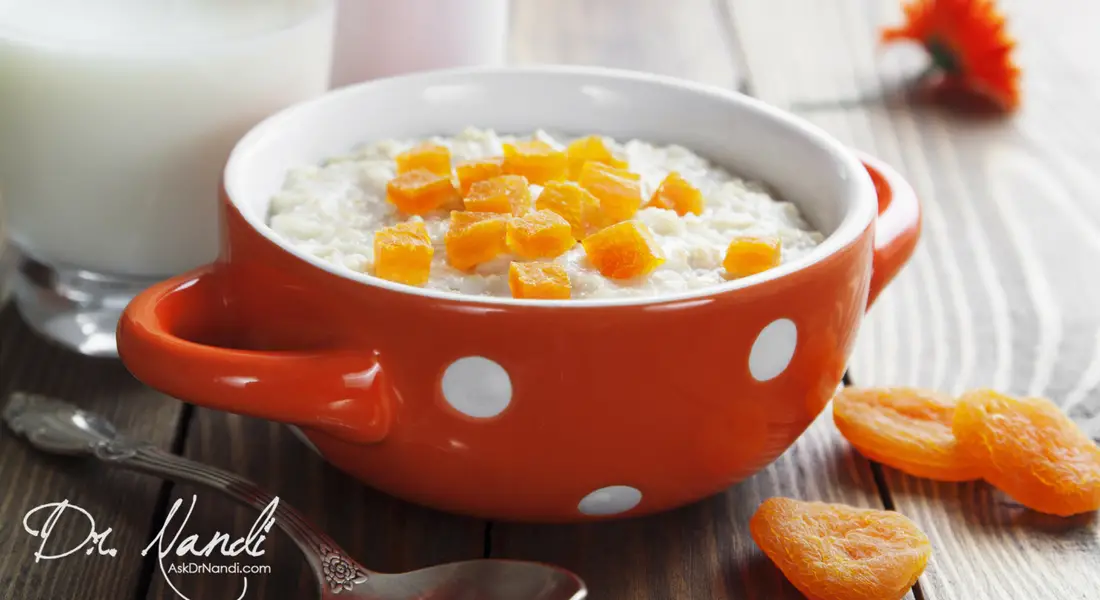
What if two days of eating one of the cheapest, most common foods on the planet could do what many people need medication to achieve? A new clinical trial from the University of Bonn just showed that a short, intensive oatmeal diet reduced harmful LDL cholesterol by 10% in people with metabolic syndrome. Participants also lost weight and lowered their blood pressure. But here is what made the researchers sit up: the benefits did not disappear when the oatmeal stopped. Six weeks later, cholesterol levels remained below where they started. Something had changed inside the body, and the answer was hiding in the gut.
An Old Remedy That Medicine Forgot
Oats are not new to the medical world. Over a century ago, German physician Carl von Noorden used oat-based diets to treat patients with diabetes. He reported strong results, and the approach gained traction in clinical practice.
Then modern medicine moved on. Effective medications for diabetes and cholesterol became available, and oat therapy faded into the background. Marie-Christine Simon, a junior professor at the University of Bonn’s Institute of Nutritional and Food Science, explained that this method has been almost completely overlooked in recent decades because of how well pharmaceutical options have performed.
But Simon and her team suspected that oats still had something powerful to offer, especially for people with metabolic syndrome, a cluster of conditions that includes excess body weight, high blood pressure, elevated blood sugar, and abnormal blood lipid levels. Metabolic syndrome affects up to 31% of the global population and raises the risk for type 2 diabetes and cardiovascular disease. So they designed a rigorous clinical trial and published the results in Nature Communications.
What 300 Grams of Oatmeal Per Day Actually Did
A total of 68 people took part in the research. In the main short-term study, 32 participants completed the trial. One group ate boiled oatmeal three times a day for two days, consuming 300 grams of oat flakes daily with only small amounts of fruit or vegetables added. No salt, sugar, or sweeteners were allowed. Calorie intake dropped to roughly half of their normal amount.
A control group also cut calories by a similar amount but ate no oats. Both groups saw some benefits from eating fewer calories. But the improvements were far greater in the oat group.
LDL cholesterol, the type most linked to heart disease, fell by 10%. Total cholesterol dropped meaningfully as well. Participants lost an average of two kilograms and saw a slight decrease in blood pressure.
Simon stressed that a 10% reduction in LDL cholesterol is a substantial result, though not entirely comparable to what modern statin drugs can achieve. Statins produce average LDL reductions of 15% to 58%, depending on the drug and dose. But those require continuous daily use. Two days of oatmeal is a very different commitment.
Why LDL Cholesterol Matters So Much
High LDL cholesterol is one of the biggest risk factors for heart attacks and strokes. When LDL levels climb too high, cholesterol builds up inside artery walls and forms plaques. Over time, these plaques narrow blood vessels and restrict blood flow.
Plaques can also rupture during physical strain, emotional stress, or blood pressure spikes. When that happens, a blood clot can form and block blood flow entirely. If that clot reaches the heart, it triggers a heart attack. If it reaches the brain, it causes a stroke.
Bringing LDL levels down, even modestly, reduces the risk of both events. A 10% drop from a two-day dietary change, with effects lasting weeks, represents a meaningful reduction in cardiovascular risk, especially for people who are not yet on medication or who want to complement their existing treatment.
Six Weeks Later, the Benefits Were Still Visible
Perhaps the most surprising finding was how long the cholesterol reduction lasted. After the two-day oat diet ended, participants returned to their normal eating habits. No oats. No special restrictions. Just their regular Western diet.
Yet when researchers measured their cholesterol two, four, and six weeks later, levels remained below baseline. Something in the body had shifted during those 48 hours, and the effect persisted long after the oats were gone.
Simon suggested that a short-term oat-based diet repeated at regular intervals could be a well-tolerated way to keep cholesterol within a healthy range and help prevent diabetes.
Your Gut Bacteria Are Doing the Heavy Lifting
To understand why two days of oats could produce such lasting results, the research team examined what was happening inside the gut. What they found pointed to the microbiome as a central player.
Linda Klümpen, the study’s lead author, explained that oatmeal consumption increased the number of certain beneficial bacteria in the gut. One genus in particular, Erysipelotrichaceae UCG-003 (a bacterium associated with healthy aging), rose sharply in the oat group.
These gut bacteria broke down compounds in the oats and produced metabolic byproducts called phenolic metabolites. One of the most important was ferulic acid, along with its microbial derivative, dihydroferulic acid (DHFA). Animal studies had already suggested that ferulic acid has a positive effect on cholesterol metabolism. Now, for the first time, this clinical trial showed similar associations in humans.
In lab experiments, DHFA directly reduced cholesterol incorporation into human blood cells, providing a clear biological explanation for how gut bacteria help translate oat consumption into lower cholesterol levels.
At the same time, the oat diet reduced certain microbes that produce compounds linked to insulin resistance. One such compound, imidazole propionate, is a microbial byproduct of the amino acid histidine and is known to impair glucose tolerance and insulin signaling. By shifting the microbial balance away from these harmful producers, the oat diet appeared to create a healthier metabolic environment overall.
A Biological “Reset” in Just Two Days
What makes this study stand out is the mechanism it identified. For years, scientists attributed oats’ cholesterol-lowering power mainly to beta-glucan, a soluble fiber that forms a thick gel in the gut and reduces cholesterol absorption. Beta-glucan is the reason oats carry an approved health claim for heart health on food labels around the world.
But this research showed that beta-glucan is only part of the story. Phenolic compounds produced by gut bacteria during oat digestion appear to be driving factors behind the cholesterol reduction. Changes in the plasma levels of these compounds predicted nearly 20% of the variation in LDL cholesterol levels, a strong signal for a dietary intervention.
In other words, your gut bacteria are actively transforming oats into cholesterol-lowering agents. Without the right microbial community, oats alone may not produce the same benefits. And a concentrated, short-term dose of oats appears to reshape that microbial community far more effectively than a small daily serving.
Why a Small Daily Bowl Was Not Enough
Researchers also tested a longer, gentler approach. In a separate six-week phase, participants ate 80 grams of oatmeal per day (about one bowl) while continuing their normal diet. No calorie restriction was applied.
Results were modest. Plasma ferulic acid levels rose, but cholesterol and other metabolic markers remained largely stable. A single daily oat meal, eaten within the context of a regular Western diet, did not produce the same dramatic effects as the intensive two-day protocol.
Simon explained that the lower dose likely did not deliver enough bioactive compounds to overcome the variability introduced by each person’s different dietary habits and gut microbiome composition. Individual differences in how people respond to oats may matter more when intake is moderate.
That does not mean a daily bowl of oatmeal is useless. It stabilized metabolic markers and increased beneficial phenolic compounds in the blood. But for a measurable cholesterol reduction, the high-dose, short-term approach produced clearly superior results.
A Cost-Effective Tool for a Growing Problem
Metabolic syndrome is one of the biggest public health challenges worldwide. Rates have climbed sharply in recent decades, and the associated risks of heart disease, stroke, and diabetes carry enormous human and economic costs.
Oats are inexpensive, widely available, and sustainable. A two-day intensive oat diet requires no prescription, no special equipment, and no exotic ingredients. If repeating the protocol every six weeks produces a lasting preventive effect (a question Simon’s team plans to answer next), it could become one of the simplest and most affordable strategies for managing metabolic health at a population level.
For individuals already taking cholesterol medication, a periodic oat intervention could serve as a complementary approach. For those not yet on medication, it could delay or reduce the need for pharmaceutical treatment. Either way, two days of oatmeal is a remarkably small investment for a 10% drop in LDL cholesterol.
My Personal RX on Using Oats to Protect Your Heart and Gut
Your gut bacteria play a direct role in how your body handles cholesterol, blood sugar, and inflammation. Feeding them the right fuel can shift your metabolic health in a matter of days, as this oat study shows. But gut health does not start and end with oats. I tell my patients that protecting their heart means taking care of their microbiome every single day through smart food choices, quality sleep, and targeted nutritional support. Here is what I recommend:
- Try a Two-Day Oat Reset: Based on this research, eating 300 grams of plain oatmeal per day for two days, prepared with water and small portions of fruit or vegetables, can meaningfully lower LDL cholesterol. Consider repeating this protocol every four to six weeks as a simple, low-cost metabolic reset.
- Prioritize Restorative Sleep: Poor sleep disrupts gut bacteria and raises inflammation. Sleep Max combines magnesium, GABA, 5-HTP, and taurine to calm your mind, support neurotransmitter balance, and promote deep REM sleep so your body and microbiome can recover each night.
- Know Your Nutrient Gaps: After 40, your body absorbs fewer key nutrients needed for heart and gut health. Download my free guide, The 7 Supplements You Can’t Live Without, to learn which supplements matter most, which “healthy” foods may be misleading you, and how to spot quality products.
- Eat Whole Grains, Not Refined Carbs: Replace white bread, white rice, and sugary cereals with whole grains like oats, barley, quinoa, and brown rice. Whole grains feed beneficial gut bacteria and provide the fiber your microbiome needs to produce heart-protective metabolites.
- Move Your Body for 30 Minutes Daily: Regular physical activity improves blood lipid profiles, supports healthy blood pressure, and boosts the diversity of gut bacteria. Walking, cycling, or swimming all count.
- Reduce Sugar and Processed Food: High-sugar diets promote harmful gut bacteria and raise LDL cholesterol. Cutting processed snacks and sugary drinks gives your microbiome room to rebalance toward a healthier composition.
- Monitor Your Cholesterol Regularly: Know your numbers. Ask your doctor for a full lipid panel at least once a year so you can track changes and catch problems early.
- Talk to Your Doctor Before Making Major Dietary Changes: If you are on cholesterol medication or managing metabolic syndrome, discuss any intensive dietary protocols with your healthcare provider to make sure they complement your current treatment plan safely.
Source: Klümpen, L., Mantri, A., Philipps, M., Seel, W., Schlautmann, L., Yaghmour, M. H., Wiemann, V., Stoffel-Wagner, B., Coenen, M., Weinhold, L., Hasenauer, J., Fließwasser, T., Burgdorf, S., Thiele, C., Stehle, P., & Simon, M. (2026). Cholesterol-lowering effects of oats induced by microbially produced phenolic metabolites in metabolic syndrome: a randomized controlled trial. Nature Communications, 17(1), 598. https://doi.org/10.1038/s41467-026-68303-9