

brain health

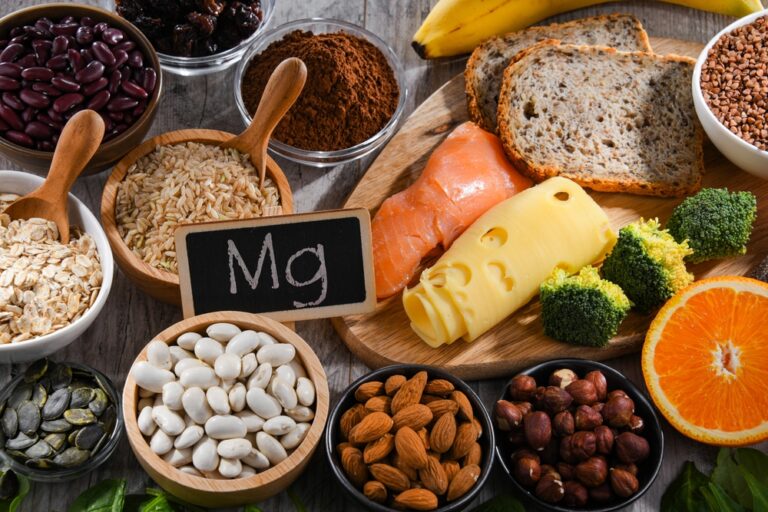
Magnesium and the Brain: The Missing Link in Dementia Prevention
| |

Magnesium and the Brain: The Missing Link in Dementia Prevention

What if protecting your memory and focus didn’t require an expensive supplement or advanced therapy? The answer might already be on your plate. Magnesium, a mineral essential for hundreds of processes in your body, could be one of the strongest defenses against cognitive decline and dementia. Its role in maintaining nerve stability and supporting healthy…

Low Choline and High Anxiety: What Science Reveals About This Brain Connection
| |

Low Choline and High Anxiety: What Science Reveals About This Brain Connection

Anxiety is more than nervous thoughts or racing feelings. It is a condition deeply rooted in brain chemistry. Scientists have long examined the psychological side of anxiety, but recent findings show that certain nutrients may quietly influence how we experience stress and emotional regulation. One such nutrient, choline, is gaining attention for its impact on…

The Foods That Quietly Damage Your Brain (And What to Eat Instead)
| | |

The Foods That Quietly Damage Your Brain (And What to Eat Instead)

When it comes to protecting your brain, what you eat every day matters more than you think. While most people associate heart disease or diabetes with poor nutrition, neurologists are warning that your dietary habits can also silently affect your brain and even raise your risk of dementia later in life. Emerging research continues to…

Study Finds High-Fat Cheese Reduces Dementia Risk Better Than Low-Fat
| | |

Study Finds High-Fat Cheese Reduces Dementia Risk Better Than Low-Fat

Scientists just turned decades of dietary advice on its head. A new study spanning 25 years suggests that eating more high-fat cheese and cream might protect your brain from dementia. Yes, you read that right. Foods we’ve been told to limit could actually help keep our minds sharp as we age. Over 27,000 people in…

How Gut Bacteria May Trigger Multiple Sclerosis—and What It Means for You
| |

How Gut Bacteria May Trigger Multiple Sclerosis—and What It Means for You

Multiple sclerosis (MS) affects nearly one million people in the United States, often striking during early or mid-adulthood and altering daily life in lasting ways. You may already know that MS disrupts communication between the brain and body, leading to symptoms such as numbness, weakness, vision changes, or difficulty walking. What has remained frustratingly unclear…

Nighttime Light Pollution Increases Alzheimer’s Risk in Under-65s
| |

Nighttime Light Pollution Increases Alzheimer’s Risk in Under-65s

Nighttime light flooding American communities may increase Alzheimer’s disease risk, particularly for people under 65, according to research analyzing Medicare data and NASA satellite measurements. Scientists at Rush University Medical Center tracked Alzheimer’s prevalence across US states and counties from 2012 to 2018, comparing disease rates with outdoor light intensity captured by satellites. States with…

The Brain’s Hidden Pulse: How It Could Help Detect Alzheimer’s Earlier
| |

The Brain’s Hidden Pulse: How It Could Help Detect Alzheimer’s Earlier

Imagine if every heartbeat could tell a story about your brain’s future. Researchers at the Mark and Mary Stevens Neuroimaging and Informatics Institute (Stevens INI) at the Keck School of Medicine of USC have found a way to visualize something we’ve never seen before, the brain’s hidden pulse. This subtle rhythm, echoing with each heartbeat,…

First-Ever Successful Huntington’s Disease Treatment Slows Progression by 75 Percent
| |

First-Ever Successful Huntington’s Disease Treatment Slows Progression by 75 Percent

For decades, Huntington’s disease has stood as one of medicine’s most heartbreaking diagnoses, a slow and unstoppable decline that robs individuals of movement, memory, and personality. Now, for the first time, scientists have achieved something once thought impossible: slowing the disease’s progression by 75 percent. In early clinical trials, an experimental gene therapy called AMT-130…