


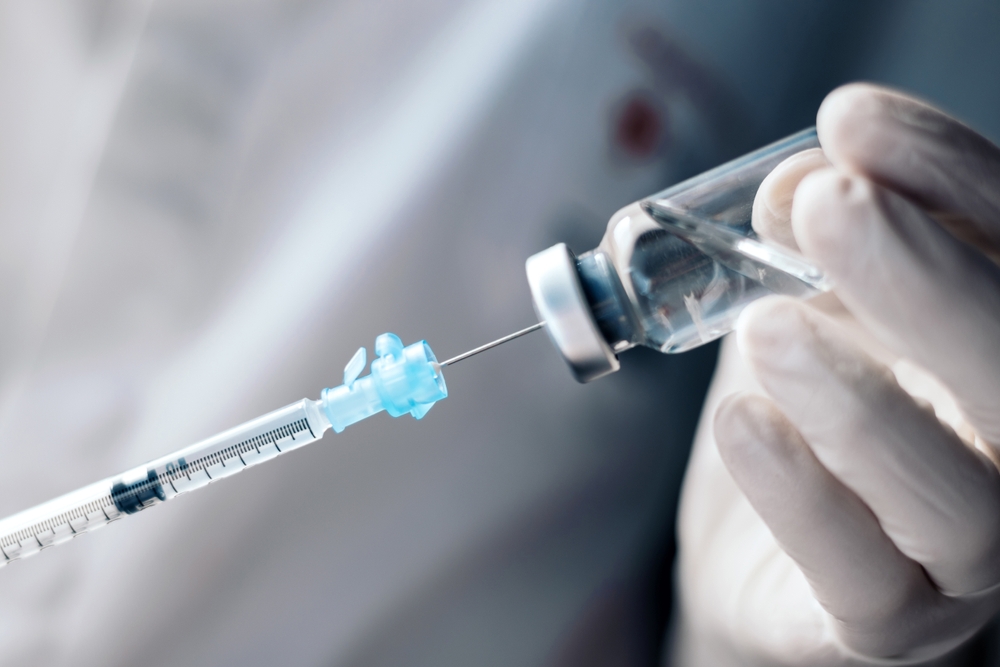
For decades, many parents have worried that vaccines could cause autism. The theory first surfaced in the late 1990s, when a now discredited study made headlines and ignited fear worldwide. Even though that research was later proven fraudulent, its effects lingered, causing confusion, mistrust, and hesitation about one of medicine’s greatest lifesaving tools.
Today, the evidence is clearer than ever: vaccines do not cause autism. Dozens of independent studies across multiple countries have confirmed this fact, showing no link between vaccines and autism spectrum disorder (ASD). Let us break down the science, the myths, and the reassuring truth parents need to know.
The Origins of a Dangerous Myth
The controversy surrounding vaccines and autism began in an era of growing parental concern about rising autism diagnoses and expanding vaccination schedules. Andrew Wakefield’s 1998 study emerged in this environment and exploited public fear by suggesting a connection between the MMR vaccine and developmental disorders. Although his claims were quickly questioned, the study resonated with anxious parents, spreading misinformation far beyond the scientific community.
The power of the myth was rooted not in evidence but in emotion. Wakefield’s study gave a face and narrative to parental worries, suggesting that routine medical care could harm children. Media coverage amplified those claims without proper scrutiny, turning a small and deeply flawed study into an international panic. The study’s lack of ethical oversight, small sample size, and unverified data were overlooked in favor of sensational headlines. When independent researchers tried to replicate his findings, they could not. Every subsequent investigation refuted the alleged link.

As public anxiety grew, vaccination rates began to decline in certain regions, leading to outbreaks of measles and other preventable illnesses. This period marked the beginning of the modern anti vaccine movement, fueled by misunderstanding and distrust in health authorities. Many parents still point to Wakefield’s retracted paper as the starting point for their hesitation, even though extensive research since then has confirmed the safety of vaccines.
Today, this chapter in medical history serves as an example of how misinformation can shape behavior long after the facts are known. It underscores the need for clear communication between healthcare professionals and the public and for continued vigilance against misinformation that places lives at risk.
The Thimerosal Theory: Another False Alarm
Thimerosal is an ethylmercury based preservative that was added to some vaccines to prevent bacterial and fungal contamination in multidose vials. Concern arose in the late 1990s when limits for methylmercury exposure were tightened and some assumed those same limits should apply to ethylmercury. Ethylmercury and methylmercury behave differently in the body. Ethylmercury is cleared quickly and does not bioaccumulate the way methylmercury from certain fish can. Pharmacokinetic research in infants showed a short blood half life and rapid fecal elimination after routine immunization, which means doses did not build up between visits.
Out of caution, thimerosal was phased out of nearly all routine childhood vaccines in the United States by 2001. After removal, surveillance continued and no association with autism emerged. Today, routine pediatric vaccines are thimerosal free, with the exception of certain multidose influenza formulations that still use it to maintain sterility. Parents who prefer to avoid it can request thimerosal free influenza options such as single dose vials or prefilled syringes. The central facts remain consistent with the evidence base already cited in this article. Ethylmercury from thimerosal is processed and eliminated efficiently, doses used in vaccines did not accumulate to harmful levels, and the presence or absence of thimerosal in vaccine formulations has not been linked to autism.
Why Autism Rates Keep Rising
Rising autism numbers largely reflect how we find and count cases rather than a surge in new disease. Diagnostic rules changed over time. DSM IV in 1994 expanded the category by including Asperger disorder and pervasive developmental disorder not otherwise specified, and DSM 5 in 2013 unified these into autism spectrum disorder with severity specifiers. These shifts brought more children under one umbrella and encouraged evaluations for a wider range of social communication and behavioral traits.
Diagnostic substitution also contributes. Children who might have been labeled with language disorder, intellectual disability, or learning disability in past decades are now more often assessed for autism and coded as such to match their clinical profile. School based eligibility under the Individuals with Disabilities Education Act and insurance coverage policies can further steer coding, since an autism diagnosis may unlock specialized therapies and supports. This does not mean clinicians are inflating numbers. It reflects clearer pathways to services and more consistent terminology.
Screening practices have become routine in pediatrics. The American Academy of Pediatrics recommends standardized screening at 18 and 24 months, and many clinics use electronic prompts to ensure completion. Earlier screening brings earlier referral to developmental specialists and more confirmed diagnoses before kindergarten. Public awareness campaigns, parent education, and growth in telehealth assessments have reduced wait times in many regions, again increasing the likelihood that children who meet criteria are counted.
Access and equity changes alter the picture as well. Historically, children from minority groups and those in rural areas were under identified. As outreach improves and more clinicians receive training, detection gaps narrow. When groups that were previously overlooked begin to receive evaluations, reported prevalence rises even if the underlying rate in the population is stable.
Population trends add smaller effects. More births to older parents and better survival of preterm and very low birthweight infants create cohorts with higher baseline neurodevelopmental risk. When these children receive comprehensive follow up, more cases are recognized. Together, these factors explain most of the increase seen in surveillance reports and help parents understand that higher numbers are largely a function of better recognition, broader criteria, and improved access to evaluation and services.
The Flu Vaccine and Pregnancy: Safe for Moms and Babies
Pregnancy changes the heart, lungs, and immune system in ways that increase the risk of severe influenza. Inactivated influenza vaccines are recommended in any trimester because they reduce the chance of maternal hospitalization and complications such as pneumonia. The vaccine is non live, so it cannot cause influenza, and the common side effects are mild, such as arm soreness, low grade fever, and fatigue that resolve within one to two days. Clinicians avoid the live attenuated nasal spray during pregnancy and use injectable formulations instead.
Timing matters for infant protection as well. Maternal vaccination leads to the transfer of influenza specific IgG antibodies across the placenta, which provides the newborn with passive immunity during the first months of life. This early protection is valuable because infants younger than six months are not eligible for their own influenza vaccine. Breastfeeding continues that support by delivering influenza specific antibodies in milk, which adds an additional layer of mucosal defense for the infant.
Pregnant patients often have other health goals at the same visit, so clinicians can administer influenza vaccine alongside routine prenatal vaccines when indicated. Standard safety surveillance systems continue to monitor outcomes, and decades of monitoring show that inactivated influenza vaccines have a strong safety record in pregnancy. For parents who are planning, receiving the vaccine before the peak of the local flu season maximizes benefit, and vaccination during any trimester still confers meaningful protection for both parent and baby.

The Real Risk of Skipping Vaccines
Choosing to delay or refuse routine immunizations removes proven protection from the individual child and weakens community resistance to disease. When coverage falls below the level needed for herd protection, viruses and bacteria spread more easily in schools, daycares, and households. Infants too young to be fully vaccinated, people receiving chemotherapy, transplant recipients, and those with immune disorders depend on the immunity of those around them. Lower coverage places these groups at immediate risk even if they are not the ones declining vaccines.
Outbreak data show what happens when vaccination rates slip. Measles can infect about nine out of ten susceptible contacts, which is why a single case can trigger dozens of secondary cases in undervaccinated settings. Complications include pneumonia, dehydration, ear infections that can lead to hearing loss, and acute encephalitis. A small percentage of infected children later develop subacute sclerosing panencephalitis, a progressive and fatal brain disease that appears years after infection. Pertussis spreads efficiently in households and can cause apnea, pneumonia, seizures, and hospitalization in young infants. Varicella can lead to bacterial skin infections, pneumonia, and cerebellar ataxia, with higher risks in adolescents and adults. These outcomes are preventable with timely vaccination.
Health systems also feel the strain. Outbreak response requires case finding, isolation guidance, postexposure prophylaxis, and emergency vaccination clinics, diverting staff and resources from other patient needs. Families may face missed work and school, medical bills, and travel restrictions during exclusion periods. By keeping routine vaccines up to date, communities prevent these avoidable disruptions while protecting those who cannot be vaccinated. The choice to vaccinate is both a personal health decision and a practical act of care for the people around us.
My Personal RX on Trusting Science and Protecting Your Family
As a physician and health advocate, I understand why parents want to make the safest choices for their children. Misinformation can spread faster than facts, but evidence based medicine gives us clarity and confidence.
Here are my ten personal recommendations to keep your family healthy and informed:
- Get the Facts From Trusted Sources: Always turn to the CDC, the American Academy of Pediatrics, or your healthcare provider when making vaccination decisions. Avoid social media claims that lack scientific backing.
- Support Your Body Naturally: Keep your immune system strong with adequate sleep, hydration, and balanced nutrition.
- Prioritize Rest and Recovery: Quality sleep is key for immune resilience. My Sleep Max formula is designed to promote deeper, restorative sleep so your body can function at its best.
- Educate Yourself: Download my free guide, The 7 Supplements You Can’t Live Without, to learn how targeted nutrients can support your immunity, energy, and overall wellness.
- Stay Calm and Confident: Knowledge is the best defense against fear. When you understand the facts, you can make informed, compassionate choices for yourself and your children.
- Keep Vaccination Records Updated: Maintain an accurate immunization record and share it with all healthcare providers to ensure proper scheduling.
- Ask Questions During Appointments: Open communication with your physician builds trust and helps you understand each vaccine’s benefits and timing.
- Encourage Community Immunity: Talk to friends and family about the importance of vaccination so that everyone contributes to protecting vulnerable individuals.
- Monitor for Normal Reactions: Mild redness or fever after vaccination is a normal immune response. Know what to expect and when to contact your provider.
- Model Evidence Based Health Habits: Children learn from example. When you make science driven decisions, they grow up confident in their ability to do the same.
Sources
- Thimerosal containing vaccines and autism: A review of recent epidemiologic studies. J Pediatr Pharmacol Ther. (2010).
- Mercury levels in newborns and infants after receipt of thimerosal containing vaccines. Pediatrics. (2008). https://doi.org/10.1542/peds.2006-3363
- Measles, mumps, rubella vaccination and autism: A nationwide cohort study. Ann Intern Med. (2019). https://doi.org/10.7326/M18-2101
- Cumulative incidence of autism into adulthood for birth cohorts in Denmark, 1980 2012. JAMA. (2018). https://doi.org/10.1001/jama.2018.11328
Prenatal influenza vaccination or influenza infection and autism spectrum disorder in offspring.Clin Infect Dis. (2022). https://doi.org/10.7326/M20-0167






 Subscribe to Ask Dr. Nandi YouTube Channel