


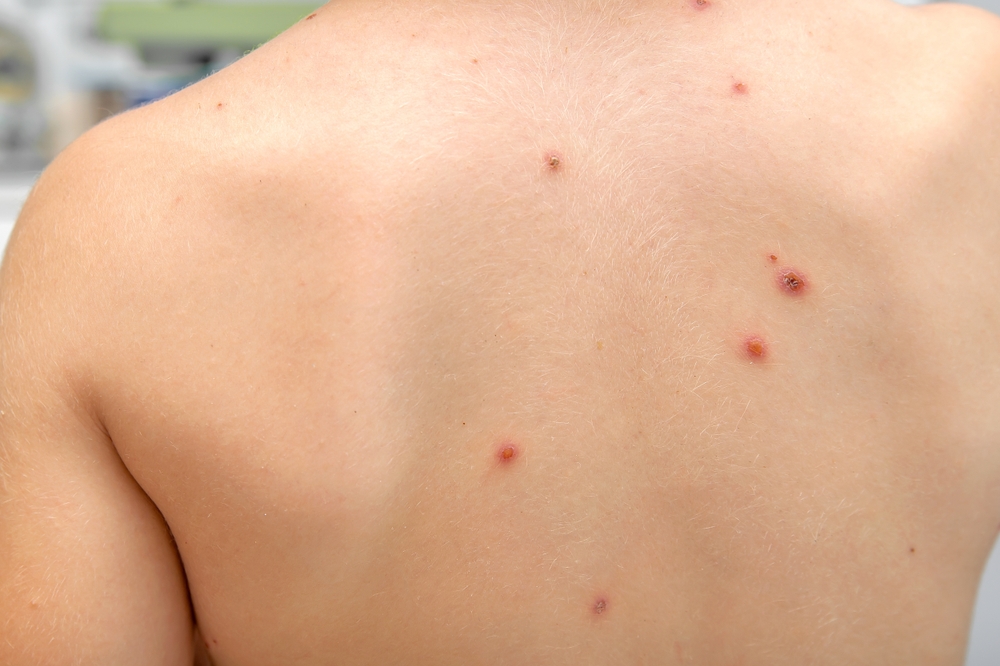
You might notice a tiny red dot on your arm or shoulder that wasn’t there before. It’s smooth, round, and doesn’t hurt, but it’s enough to make you pause. Many of my patients have the same concern. The truth is, not every red spot is cause for worry. Some are harmless, while others can indicate that your body needs attention. Understanding the difference helps you stay proactive about your skin and overall health.
Cherry Angiomas: The Harmless Red Spots
Cherry angiomas are among the most common benign skin growths, often appearing as tiny, round, and vividly red or purplish spots. They form when small blood vessels called capillaries cluster just beneath the skin’s surface, creating a bright dot that can vary slightly in size. Although their exact cause isn’t fully understood, studies suggest a mix of genetic factors and natural aging of the skin’s vascular system.
These spots are typically found on the torso, arms, legs, or even the scalp, and they may slowly increase in number with age. They do not usually cause pain, itchiness, or swelling, and unlike more concerning skin changes, they tend to remain consistent in appearance for years. Some may darken slightly over time but remain smooth and dome-shaped.
Cherry angiomas can sometimes bleed if scratched or irritated, such as during shaving or when caught on clothing. If this happens, the area should be cleaned and protected, but persistent bleeding or changes in shape should be checked by a dermatologist. Laser therapy or cauterization are available if someone prefers removal for cosmetic reasons, though treatment is not medically necessary.
While harmless, cherry angiomas are reminders to stay attentive to your skin’s changes. Being familiar with what’s normal for you makes it easier to notice new or unusual marks that might need professional attention.
Sun Damage and Telangiectasias
Telangiectasias are small, threadlike red or purple lines that become visible on the skin when fine blood vessels near the surface widen permanently. They are most noticeable on areas that receive frequent sunlight, such as the face, chest, neck, and shoulders. Over time, ultraviolet radiation weakens the walls of superficial blood vessels, causing them to lose elasticity and remain dilated. This gradual process is often seen in adults over forty but can appear earlier in people with fair complexions or those who spend long hours outdoors without consistent sun protection.
In some individuals, telangiectasias can also be influenced by genetics, hormonal changes, or certain medications that make the skin more sensitive to light. While they are not a health threat, they can cause visible redness or a flushed appearance that may worsen with heat or alcohol intake. These vascular changes reflect how chronic sun exposure affects skin integrity, contributing to thinning, uneven tone, and premature aging.
Maintaining consistent use of sunscreen and wearing protective clothing can slow the development of telangiectasias and other sun-related skin concerns. Dermatologists may recommend treatments such as pulsed dye laser therapy or intense pulsed light to reduce their appearance for those who seek cosmetic improvement. The most effective prevention remains diligent sun protection and regular monitoring for any new or changing skin marks.
Petechiae: When Red Dots Require Attention
Petechiae are tiny pinpoint spots that develop when small blood vessels under the skin break and allow minimal bleeding into surrounding tissue. They can appear red, purple, or brown depending on skin tone and may show up in clusters on the legs, arms, or torso. These dots are distinct because they do not fade when pressed, which helps differentiate them from other common skin changes.
Unlike age-related or sun-induced marks, petechiae often signal something happening within the body rather than on its surface. They may develop after physical strain, such as intense coughing or vomiting, but they can also accompany illnesses that affect blood clotting, such as infections, platelet disorders, or reactions to certain medications. When platelet levels drop too low, the body loses some of its ability to control bleeding, allowing these minute spots to form.
Petechiae are not a disease themselves but an important sign that should never be ignored if they appear suddenly or are accompanied by symptoms like fever, weakness, unexplained bruising, or nosebleeds. Doctors use blood tests to evaluate platelet counts and rule out infections or autoimmune causes. Prompt diagnosis can identify conditions early and guide proper treatment.
While petechiae may fade naturally once the underlying issue resolves, persistent or spreading spots warrant medical attention. Understanding these small vascular changes allows you to respond quickly and ensure that a manageable concern does not progress into something more serious.
How to Tell the Difference Between Harmless and Concerning Spots
Recognizing whether a red spot on your skin is harmless or something that needs medical attention comes down to observing a few key characteristics. While most small red dots are benign, understanding their patterns and behavior helps you make informed decisions about your health without unnecessary worry. The differences often lie in how the spots form, where they appear, and whether they change over time.
Harmless spots, such as cherry angiomas or telangiectasias, usually develop gradually and remain stable in color, size, and texture. They are often smooth or slightly raised and do not cause discomfort. Concerning spots, such as petechiae, tend to appear suddenly, sometimes in clusters, and may be accompanied by other physical symptoms like fatigue or easy bruising. They remain visible even when pressed and may indicate an internal condition that affects blood or platelet function.
Pay attention to timing, pattern, and any accompanying sensations. A red spot that remains unchanged for months is far less concerning than one that appears overnight or increases rapidly in number. Also, take note of whether the spots are isolated to one area or spreading to multiple regions of the body. Systemic issues often produce symmetrical or widespread patterns, whereas benign growths tend to stay localized.
If you are uncertain, it is always safer to seek a professional evaluation. A dermatologist can quickly distinguish between benign vascular growths and signs that suggest an underlying condition. Monitoring your skin regularly and documenting new marks can also help your doctor track subtle changes that might otherwise go unnoticed. Awareness and timely evaluation are the best tools for protecting your skin and your overall health.
When assessing red spots, it helps to think in terms of behavior rather than labels. Spots that form slowly, stay consistent in size and color, and remain confined to one area are more likely to be harmless. These changes often reflect localized skin or blood vessel changes rather than a systemic issue.
By contrast, spots that appear abruptly, increase quickly in number, or show up alongside other symptoms deserve closer attention. Widespread patterns, especially those appearing on both sides of the body, can suggest an internal trigger rather than a surface-level skin change. Paying attention to how your body feels overall is just as important as observing what you see on your skin.
When something feels unusual or does not follow a familiar pattern, a professional evaluation can provide clarity and reassurance. Early assessment allows your care team to distinguish between normal variations and signs that require follow up, helping you take the right next step with confidence.
My Personal RX on Reading the Signs Beneath the Skin and What Your Body Is Trying to Communicate
Your skin is not just something you see in the mirror. It is a living record of how your body is functioning day to day. Changes in sleep quality, stress levels, inflammation, and overall balance often show up on the skin long before other symptoms become obvious. Paying attention to these signals allows you to respond early rather than react later.
When you learn to read what your skin is communicating, you gain valuable insight into your overall health. Small red dots, changes in tone, or shifts in texture can all serve as reminders to slow down, support your body, and address areas that may be out of balance. The goal is not perfection, but awareness and consistency.
Here is what I recommend to support both healthy skin and better overall wellness:
- Get Restorative Sleep: Inadequate sleep can trigger inflammation and disrupt skin healing. Try Sleep Max, a natural supplement that encourages deep, rejuvenating rest.
- Hydrate and Nourish: Drink water throughout the day and eat foods rich in vitamin C, zinc, and healthy fats.
- Wear Sunscreen Every Day: Protect your skin’s elasticity and reduce the risk of vascular changes.
- Track Skin Changes: Take monthly photos of moles or spots to notice subtle differences over time.
- Eat for Anti-Inflammation: Add turmeric, salmon, and green tea to your diet for their skin-protective benefits.
- Support Circulation: Foods like spinach and lentils help maintain healthy blood vessels.
- Manage Stress: Meditation or deep breathing can balance hormones and improve your skin tone.
- Avoid Smoking and Excess Alcohol: Both can damage capillaries and lead to persistent redness.
- Learn What Your Body Needs: Download my free guide, The 7 Supplements You Can’t Live Without, for practical nutrition insights.
- Consult a Professional: If red spots appear suddenly or with other symptoms, don’t wait—schedule a visit with your doctor or dermatologist.
Your skin’s condition is an ongoing conversation between your body and your lifestyle. Listen closely, and it will reward you with lasting vitality.
Sources
- Cleveland Clinic. (2023). Cherry Angioma: Causes and Treatment. Retrieved from https://my.clevelandclinic.org/health/diseases/22786-cherry-angioma
- Cleveland Clinic. (2023). Skin Lesions Overview. Retrieved from https://my.clevelandclinic.org/health/diseases/24296-skin-lesions
Cleveland Clinic. (2023). Petechiae: Symptoms and Causes. Retrieved from https://my.clevelandclinic.org/health/symptoms/21636-petechiae







 Subscribe to Ask Dr. Nandi YouTube Channel