


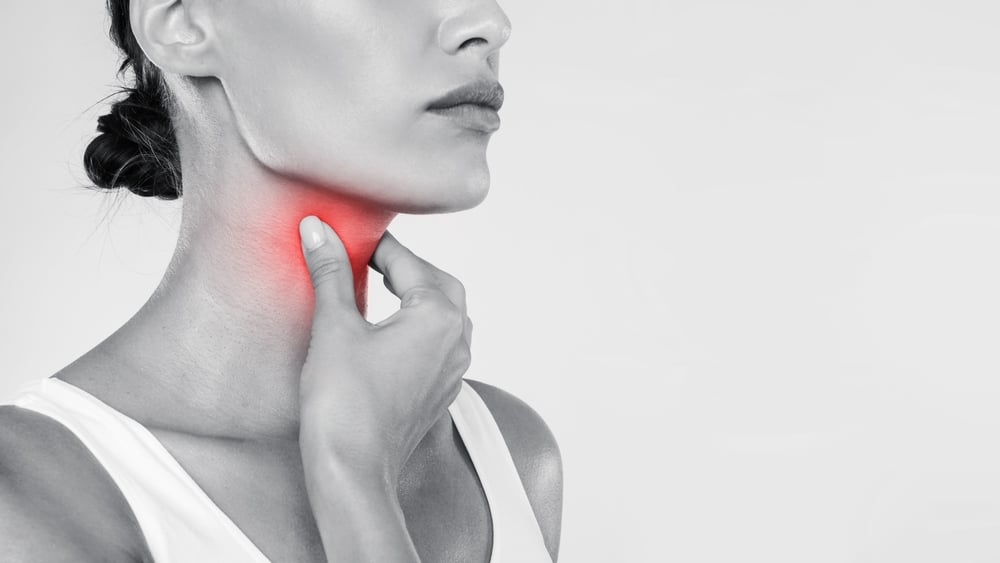
For decades, thyroid cancer was considered rare and often curable. Yet in recent years, health experts have noticed something alarming. Cases are increasing faster than almost any other cancer, particularly among women. While advancements in diagnostic tools may explain part of this trend, research suggests that the story runs deeper.
Understanding what’s driving this rise can help you protect your thyroid health and make informed choices about your lifestyle, diet, and medical care.
What Exactly Is Thyroid Cancer?
The thyroid is a small gland shaped like a butterfly that sits low in the front of the neck. It produces hormones that influence how the body uses energy, regulate heart rate and temperature, and keep many systems working in balance. When thyroid cells begin to mutate and multiply beyond control, a tumor can form. If untreated, these abnormal cells may invade nearby tissues or spread to other parts of the body through the lymphatic or circulatory system.
Thyroid cancer is not a single disease but a group of conditions that differ in behavior and treatment response. The most common type, papillary thyroid cancer, grows slowly and often remains localized. Follicular thyroid cancer may spread to distant organs like the lungs or bones. Medullary thyroid cancer arises from specialized hormone-producing cells called C cells and sometimes runs in families through inherited gene mutations. The rare anaplastic type is fast-growing and difficult to treat. Understanding these distinctions helps clinicians determine how aggressively to treat the disease and what kind of follow-up is required.
Most people discover thyroid cancer during routine physical exams or imaging studies performed for unrelated reasons. Occasionally, individuals notice a painless lump in the neck, swelling, or a change in voice that prompts further evaluation. Diagnosis typically involves ultrasound imaging and biopsy of any suspicious nodule to confirm whether cancerous cells are present. Once identified, doctors classify the tumor by size, type, and whether it has spread beyond the thyroid, which guides decisions on surgery and other therapies.
Although thyroid cancer is generally associated with good outcomes when detected early, each case presents its own challenges. Some forms respond well to surgery and hormone replacement therapy, while others require ongoing surveillance or more advanced interventions. The disease’s growing incidence has made awareness of its early signs and proper diagnostic evaluation increasingly important for timely and effective care.

Are We Just Detecting It More?
Overdiagnosis refers to finding cancers that would not have caused symptoms or affected lifespan if left undiscovered. The thyroid is a frequent site for very small papillary microcarcinomas that can remain indolent. Once high resolution ultrasound entered routine practice, clinicians began detecting many subcentimeter nodules that a physical exam could not identify. The widespread use of fine needle aspiration made it possible to sample these nodules, and pathology confirmation increased the recorded incidence without a corresponding rise in clinically significant disease. This helps explain why population data showed rising incidence while mortality remained largely stable during the early years of increased detection.
Screening intensity and clinical thresholds also shape the numbers. Ultrasound features are now scored with systems such as risk stratification tiers, and size cutoffs guide when to biopsy. Earlier practice often favored biopsy of small nodules, which amplified case counts. Current guidance encourages a more selective approach that considers ultrasound patterns, growth behavior, and patient risk rather than size alone. As programs moved away from routine screening of low risk people and toward risk based evaluation, several countries observed a slowdown in new diagnoses.
Active surveillance has become a structured pathway for carefully chosen small, low risk tumors. Follow up uses periodic ultrasound to track size and features, and clinicians intervene only if the nodule enlarges or shows suspicious changes. This strategy reduces unnecessary surgery and exposure to treatments while keeping outcomes comparable to immediate intervention for appropriate candidates. In parallel, multidisciplinary review and second look cytology have improved diagnostic accuracy, which reduces both false positives and overtreatment.
Taken together, refinements in imaging criteria, biopsy indications, and follow up protocols indicate that detection practices can substantially influence reported incidence. They do not, however, account for every trend seen across regions, which is why the article also examines other drivers in separate sections.
When Diagnosis Alone Doesn’t Explain It
Multiple epidemiologic signals point to a real increase in disease rather than a recording artifact. Registries in several regions have documented rising diagnoses of larger tumors and a growing share of cases with lymph node or distant spread at the time of presentation. Studies that track patients over decades also show incremental increases in metastatic papillary cancers, which are not easily accounted for by more sensitive imaging alone. In some cohorts, mortality has inched upward despite better therapies, which is inconsistent with a scenario driven only by finding tiny indolent lesions earlier.
Geographic and demographic patterns further support a true rise. Countries without broad screening programs have reported higher incidence, and the trend is not confined to one age group or health system. Time series analyses that adjust for changes in imaging and biopsy practice still demonstrate excess risk beyond what detection can explain. Together, these observations suggest that factors in the background environment and population health are influencing disease biology and presentation, which warrants continued surveillance and careful study.
The Obesity Connection
Excess body fat is linked to a higher likelihood of developing thyroid cancer through several biologic pathways that act together. Large cohort studies show a dose response pattern in which risk rises progressively with increasing body mass index, and central adiposity measured by waist circumference appears even more relevant than overall weight. Adipose tissue is metabolically active and produces hormones and cytokines that influence thyroid cell growth. Higher insulin and insulin like growth factor levels promote cellular proliferation and reduce apoptosis, while elevated leptin and reduced adiponectin signal a pro inflammatory state that can encourage tumor initiation and progression. Chronic low grade inflammation also increases oxidative stress and can alter DNA repair, creating conditions that favor malignant transformation. In parallel, people with excess weight more often exhibit higher thyrotropin levels and subtle thyroid dysfunction, and these hormonal shifts may stimulate growth signals within the gland. Evidence suggests that obesity is associated with larger tumors at diagnosis and with features linked to a worse prognosis, which aligns with the observation that longer duration of excess weight confers greater risk. The pattern holds across sexes and many age groups, and childhood or early adult obesity appears to set risk trajectories that persist later in life. Together, these data indicate that maintaining a healthy weight is a meaningful preventive strategy for the thyroid specifically, not only for general health.
Environmental and Chemical Factors
Another possible culprit: endocrine-disrupting chemicals (EDCs) found in everyday products. These chemicals mimic or interfere with the body’s hormones, potentially affecting thyroid function.
Substances like perfluorooctanoic acid (PFOA) and perfluorooctanesulfonic acid (PFOS), used in non-stick cookware, packaging, carpeting, and personal care items, are under scrutiny for their possible link to thyroid dysfunction and cancer.
While evidence is mixed, it underscores the importance of limiting exposure to synthetic chemicals where possible and choosing clean, natural household and beauty products.
Radiation and Medical Imaging Exposure
The thyroid gland is particularly sensitive to radiation, especially in children. While we haven’t seen new nuclear disasters like Chernobyl, modern medicine has introduced another source: diagnostic imaging.
CT scans and X-rays, particularly of the chest and neck, deliver relatively high doses of radiation to the thyroid. Researchers estimate that up to 3,500 thyroid cancer cases annually in the U.S. may be attributable to radiation from medical scans.
It’s a reminder to discuss with your healthcare provider whether an imaging test is truly necessary and to seek low-dose options whenever possible.
Why Women Are More Affected
Sex differences in thyroid biology help explain the higher incidence in women without repeating factors covered elsewhere. Thyroid tissue expresses estrogen and progesterone receptors, and laboratory work shows that estrogen signaling can promote growth and reduce programmed cell death in thyroid cells, which may lower the threshold for tumor development during reproductive years.
Immune biology also differs by sex. Women experience higher rates of autoimmune thyroid disease, and chronic autoimmune activity can remodel thyroid tissue and create an environment that favors nodule formation and, in a subset of cases, malignant change.

Life stages unique to women add further context. Pregnancy raises iodine needs and increases thyroxine production, while the postpartum period shifts immune tone. For some, these swings bring transient thyroid dysfunction that leads to clinical evaluation and, at times, the discovery of clinically important nodules.
Patterns in health care use contribute as well, since women tend to seek evaluation for neck symptoms and voice changes earlier. This brings timely detection of tumors that are not necessarily small or indolent.
Genetics may play a role through mechanisms such as X inactivation and microchimerism from prior pregnancies, both of which have been proposed to influence immune regulation in the thyroid. Together these sex specific features of hormone signaling, immune behavior, and life stage physiology offer a coherent explanation for the disproportionate burden observed in women beyond the effects of measurement and detection.
Global Research and Hope for the Future
New molecular studies are helping scientists identify genetic and environmental patterns behind thyroid cancer, leading to personalized medicine.
For instance, research collaborations in the UAE aim to map the molecular profile of thyroid cancers in different populations, potentially uncovering how regional diets, trace minerals, and environmental exposures shape disease risk.
Such progress could allow doctors to predict risk earlier and tailor treatments for each individual.
My Personal RX on Protecting Your Thyroid Naturally
As a doctor, I’ve seen how small, consistent habits can make a big difference in thyroid health. Your thyroid is a sensitive organ that responds to stress, sleep, and environmental exposure, so caring for it requires a holistic approach. Here’s how you can support it every day:
- Prioritize Restful Sleep – Your thyroid regulates metabolism, which is deeply linked to sleep cycles. Use Sleep Max, a natural, non-habit-forming formula that supports restorative rest and helps balance the stress hormones that can disrupt thyroid function.
- Download The 7 Supplements You Can’t Live Without – This free guide outlines the essential nutrients your thyroid and immune system rely on. It’s a great foundation for optimizing cellular health and hormonal balance.
- Limit Processed Foods and Added Sugars – These foods promote inflammation and can worsen hormonal imbalances that affect thyroid health. Focus on whole, nutrient-dense meals.
- Support Your Gut – A balanced microbiome helps regulate immune function, reducing the risk of autoimmune thyroid disorders like Hashimoto’s disease.
- Minimize Toxin Exposure – Avoid non-stick pans, use glass instead of plastic containers, and choose paraben-free personal care products to limit exposure to endocrine disruptors.
- Get Regular Check-Ups – Especially if you experience fatigue, weight changes, or neck swelling. Early detection saves lives.
- Manage Stress Proactively – Chronic stress disrupts hormone signaling. Incorporate deep breathing, yoga, or short meditation breaks into your day.
- Maintain a Healthy Weight – Even modest weight loss can reduce inflammatory markers and normalize thyroid-stimulating hormone (TSH) levels.
- Be Cautious With Imaging Tests – Discuss alternatives or lower-radiation options with your doctor before consenting to repeated CT or X-ray scans.
- Stay Informed and Empowered – The more you understand your thyroid, the better you can advocate for your health. Education is your best defense.
Sources
- Fox-Skelly, J. (2025, November 15). Why are thyroid cancer cases increasing across the world? BBC Future. https://www.bbc.com/future/article/20251114-why-are-thyroid-cancer-cases-increasing-across-the-world
- Thyroid cancer’s gender disparity and pioneering advances in treatment and research. (2025). World Health Expo. https://www.worldhealthexpo.com/insights/oncology/thyroid-cancer-s-gender-disparity-and-pioneering-advances-in-treatment-and-research








 Subscribe to Ask Dr. Nandi YouTube Channel