



For Gen Z, rising anxiety stems from a mix of biological sensitivity and the speed of modern life. Their developing brains are more reactive to stress, and constant exposure to information keeps them emotionally charged. The nonstop flow of digital content, shifting social expectations, and uncertain global conditions overload their coping systems, preventing rest and recovery. Added to this is widespread concern about the future—from economic instability to climate change—combined with the isolating effects of the pandemic. These overlapping pressures have made chronic stress feel routine, turning anxiety into a near-constant backdrop for many young people.
The Constant Noise of Social Media
Social media’s influence extends far beyond distraction—it shapes the way Gen Z perceives themselves and others. The curated nature of online spaces can distort reality, encouraging comparisons that breed self-doubt and inadequacy. Many young people report feeling pressure to maintain a constant online presence, afraid that disconnecting might lead to social exclusion. The combination of visibility and judgment triggers the same stress responses as real-world rejection, leaving lasting emotional imprints. Over time, this erodes self-esteem and fosters dependency on external validation to feel secure.
Another overlooked factor is how social media fragments attention and reduces opportunities for emotional recovery. Notifications, algorithm-driven content, and a continuous cycle of likes and comments keep the brain in a state of mild vigilance. This perpetual stimulation prevents the natural ebb and flow of rest that’s essential for emotional balance. As a result, anxiety builds silently, showing up not as panic but as restlessness, irritability, or fatigue—signs many parents might misinterpret as typical teenage behavior.

Financial and Societal Stressors
The landscape facing Gen Z is economically uncertain and socially demanding. Despite greater awareness about mental health, many young people feel pressure to achieve stability in an unpredictable job market and a rising cost of living. This instability fosters a fear of failure that seeps into academic performance, relationships, and self-worth. The expectation to succeed early—and visibly—creates a psychological burden that previous generations did not face at the same scale.
In addition, Gen Z has grown up in a time of increased social polarization and public discourse that often feels divisive. Young people absorb this tension daily, leading to feelings of helplessness and disillusionment about their ability to influence change. They are more globally aware yet feel less in control, a combination that amplifies internal stress. These constant external pressures condition the mind to anticipate crisis, leaving little room for calm reflection or emotional recovery.
Exposure to Violence and Global Crisis
This generation’s relationship with safety has been redefined. Regular exposure to reports of mass shootings, global conflicts, and humanitarian crises has made anxiety a logical, even protective, response. Unlike previous generations who might have learned about distant events from newspapers or television, Gen Z receives real-time, graphic content on their personal devices. The immediacy of this exposure triggers emotional distress that can resemble secondary trauma.
Living under this constant awareness of potential danger shapes the way Gen Z processes risk. For many, safety no longer feels guaranteed in schools, public spaces, or even online. The emotional cost of this chronic alertness is profound—it wires the nervous system to expect threat, making relaxation difficult. Over time, this heightened state of vigilance can interfere with concentration, learning, and emotional regulation, reinforcing the cycle of anxiety.
The Hidden Signs of Anxiety Parents Often Miss
Anxiety can appear in ways that parents might not expect. It is not always visible as fear or worry; instead, it can show up in changes to mood, behavior, and physical health. Because these signs often blend into normal developmental shifts, they can be easily missed until anxiety becomes more disruptive.
1. Avoidance
When teens begin to pull away from their usual routines, stop attending social activities, or show sudden disinterest in hobbies, avoidance may be at play. This behavior can be the mind’s attempt to protect itself from perceived stress or embarrassment. The temporary relief they feel reinforces the avoidance, creating a pattern that deepens anxiety over time. Parents who notice this should aim to reintroduce low-pressure experiences that help rebuild comfort and confidence without forcing exposure too quickly.
Avoidance may also present as procrastination or refusal to try new things. A teen might struggle to start schoolwork or avoid conversations that feel challenging. Rather than labeling these behaviors as laziness or defiance, parents should recognize them as possible expressions of distress. Encouraging small, achievable steps can restore a sense of control and reduce the anxiety linked to perceived failure.
2. Physical Complaints
Anxiety often manifests through the body, showing up as headaches, stomach pain, or muscle tightness. These physical symptoms are caused by the stress response, which diverts energy toward survival rather than normal bodily functions. Over time, this can lead to chronic discomfort, fatigue, or digestive issues. When medical explanations are ruled out, these recurring symptoms can signal that anxiety is taking a physical toll.
In some cases, physical complaints become the primary way a young person communicates emotional distress. Teens may not yet have the words to describe what they are feeling, so their body speaks for them. Parents can help by keeping track of when these symptoms occur and exploring whether they correlate with stressful events, changes in environment, or academic pressure. Recognizing the body-mind connection helps both parent and child approach anxiety from a place of understanding rather than frustration.
3. Trouble Sleeping
Sleep disturbances are one of the most common but overlooked signs of anxiety. Teens may find it difficult to fall asleep, wake up frequently, or feel unrested in the morning. Their minds often race at night as worries surface without distraction. This lack of rest keeps the body’s stress hormones elevated, worsening emotional instability. A consistent sleep routine and reduced screen time before bed can help calm the nervous system.
Long-term sleep disruption can have a significant impact on focus, mood, and motivation. It can also create a feedback loop where anxiety and insomnia feed each other. Parents who observe persistent sleep issues should encourage relaxation techniques such as reading, deep breathing, or quiet reflection before bedtime. Addressing sleep health early can prevent anxiety from becoming more deeply rooted.
4. Constant Reassurance-Seeking
Many anxious teens repeatedly ask for reassurance about the same concerns—grades, friendships, or future plans. While this behavior can seem harmless, it often provides only momentary relief and strengthens the cycle of worry. When reassurance becomes a habit, it prevents young people from learning to self-soothe or tolerate uncertainty.
Parents can respond more effectively by guiding their children to develop coping tools instead of offering constant answers. Asking reflective questions like “What do you think will happen?” encourages problem-solving rather than dependence. Over time, this shift helps teens build internal confidence and emotional resilience, key elements in breaking free from anxiety-driven thought patterns.
5. Irritability and Anger
Anxiety can also appear as irritability or bursts of anger, particularly in younger teens who lack the emotional vocabulary to describe fear or overwhelm. What looks like defiance may actually be a physiological response to stress. When the nervous system is overloaded, the brain’s ability to regulate emotions weakens, leading to impulsive or defensive reactions.
These emotional spikes can strain family relationships if misunderstood. Instead of responding with punishment or criticism, parents can focus on identifying triggers and providing calm reassurance. Encouraging emotional literacy—helping teens name their feelings and understand what causes them—can reduce anger and restore communication. Recognizing irritability as a potential symptom of anxiety allows parents to address the root issue rather than just the behavior.
How Parents Can Support Their Gen Z Child
Parents hold a crucial position in shaping how their children cope with anxiety. The first step is to provide steady emotional support that balances empathy with structure. When children know that their parents are reliable and available, it builds a sense of safety that counteracts anxious uncertainty. Consistent daily routines, clear communication, and predictable expectations all help to stabilize an anxious mind. A calm and patient response from a parent shows that strong emotions can be managed without fear or shame.
Beyond creating structure, parents can also model healthy ways to handle stress. Demonstrating self-regulation—taking a pause before responding, acknowledging mistakes, or engaging in calming activities—teaches children by example. Teens learn more from what parents do than from what they say. Showing how to express frustration calmly or to recover from setbacks demonstrates resilience in action. Modeling vulnerability, such as admitting when you feel overwhelmed, can also make conversations about mental health feel more approachable.
Open and honest dialogue is essential. Parents should foster an atmosphere where feelings can be discussed without criticism or judgment. Rather than rushing to solve problems, listening and validating emotions allows teens to feel understood. Asking open questions like “How can I help you with this?” encourages reflection and ownership over solutions. Encouraging outlets like art, journaling, or physical movement provides natural ways to process emotions while promoting self-discovery. This approach nurtures trust and helps teens build emotional awareness that serves them long-term.
Finally, parents must recognize when professional help is needed and treat it as an act of strength. Persistent anxiety or physical symptoms may require guidance from therapists, counselors, or healthcare providers who specialize in adolescent mental health. Seeking professional support early prevents issues from deepening and reinforces the message that taking care of mental health is as important as caring for physical health. When parents combine structure, empathy, example, and access to resources, they help their Gen Z children develop confidence in their ability to handle life’s challenges.
My Personal RX on Helping Your Gen Z Child Manage Anxiety
Supporting a child with anxiety isn’t about perfection. It is about presence, patience, and small, daily choices that strengthen mental resilience. Here’s how I guide families in my practice and in my own home:
- Prioritize Sleep as Medicine
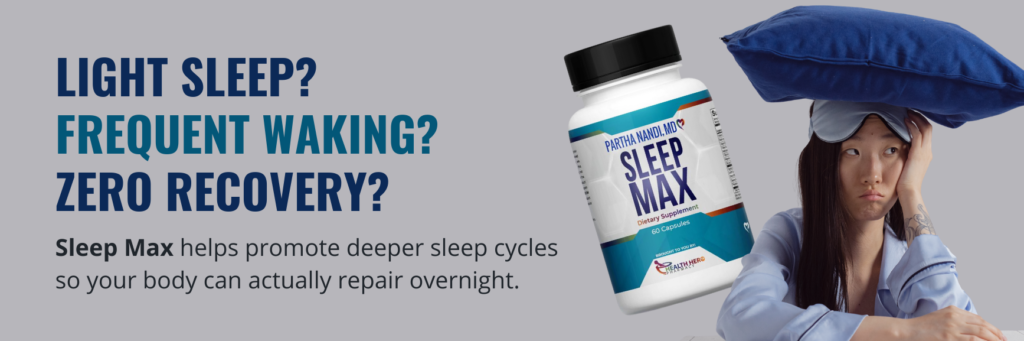
Sleep is the foundation of emotional stability. Encourage consistent sleep schedules and limit electronics an hour before bedtime. If your child struggles to unwind, Sleep Max can help support healthy sleep cycles naturally, without dependency-forming ingredients. - Strengthen Mind Body Awareness
Teach your child simple grounding exercises such as deep breathing, stretching, or five minute mindfulness breaks. These techniques calm the nervous system and remind the body it is safe. - Nourish From the Inside Out
A diet rich in omega 3 fats, leafy greens, and whole grains supports brain health and emotional regulation. Skipping meals or relying on sugary snacks can spike anxiety levels. - Encourage Daily Connection
Regular family meals, walks, or even short check ins provide emotional security. Consistent connection communicates safety and helps kids feel seen. - Educate Yourself on Holistic Mental Health
Knowledge empowers parents. Download my free guide, “The 7 Supplements You Can’t Live Without,” to learn about nutrients that support mood balance, stress response, and cognitive health. - Practice Compassionate Accountability
Encourage effort over outcome. Instead of pressuring perfection, praise persistence and honesty. This helps kids feel capable rather than overwhelmed. - Reframe Anxiety as a Signal, Not a Sentence
Teach your child that anxiety is not the enemy. It is the body’s way of asking for support. Reframing fear as a cue for self care builds lifelong emotional intelligence.
Anxiety in Gen Z reflects more than just a mental health crisis; it is a cultural one. But with awareness, compassion, and the right tools, parents can help their children turn anxiety into resilience. When young people feel understood and supported, they learn to trust their inner strength, creating a generation that is not just coping but growing.
Sources
- American Academy of Pediatrics. (2021). AAP AACAP CHA Declaration of a National Emergency in Child and Adolescent Mental Health. https://www.aap.org
- American Psychological Association. (2019). Gen Z more likely to report mental health concerns. https://www.apa.org
- American Psychological Association. (2020). Stress in America: Generation Z. https://www.apa.org
- American Psychological Association. (2024). Teens are spending nearly 5 hours daily on social media. https://www.apa.org
- Child Mind Institute. (2025). How Anxiety Leads to Problem Behavior. https://childmind.org
- Journal of Child and Adolescent Psychiatric Nursing. (2024). Contributing Factors to the Rise in Adolescent Anxiety and Associated Mental Health Disorders.
- Anxiety and Depression Association of America. (2022). When Reassurance Seeking Becomes Compulsive. https://adaa.org








 Subscribe to Ask Dr. Nandi YouTube Channel