

Scientists just turned decades of dietary advice on its head. A new study spanning 25 years suggests that eating more high-fat cheese and cream might protect your brain from dementia. Yes, you read that right. Foods we’ve been told to limit could actually help keep our minds sharp as we age. Over 27,000 people in Sweden participated in one of the longest studies of its kind, and what researchers found challenges everything we thought we knew about fat and brain health. Before you stock up on brie and cheddar, though, there’s more to this story than meets the eye.
What Scientists Found About Cheese and Your Brain
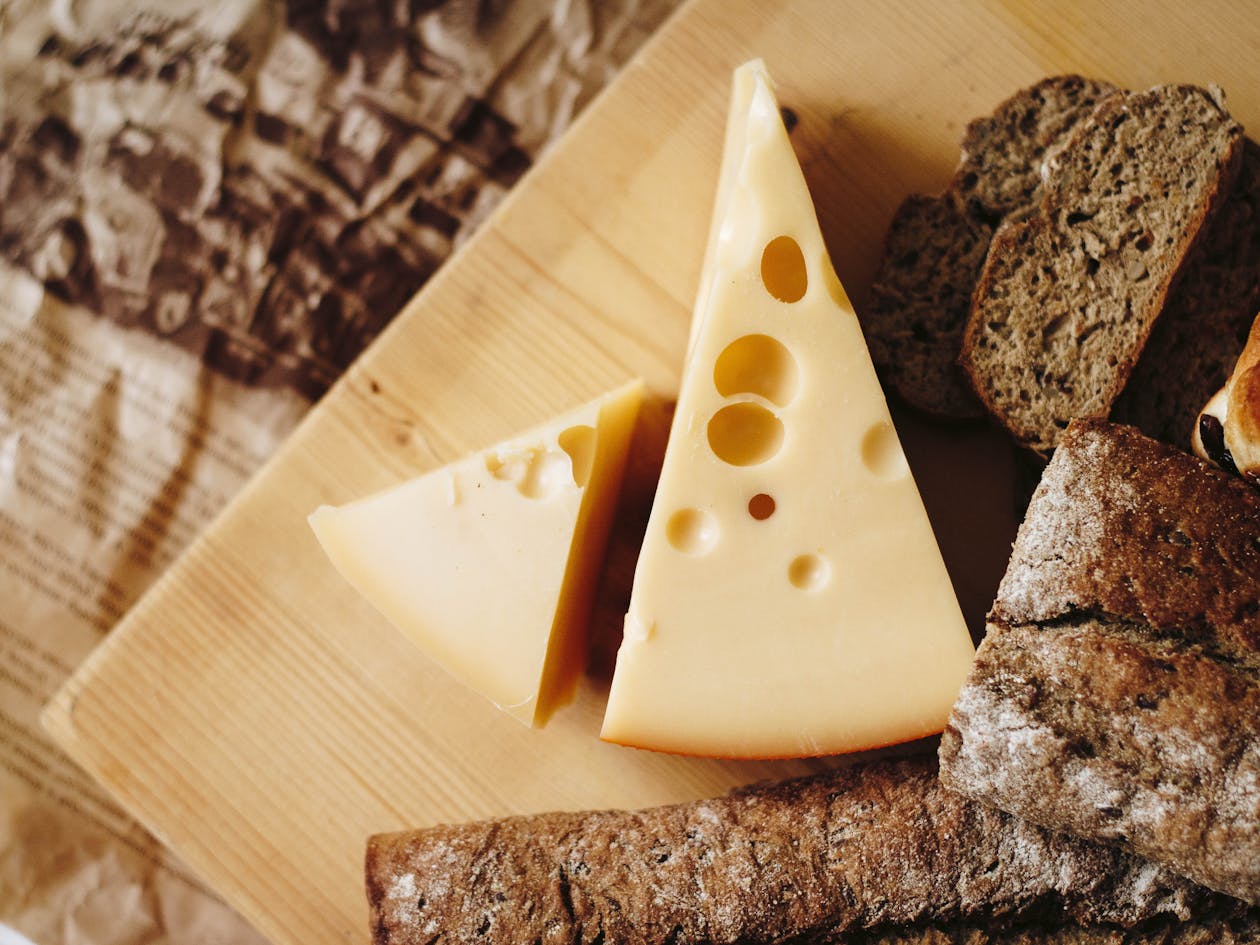
A team of researchers in Sweden followed nearly 28,000 people for up to 25 years, tracking what they ate and whether they developed dementia. People who ate 50 grams or more of high-fat cheese each day had a 13% lower risk of developing dementia compared to those eating less than 15 grams daily. To put that in perspective, 50 grams equals about two slices of cheddar or half a cup of shredded cheese.
High-fat cheese showed the strongest protection against vascular dementia, a type of cognitive decline caused when blood flow to the brain gets blocked. People who ate the most high-fat cheese had a 29% lower risk of this condition.
Cream lovers got good news, too. Consuming at least 20 grams of high-fat cream daily (about 1.4 tablespoons)is linked to a 16% lower risk of dementia. Heavy whipping cream and double cream count as high-fat options, with 30-40% fat content.
Here’s where it gets interesting: low-fat versions of these dairy products showed no protective effect whatsoever. Skim milk, low-fat cheese, and reduced-fat cream didn’t lower dementia risk at all. Whole milk, whether high-fat or low-fat, also failed to show any brain benefits. Butter consumption showed mixed results and appeared to depend on a person’s overall diet quality.

Why Fat Content Matters for Your Brain
Dr. Emily Sonestedt, the lead researcher from Lund University, explained that cheese goes through fermentation, a process that creates bioactive compounds. These compounds can influence inflammation and blood vessel health in ways that might protect brain tissue. Cream typically gets used in home-cooked meals rather than consumed alone in large amounts, which may affect how our bodies process it.
Milk doesn’t undergo the same fermentation process as cheese, which could explain why it didn’t show the same brain-protective effects. Different dairy products contain different nutrients and are processed by our bodies in unique ways.
Dr. Richard Isaacson, a neurologist who specializes in dementia prevention, pointed out that source matters too. Not all cheese is created equal. What a cow eats determines what ends up in milk, which then affects what’s in the cheese. Dairy from grass-fed cows contains higher levels of omega-3 fatty acids, which protect brain cells.
Omega-3 fatty acids appear especially protective for people at risk of cognitive decline. Grass-fed dairy products pack more of these brain-friendly fats than conventional options.
Your Genes Play a Role Too
About 15-20% of people carry at least one copy of the APOE ε4 genetic variant, which raises Alzheimer’s risk. Interestingly, these individuals didn’t benefit from any type of dairy intake in the study. People carrying this gene variant process saturated fat differently from non-carriers.
Among people without the APOE ε4 variant, high-fat cheese consumption was linked to an 87% lower risk of Alzheimer’s disease. For those with the gene variant, cheese showed no protective effect at all.
Dr. Isaacson stressed that people carrying the APOE ε4 gene show more sensitivity to saturated fat than those who don’t. While some people tolerate saturated fat in moderation, others with high genetic risk for dementia need more caution.
Results suggest the protective pathway may relate more to vascular and metabolic factors than to amyloid processes, the protein buildup associated with Alzheimer’s disease. Scientists found a clearer association with vascular dementia, supporting this idea.
Important Caveats Before You Change Your Diet
Dr. Sonestedt cautioned that these findings don’t prove that eating large amounts of high-fat cheese and cream prevents dementia. Observational studies like this one can show associations but can’t prove cause and effect. Cheese and cream consumption might simply mark broader eating patterns and lifestyle factors.
This is not a green light to dramatically increase intake. People who already enjoy cheese or use cream in cooking don’t need to feel concerned about these foods in moderate amounts. But major diet changes based on one study aren’t recommended.
Around 6.7 million older adults in the United States have Alzheimer’s disease right now. Experts predict that the number will double by 2060. Any potential prevention strategy deserves attention, but context matters.
Study participants came from Sweden, where people often eat cheese uncooked. Americans frequently heat cheese or eat it with meat. Cultural differences in food preparation and consumption could affect results. Scientists need to conduct similar studies in the United States to see if findings hold across different populations.
Diet assessment happened only once at the start of the study. People may have changed their eating habits over 25 years of follow-up. Some participants might have switched from high-fat to low-fat dairy after receiving a disease diagnosis, which could skew results.

What This Means for Your Brain Health Today
Decades of nutrition advice have categorized cheese as unhealthy, something to limit because of saturated fat concerns. Some dietary approaches for reducing dementia risk, like the MIND diet, actually recommend limiting cheese consumption. Recent evidence challenges these recommendations.
Randomized controlled trials show that regular-fat cheese doesn’t cause harmful changes in blood cholesterol compared to low-fat cheese or control diets. Some research even suggests regular-fat cheese provides greater metabolic health benefits than reduced-fat versions.
Fat content, specific nutrients like vitamin K2, and the food matrix itself might explain why high-fat cheese shows protective effects while low-fat versions don’t. Fermentation adds another layer of complexity, creating beneficial compounds not found in unfermented dairy.
When researchers looked at replacing high-fat cheese and cream with other foods, they found increased dementia risk when people swapped these items for milk, fermented milk, high-fat red meat, or processed meat. Results suggest focusing on fat from specific foods makes more sense than worrying about total dietary fat.
Quality matters as much as quantity. Seek out cheese from grass-fed cows when possible. Look for varieties that haven’t been heavily processed. Cheddar, Brie, and Gouda all count as high-fat cheeses with more than 20% fat content.
Moderation remains key. Study participants who showed reduced dementia risk ate about two slices of cheese daily or used a couple of tablespoons of heavy cream in cooking. You don’t need to dramatically increase consumption to potentially see benefits.
For now, people who enjoy cheese and cream as part of a balanced diet can continue eating them without worry. Those who don’t currently eat much cheese shouldn’t feel pressured to start based on this study alone. Wait for more evidence before making significant dietary changes.
My Personal RX on Protecting Your Brain Through Diet and Lifestyle
Brain health starts with the choices we make every single day, not just what shows up on our plate. Research on cheese and cream offers fascinating insights, but protecting your cognitive function requires a bigger picture approach. You need to nourish your gut-brain connection, reduce inflammation throughout your body, support quality sleep, and maintain the right nutrient levels. Genes play a role we can’t change, but lifestyle factors we control matter just as much. Prevention doesn’t wait until you notice symptoms. Start building brain-protective habits right now, regardless of your age.
- Choose Quality Dairy When You Consume It: If you eat cheese and cream, select products from grass-fed cows raised on pasture. Look for organic options when your budget allows. Higher omega-3 content in grass-fed dairy provides better brain protection than conventional alternatives.
- Focus on Anti-Inflammatory Foods Daily: Fill your plate with colorful vegetables, berries, fatty fish, nuts, seeds, olive oil, and spices like turmeric. Chronic inflammation damages brain tissue over time. Foods rich in antioxidants and healthy fats fight inflammation at the cellular level.
- Move Your Body to Move Your Mind: Physical activity increases blood flow to your brain, reduces inflammation, promotes new brain cell growth, and helps clear toxic proteins. Aim for at least 30 minutes of movement most days, whether walking, dancing, swimming, or strength training.
- Prioritize Restorative Sleep Nightly: Your brain clears out toxins and consolidates memories during deep sleep. Sleep Max uses a science-backed blend of magnesium, GABA, 5-HTP, and taurine to calm your mind, balance neurotransmitters, and promote restorative REM sleep for optimal brain recovery.
- Address Nutrient Deficiencies After 40: Your body’s ability to absorb key nutrients declines with age, affecting energy, sleep, focus, and brain health. The 7 Supplements You Can’t Live Without is a free guide showing which nutrients you’re likely missing, the key supplements that fill those gaps fast, and how to spot quality supplements in seconds.
- Know Your Family History and Genetic Risk: If dementia runs in your family, talk with your doctor about genetic testing for APOE ε4 status and earlier cognitive screenings. Knowing your risk helps you make informed decisions about prevention strategies tailored to your unique situation.
- Stay Mentally Active and Socially Connected: Challenge your brain with new learning, puzzles, reading, or creative hobbies. Maintain strong social relationships and engage in meaningful conversations. Isolation and boredom accelerate cognitive decline while mental stimulation builds cognitive reserve.
- Manage Stress and Practice Mindfulness: Chronic stress floods your brain with cortisol, damaging memory centers over time. Practice meditation, deep breathing, yoga, or other stress-reduction techniques daily. Even five minutes of mindfulness can reset your nervous system and protect brain cells.
Source:
Du, Y., Borné, Y., Samuelsson, J., Glans, I., Hu, X., Nägga, K., Palmqvist, S., Hansson, O., & Sonestedt, E. (2025). High- and Low-Fat dairy consumption and Long-Term risk of dementia. Neurology, 106(2). https://doi.org/10.1212/wnl.0000000000214343