


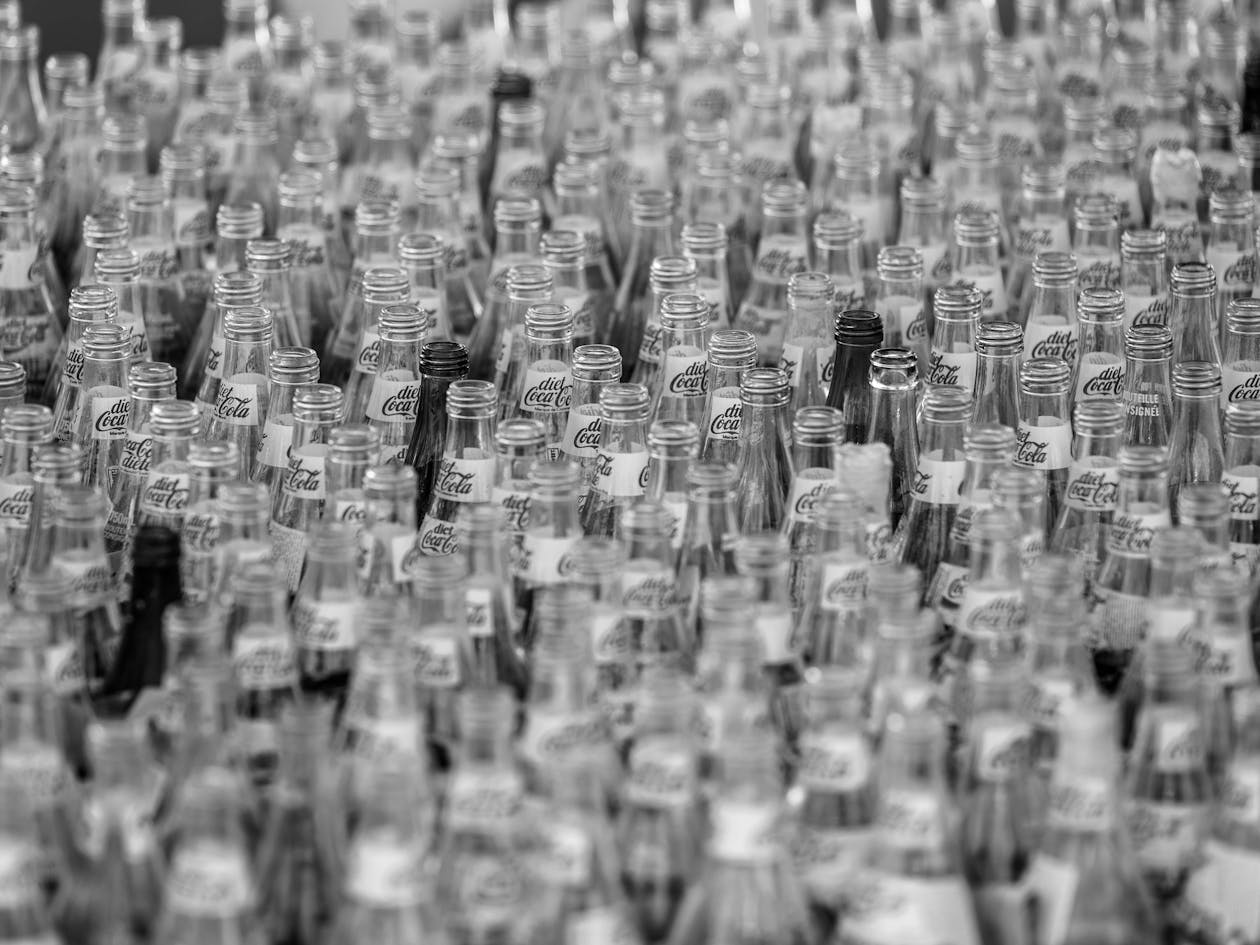
You switched to glass bottles years ago, convinced they offered a healthier alternative to plastic. Every time you grabbed a glass bottle of water, soda, or beer, you felt confident you were making the right choice for your health. Glass seemed pure, natural, free from the chemicals and particles that plagued plastic containers. Scientists at France’s food safety agency just discovered something that will shock millions who made the same switch. Glass bottles contain significantly more microplastics than plastic bottles for most beverages. Researchers expected the opposite result and spent months figuring out where all those plastic particles were coming from. What they found hiding on bottle caps could change how beverage companies package their products forever.
What French Researchers Discovered About Glass Bottles
Scientists at ANSES, France’s food safety agency, analyzed water, soft drinks, beer, and wine sold across France. They tested beverages in glass bottles, plastic bottles, metal cans, and other containers to measure microplastic contamination in each.
Results stunned the research team. Glass bottles of soft drinks, lemonade, iced tea, and beer contained an average of around 100 microplastic particles per liter. Plastic bottles and metal cans of the same beverages had five to 50 times less contamination.
Iseline Chaib, the PhD student who conducted the research, told reporters they expected the opposite result. Everyone assumes glass provides cleaner, purer storage than plastic. Data showed otherwise for most beverages tested.
Water showed relatively low microplastic levels regardless of container type. Flat and sparkling water in glass bottles averaged 4.5 particles per liter, while plastic bottles contained 1.6 particles per liter. Both numbers remained quite low compared to other beverages.
Wine also contained few microplastics, even in glass bottles with caps. Researchers noted this discrepancy but couldn’t immediately explain why wine behaved differently than other drinks in glass containers.
Soft drinks told a different story. Cola averaged around 30 microplastics per liter across all container types. Lemonade reached 40 particles per liter. Beer topped the charts at around 60 microplastic particles per liter in glass bottles.
Guillaume Duflos, research director at ANSES, explained that his team sought to investigate microplastic quantities in different drink types and examine how different containers impact contamination levels. Nobody expected glass to perform worse than plastic.

Why Glass Contains More Plastic Particles
After analyzing particle shape, color, and polymer composition, researchers noticed a pattern. Microplastics from glass bottles matched the paint on bottle caps almost perfectly. Same shape, same color, same plastic polymer type.
Close examination of metal bottle caps revealed tiny scratches on the outer painted surface, invisible to the naked eye. Friction between caps during storage and transportation likely created these scratches. Paint flakes from damaged areas then transferred onto cap surfaces touching the beverage.
Every time someone opens a bottle, more paint particles can break free and fall into the liquid. Bottles sitting in warehouses, trucks, and store shelves rub against each other constantly. Each friction point creates more microscopic scratches that shed plastic paint particles.
Cola in glass bottles with painted metal caps averaged 103.4 microplastic particles per liter. The same brand cola in plastic bottles contained only 2.1 particles per liter. Metal cans held 3.4 particles per liter. Glass bottles had roughly 50 times more contamination than plastic alternatives.
Lemonade showed similar patterns. Glass bottles averaged 111.6 particles per liter compared to 1.5 particles in plastic bottles and 10.9 in cans. Beer in small glass bottles reached 133.7 particles per liter, while cans contained 31.8 particles per liter.
Analysis confirmed that polyester dominated the plastic types found in glass bottles. Paint on metal caps contains polyester resins. Plastic bottles showed different polymer profiles, confirming contamination sources differed by container type.
Wine provided the smoking gun evidence. Wine bottles use cork stoppers rather than painted metal caps. Wine in glass bottles showed low microplastic levels similar to water, proving caps caused the problem rather than glass itself.
Which Drinks Had the Highest Contamination
Beer in small glass bottles topped contamination charts at 133.7 microplastic particles per liter. Small bottles have proportionally more cap surface area per volume of liquid compared to larger bottles. More cap contact means more opportunity for paint particles to enter beverages.
Large glass beer bottles contained significantly less contamination at 32.8 particles per liter. Volume matters when calculating particles per liter. Larger bottles dilute cap contamination across more liquid.
Lemonade in glass bottles came second at 111.6 particles per liter. Cola in glass bottles followed at 103.4 particles per liter. Iced tea in a glass reached 86.3 particles per liter.
Acidic beverages like cola and lemonade may interact differently with cap paint than neutral drinks. Lower pH could accelerate paint degradation, releasing more particles. However, researchers didn’t specifically test this hypothesis.
Carbonation might also play a role. Pressure inside carbonated beverage bottles could force more contact between liquid and cap surfaces. Each time pressure fluctuates, paint particles might break free more easily.
Metal cans showed moderate contamination levels between plastic bottles and glass bottles. Cans have painted interiors but lack the metal cap friction problem. Internal can coatings shed some particles but far fewer than bottle caps.
Brick containers and bag-in-box packaging showed variable results depending on beverage type. Wine in brick containers had higher contamination (30.0 particles per liter) than wine in glass bottles with corks (5.3 particles per liter).
Simple Solutions Already Exist
ANSES tested a cleaning method that dramatically reduced contamination. Researchers blew caps with compressed air, then rinsed them with water and alcohol before bottling. This simple process reduced contamination by 60 percent.
Beverage manufacturers could easily implement this cleaning step in their production lines. Equipment needed already exists in most facilities. Cost per bottle would increase minimally while providing significant health benefits.
Alternative cap designs could eliminate the problem entirely. Caps without outer paint or with different coating materials wouldn’t shed particles. Some beverage companies already use unpainted metal caps for certain products.
Cork stoppers, as used in wine bottles, avoid the painted metal cap problem completely. Synthetic corks made from plastic-free materials could work for other beverages, though carbonated drinks require stronger seals.
Plastic caps on glass bottles present another option. Ironically, plastic caps might contaminate less than painted metal ones, though this requires testing to confirm. Cap design matters more than cap material.
Consumer awareness will drive industry changes. Once people understand painted metal caps cause contamination, they’ll demand better solutions. Market pressure often moves faster than regulation.

Health Implications Remain Unclear
No reference level exists for toxic amounts of microplastics in beverages. Scientists cannot yet say whether 100 particles per liter represents a health risk or remains within safe exposure limits.
Research on microplastic health effects continues expanding rapidly. Studies detect these tiny particles throughout human bodies, from blood to organs to placental tissue. Presence doesn’t automatically mean harm, but concerns grow as exposure evidence accumulates.
Some plastics contain or absorb toxic chemicals that could leach into body tissues. Bisphenols, phthalates, and other additives in plastic materials raise health concerns. Microplastics might act as vehicles delivering these chemicals throughout the body.
Particle size matters for health effects. Smaller particles cross biological barriers more easily, potentially reaching cells and organs larger particles cannot access. Most particles in this study measured between 30 and 500 micrometers.
Direct evidence linking microplastic exposure to specific health problems in humans remains limited. Animal studies show various effects including inflammation, oxidative stress, and organ damage. Human health effects require more research to establish clear connections.
Children may face higher risks than adults. Smaller body sizes mean higher exposure concentrations per body weight. Developing organs and systems could prove more vulnerable to disruption than mature adult tissues.
Pregnant women have additional concerns. Microplastics cross placental barriers, exposing developing fetuses. Long-term effects on fetal development remain unknown but warrant precautionary approaches.
My Personal RX on Reducing Microplastic Exposure from Beverages
Microplastics infiltrate our bodies through multiple routes every single day, but beverages represent one source you can control immediately. Making smart choices about drink containers, supporting your body’s natural detoxification systems, and reducing overall plastic exposure will protect your long-term health. Small changes compound over time into significant reductions in toxic burden. You cannot eliminate all microplastic exposure in our modern world, but you can minimize unnecessary sources starting with the bottles you choose. Take action today to protect yourself and your family from avoidable contamination.
- Choose Plastic or Cans Over Glass with Painted Caps: Based on this research, plastic bottles and metal cans contain significantly less microplastic contamination than glass bottles with painted metal caps. Make the counterintuitive choice and select plastic or cans for soft drinks, beer, and other beverages until manufacturers fix the cap problem.
- Select Wine and Water in Any Container: Wine and plain water showed low microplastic levels regardless of packaging type. Feel confident choosing glass, plastic, or other containers for these beverages without worrying about excessive contamination from caps.
- Pour Drinks Into Glasses Before Consuming: Don’t drink directly from bottles with painted caps. Pour beverages into clean glasses first, leaving any cap-related particles behind in the bottle. This simple habit immediately reduces your microplastic intake from contaminated bottle openings.
- Rinse Bottle Tops Before Opening: Run water over bottle caps and necks before opening them. Rinsing washes away loose paint particles sitting on cap surfaces or bottle threads. Let bottles dry before opening to avoid diluting your beverage.
- Prioritize Quality Sleep for Detoxification: Your liver and kidneys work hardest during deep sleep to process and eliminate environmental toxins including microplastics. Sleep Max contains magnesium, GABA, 5-HTP, and taurine that promote restorative REM sleep, giving your detoxification organs optimal conditions to clear contaminants from your system.
- Install Home Water Filtration Systems: Quality water filters remove microplastics along with other contaminants before they reach your glass. Activated carbon and reverse osmosis systems provide thorough filtration. Clean water at home eliminates one major source of daily microplastic exposure.
- Fill Nutritional Gaps After 40: Your body needs extra support to handle increasing environmental toxin loads as you age. The 7 Supplements You Can’t Live Without is a free guide explaining which nutrients support detoxification, the key supplements that restore optimal function, and how to identify quality products that deliver real results.
- Demand Better Packaging from Manufacturers: Contact beverage companies requesting unpainted caps or alternative closure systems. Share this research with friends and family. Consumer pressure drives industry changes faster than regulation. Vote with your wallet by choosing brands that prioritize cleaner packaging solutions.
Source: Chaïb, I., Doyen, P., Merveillie, P., Dehaut, A., & Duflos, G. (2025). Microplastic contaminations in a set of beverages sold in France. Journal of Food Composition and Analysis, 144, 107719. https://doi.org/10.1016/j.jfca.2025.107719







 Subscribe to Ask Dr. Nandi YouTube Channel