


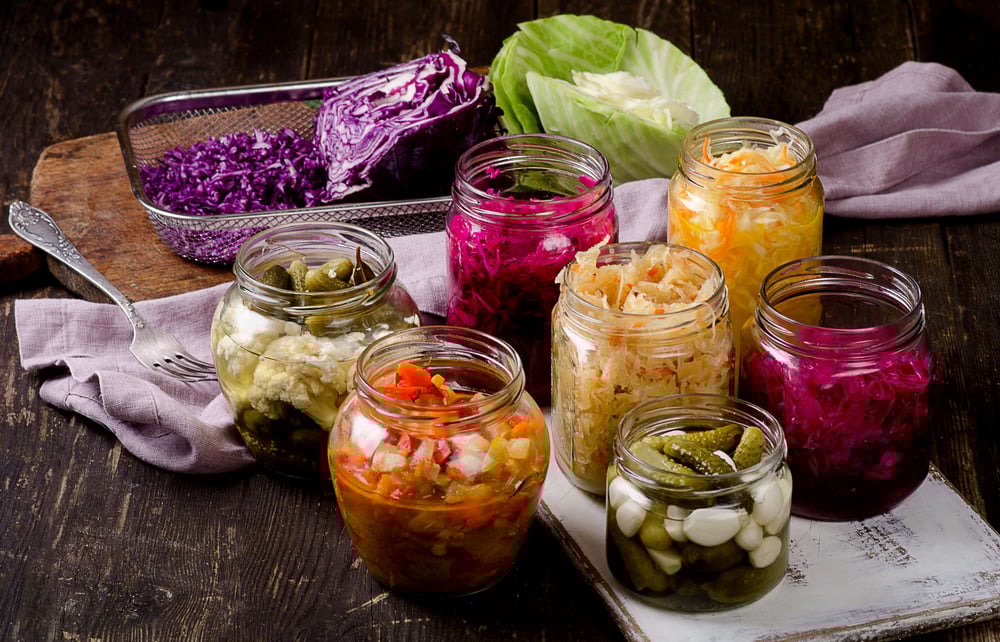
What if a simple bowl of yogurt or a serving of kimchi could calm inflammation and restore balance in your gut? According to groundbreaking research from Stanford University, it just might. In a 2021 study published, researchers discovered that eating six servings of fermented foods each day led to significant reductions in inflammation within just ten weeks. The findings surprised even the scientists themselves and could reshape how we think about diet, immunity, and the microbiome.
The Study That Changed How We See Fermented Foods
Stanford researchers designed this as a randomized, prospective clinical trial to test two microbiota targeted eating patterns head to head in healthy adults. Over 17 weeks, 36 participants completed a run in period, then followed a 10 week dietary phase, and then returned to their usual eating patterns for a 4 week follow up while the research team continued to track changes. Rather than relying on food diaries alone, the investigators repeatedly collected stool and blood samples at multiple time points to capture both microbiome shifts and immune system signals as the diets progressed.
Participants were assigned to either a high fiber plan or a fermented food plan, and both were structured to increase intake gradually to make the change realistic and to reduce digestive discomfort. In the fermented food group, the target was to build up to six daily servings across a variety of fermented items, allowing the researchers to evaluate whether a higher intake produced stronger biological effects. In the high fiber group, participants increased plant based fiber sources with the same careful ramp up, which allowed the team to compare two common gut focused strategies under similar conditions.
What made this trial especially useful is that it paired microbiome sequencing data with detailed immune profiling. The team measured inflammatory proteins in the blood and assessed immune cell activation states, so the outcomes were not limited to symptom reports or microbiome snapshots. They also examined stool for evidence of how well dietary carbohydrates were being processed, which helped explain why some participants responded differently to fiber. Because the study was relatively small and involved generally healthy people, it does not answer every question about long term disease outcomes, but it does provide a clear, biologically grounded look at how quickly diet can influence immune signals when the microbiome is targeted in a specific way.

Why Fermented Foods Outperformed Fiber
A key reason the two diets separated in their results comes down to readiness. Many people assume that adding more fiber automatically feeds beneficial microbes and leads to quick improvements, but that only works if your gut already has enough fiber degrading species to do the job. In this trial, the high fiber group increased legumes, whole grains, nuts, seeds, fruits, and vegetables, yet the microbiome did not shift in a consistent way over the intervention window. The researchers observed that responses clustered into different patterns that lined up with each person’s starting microbiome, suggesting that baseline diversity and function can determine whether fiber produces measurable change in the short term.
Stool testing helped explain the limitation. Investigators detected signs that a portion of the added carbohydrates was passing through without being fully fermented, which implies that microbial capacity could not keep pace with the increased fiber load. The body can only benefit from fiber’s microbial byproducts when bacteria are able to break complex carbohydrates down efficiently. When that capacity is low, increasing fiber may still be healthful, but it may not translate into rapid immune or microbiome shifts that show up during a brief study.
There was also evidence that the microbiome was attempting to adapt even when overall community diversity did not move. The researchers reported increases in microbiome encoded carbohydrate active enzymes involved in processing complex carbohydrates. That finding points to functional adjustment happening beneath the surface, even if the broader ecosystem was slow to change. One practical implication is that some people may need more time, a slower ramp, or a more individualized approach for a higher fiber plan to produce visible microbiome outcomes.
In contrast, fermented foods deliver a different input to the gut environment. Instead of relying solely on the microbes you already have to respond to a new substrate, fermented foods bring in living microbes and fermented metabolites that can influence the gut ecosystem immediately. That difference matters in industrialized settings where repeated antibiotic exposure, highly processed diets, and other modern pressures may reduce the abundance of key fiber degrading organisms over time. In that context, fermented foods can function as a more direct way to support a gut ecosystem that has lost some of its flexibility.
How Fermented Foods Lower Inflammation
Fermented foods can reduce inflammatory signaling through a mix of microbial and biochemical effects that begin in the gut and ripple outward to the immune system. During fermentation, bacteria and yeasts partially break down proteins and carbohydrates, creating smaller compounds that are often easier to digest and that can interact with immune cells in the intestinal lining. Many fermented foods also contain lactic acid and other organic acids that can influence the local gut environment, including pH, which can shape which microbes are able to thrive. This matters because immune cells are constantly sampling the gut, and the signals they receive from microbes and food derived compounds help determine whether they stay calm or shift into an activated, inflammatory state.
Another likely pathway involves metabolites produced by gut microbes when they process components of fermented foods and the rest of the diet. These metabolites can act as messengers that support the integrity of the gut barrier, the thin lining that separates the contents of the intestines from the bloodstream. When that barrier is supported, fewer inflammatory triggers such as bacterial fragments are able to cross into circulation. When the barrier is compromised, immune cells may respond as if the body is under threat, which can drive low grade inflammation over time. By influencing barrier function and immune training at the mucosal surface, fermented foods may help reduce the background immune noise that keeps inflammatory proteins elevated.
Fermented foods may also affect how immune cells behave by changing the balance of microbial signaling molecules that interact with receptors on intestinal and circulating immune cells. These signals can influence whether immune responses lean toward tolerance and repair or toward activation and escalation. Over time, this can shift the immune system toward a less reactive baseline, which aligns with the study’s observation of reduced immune cell activation alongside lower inflammatory proteins. These mechanisms are still being mapped in detail, but the overall picture is consistent with a gut first route to calmer immune function that begins with how food shapes microbial activity and the messages that microbes send to the body.
The Top Fermented Foods That Helped Participants
The fermented foods used in the Stanford study were everyday items rather than specialty products. What mattered most was regular intake across a range of fermented foods, which increased exposure to different microbes and fermentation byproducts. Below are the primary foods participants consumed, along with why each mattered.
- Yogurt: Yogurt was one of the most commonly consumed foods in the study. When made with live and active cultures, it delivers Lactobacillus and Bifidobacterium strains that interact directly with the gut lining. Regular intake supports digestive function and helps guide immune signaling at the intestinal surface.
- Kefir: Kefir provided a broader microbial profile than yogurt. As a fermented milk drink, it contains multiple bacterial strains and beneficial yeasts that are less common in standard diets. This diversity may help support gut barrier integrity and introduce functions that are often reduced in industrialized eating patterns.
- Kimchi: Kimchi contributed lactic acid producing bacteria along with bioactive compounds from fermented vegetables. These bacteria can survive passage through the digestive tract and interact with resident microbes, while the vegetable components offer additional substrates for microbial metabolism.
- Sauerkraut: Sauerkraut supplied live cultures derived from fermented cabbage. Beyond its microbial content, it provided plant based compounds that microbes can further process, helping reinforce microbial activity while remaining easy to incorporate into daily meals.
- Kombucha: Kombucha added fermented tea to the diet, introducing organic acids and fermentation byproducts rather than fiber. Its value came from diversifying fermented inputs and influencing the gut environment in ways that differ from dairy or vegetable based ferments.
- Fermented Cottage Cheese: Fermented cottage cheese offered live cultures alongside a concentrated source of protein. This combination allowed participants to support microbial exposure while meeting protein needs, making it a practical option for regular consumption.
- Fermented Pickled Vegetables: Properly fermented pickled vegetables supplied additional live microbes when vinegar was not used. These foods expanded microbial variety and helped participants reach higher daily serving counts without relying on a single fermented food.
Researchers observed that participants who consumed higher amounts across multiple fermented foods experienced greater increases in gut microbial diversity than those who relied on fewer servings or less variety.

How Fiber and Fermented Foods Fit Together
Fiber remains an important part of long term gut and heart health, but its benefits depend on having a gut ecosystem that can respond to it. For people with lower microbial diversity, fermented foods may serve as a practical starting point by helping reintroduce beneficial microbes and improve the gut environment. Once that foundation is in place, fiber rich foods may be better utilized, allowing the microbiome to produce compounds that support metabolic and immune balance.
The Stanford findings suggest that fermented foods can create measurable changes within weeks, making them an accessible first step for people looking to calm inflammation through diet. Rather than viewing fiber and fermented foods as competing strategies, they may work best as complementary tools used in the right order. Consistent intake of fermented foods appears to prepare the gut for broader dietary changes, while fiber supports longer term resilience once microbial capacity improves. For individuals dealing with inflammation, digestive discomfort, or mood related symptoms, this approach offers a realistic path that begins with simple food choices and builds toward more lasting gut health.
My Personal RX on Cooling Inflammation and Healing the Gut
I have seen how inflammation drives everything from fatigue and poor sleep to chronic disease. The exciting news from Stanford confirms what holistic medicine has long observed. Your gut is one of the most powerful tools for calming inflammation naturally. Here is how you can start today.
- Add Fermented Foods Daily: Begin with yogurt or kefir at breakfast, kimchi or sauerkraut with lunch, and a glass of kombucha in the evening. Aim for six small servings each day.
- Support Gut Health During Sleep: Inflammation repair happens most effectively at night. I recommend Sleep Max, a gentle formula that supports deep, restorative sleep and helps the gut and immune system recover.
- Download The 7 Supplements You Can’t Live Without Free Guide: Learn how key nutrients like magnesium, omega 3 fatty acids, and probiotics work together to reduce inflammation and support gut integrity.
- Eat the Rainbow: Combine fermented foods with colorful vegetables and whole grains to provide prebiotic fiber that feeds healthy bacteria.
- Stay Hydrated: Water supports digestion and nutrient absorption, helping keep your microbiome active and balanced.
- Limit Processed Foods and Sugar: These foods feed harmful bacteria and promote inflammation. Focus on whole, living foods instead.
- Listen to Your Body: Track how you feel after adding fermented foods. More energy, fewer cravings, or improved digestion often appear within days.
- Practice Mindful Meals: Stress can undo your dietary efforts. Slow down, breathe, and eat without distractions to support digestion and reduce inflammation.
- Get Movement Every Day: Regular movement helps regulate immune activity and supports a healthy gut brain connection.
- Keep Learning: The science of the microbiome continues to evolve. Stay informed and engaged because your gut health is one of your most valuable assets for lifelong wellness.
Sources
- Wastyk, H. C., et al. (2021). Gut-microbiota-targeted diets modulate human immune status. Cell, 184(16), 4137–4153. https://pubmed.ncbi.nlm.nih.gov/34256014/
- Harvard Health Publishing. (2023). The gut-brain connection. https://www.health.harvard.edu/diseases-and-conditions/the-gut-brain-connection
- National Institutes of Health. (2022). Probiotics: What you need to know. https://www.nccih.nih.gov/health/probiotics-what-you-need-to-know






 Subscribe to Ask Dr. Nandi YouTube Channel