


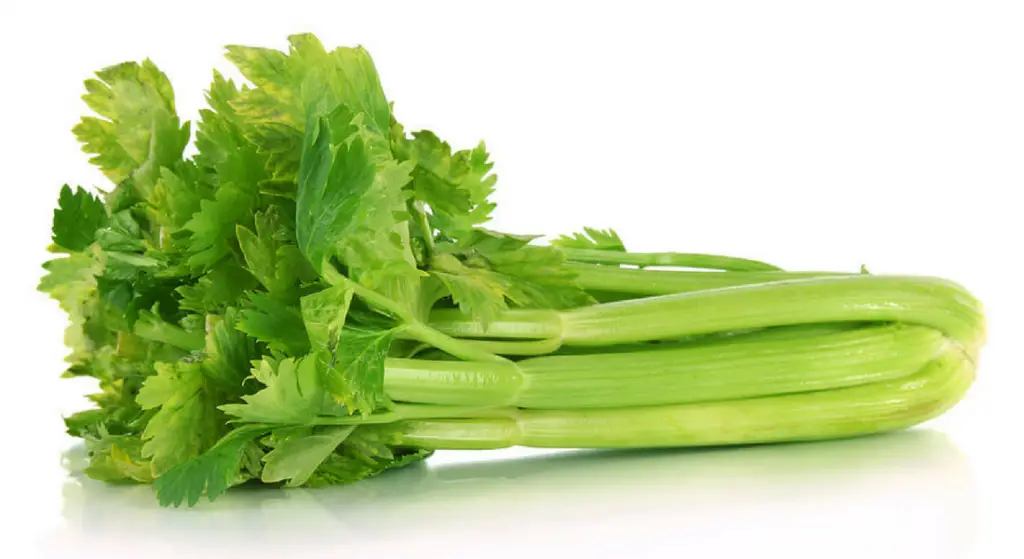
With the scientific name Apiumgraveolens, Celery belongs to the Apiaceae plant family. The health benefits of celery are due to the excellent sources of beneficial enzymes and antioxidants. It is loaded with minerals and vitamins such as folate, potassium, vitamin B6, vitamin C, and vitamin K.
Celery’s nutritional values and health benefits have been well studied. This vegetable has been used in culinary and folk medicine for centuries. Regular consumption of celery can help protect cardiovascular health. Moreover, celery’s inflammation-reducing and antioxidant properties make it an ideal food for patients with high cholesterol levels, and blood pressure, and heart disease. Celery also has numerous amazing benefits for skin, liver, eye, and cognitive health.
Nutritional Values and Health Benefits of Celery
Every part of celery, including the stalks, seeds, and leaves, is edible and rich in nutrients. Celery leaves are often added to soups and stir-fries. Celery seeds present in different forms, such as whole seed, ground, and extract, can give you beneficial health benefits. Crushed celery seeds can be used as a spice. Apiol, an oily compound in celery seeds, contributes to a distinctive flavor and medicinal uses. Celery is loaded with vitamin B6, calcium, vitamin C, potassium, vitamin A, folate, vitamin K, fiber, and protein.
Nutritional Info
Serving Size 0.5 Cup
Calories 8 % Daily Value*
Total Fat 0 g 0%
Saturated Fat 0 g 0%
Trans Fat 0 g
Cholesterol 0 mg 0%
Sodium 40 mg 2%
Potassium 0 mg 0%
Total Carbohydrate 1 g 0%
Dietary Fiber 1 g 4%
Sugar 1 g
Protein 0 g 0%
*Percent Daily Values are based on a 2,000-calorie diet. Your daily values may be higher or lower depending on your calorie needs.
Vitamin C 3%
Iron 0%
Vitamin B6 0%
Magnesium 0%
Calcium 2%
Vitamin D 0%
Cobalamin 0%
Vitamin A 5%

Top 10 Health Benefits of Celery
Here are 10 health benefits of celery:
Celery Can Lower Inflammation
Celery is loaded with polysaccharides and antioxidants. The antioxidants can cure free-radical damage that contributes to inflammation. Chronic diseases such as heart disease, cancer, or arthritis are caused by inflammation.
Celery has a dozen beneficial antioxidants such as ferulic acid, caffeinated, and quercetin. Celery is an effective home remedy for many inflammatory conditions, including liver and kidney infections, bout, joint pain, irritable bowel syndrome, skin disorders, and urinary tract infections. However, Super Greens also can help you for reducing inflammation.
Celery Can Reduce High Cholesterol
Regular consumption of celery is effective in reducing high cholesterol. You can add celery to your diet to help protect and improve heart health. 3-n-butylphthalide (BuPh), a unique compound in celery, has a lipid-lowering effect. Taking celery supplements can reduce lipoprotein cholesterol, total cholesterol, and triglyceride concentration. If you don’t like to have celery, then try Fiber Complete instead.
Celery Supports Healthy Blood Pressure
High blood pressure may increase the risk of coronary heart disease, which results in mortality—fortunately, several home remedies and natural treatments for high blood pressure. Celery seed extracts can treat high blood pressure because of their anti-hypertensive properties. Celery is loaded with potassium and calcium. And the muscle relaxant effect of celery can help to control blood pressure. Celery extract can improve your overall heart health.
Celery Can Help Prevent Liver Diseases
Celery is excellent liver-cleansing food. Regular consumption of celery can help protect kidney health and prevent liver diseases. Celery is high in vitamins C, B, and A and iron. Celery can remove toxins, wastes, and contaminants from your body by containing diuretic properties.
Celery Aids in Weight Loss
Celery is included in a list of foods for weight loss because it’s low in calories. Regular consumption of celery is one of my superfoods that can provide essential minerals, vitamins, and vital nutrients. It boosts lipid metabolism and is rich in electrolytes, antioxidants, potassium, B vitamins, and vitamin C.
Celery can help Fight Infections
Celery seeds contain antibacterial and antimicrobial properties and have been used to fight infections for centuries. Celery extract fights bacterial infections, improves the immune system, and inhibits bacterial growth.
Celery can Reduce Bloating and Improve Digestion
The diuretic effect of celery brings several digestive benefits. Eating celery can treat water retention, relieve bloating andboost digestion. Celery is effective in reducing blood pressure because it contains anti-hypertension properties.
Celery Reduces the Risk of Urinary Tract Infections
Celery can boost urine production and decrease uric acid; therefore, eating celery can help prevent bacterial infections within the digestive tract and reproductive organs. Like cranberries, celery is an effective home remedy for bladder disorders, urinary tract infections, kidney problems, and cysts on the reproductive organs.
Celery can Assist with Keeping Cancer in Bay
Celery is one of the cancer-protective vegetables, including fennel, carrots, parsnips, and parsley. It contains polyacetylenes which are chemoprotective compounds.
Polyacetylenes can remove toxins and help prevent cancer formation, especially intestinal cancer, breast cancer, and leukemia.
Polyacetylenes boost the immune system and inhibit the growth of cancer tumors. Moreover, polyacetylenes are well-known for their bioactivities such as antiplatelet-aggregatory, anti-inflammatory, antitumor, antibacterial, and cytotoxic properties.
Celery can help to Prevent Ulcers
Regular consumption of celery can help prevent and treat painful ulcers. A particular type of ethanol extract in celery effectively prevents the formation of ulcers in the lining of the digestive tract.
Celery contains tannins, flavonoids, alkaloids, and volatile oils that are beneficial chemical constituents of celery. These chemical constituents can nourish the colon, stomach, and intestines.
Celery Recipes: 3 Ways To Eat Celery
Here are some of my favorite recipes that include celery:
Fresh Apple-Celery Energy Juice
Ingredients:
- 3-4 celery stalks, including leaves
- 1/2 green apple
- 1-inch ginger root
- 1/2 bunch parsley, including stems
- 1/2 lemon, including skin
Instructions: Feed all ingredients into a juicer. Drink immediately.
Celery -Parmesan Salad
Source: Food Network
Ingredients:
- 1/2 cup good olive oil
- 2 teaspoons grated lemon zest
- 1/4 cup plus 1 tablespoon freshly squeezed lemon juice (3 lemons)
- 2 tablespoons minced shallots
- 1 teaspoon celery seed
- 1/2 teaspoon celery salt
- 1/2 teaspoon anchovy paste
- Kosher salt and freshly ground black pepper
- 5 cups thinly sliced celery hearts, tender leaves included, sliced on an angle (about 12 stalks)
- 4-ounce chunk aged Parmesan cheese
- 2/3 cup toasted walnuts, coarsely chopped
- Whole flat-leaf parsley leaves
Instructions:
- Prepare the salad ahead of time. Combine olive oil, lemon zest, lemon juice, shallots, celery seed, salt, anchovy paste, salt, and pepper.
- Place the celery in a mixing bowl and toss it with the remaining 1 tablespoon of lemon juice and 1/2 teaspoon of salt. (Even though these ingredients are in the dressing, believe me-this step makes a difference.)
- Add enough dressing to moisten well. Cover and refrigerate for at least an hour to allow the celery to crisp and the flavors to develop.
- When ready to serve, arrange the celery on a platter, shave the Parmesan onto the celery with a vegetable peeler, then sprinkle with walnuts, parsley leaves, salt, and pepper, and serve immediately.
Tropical Smoothie With Celery
Source: Real Simple
Ingredients:
- 2 cups frozen pineapple
- 2 cups peeled cucumber
- 1 cup celery, chopped
- 1 tbsp fresh basil
- 2 tsp lime juice
- 1 cup water
- pinch salt
- 1/2 cup ice
Instructions: Blend all ingredients in a high-power blender until smooth. Serve immediately.

Frequently Asked Questions About Celery
Will celery lower blood pressure?
Several studies show celery may help to lower blood pressure. In clinical trials, celery leaf extract helped lower participants’ cholesterol, triglycerides, LDL, and VLDL levels. Several animal studies also positively show that celery, celery seed, and celery leaf extract positively impact blood pressure. (1, 2, 3)
Will celery cause gas?
Raw celery may cause some excess gas. Cooking it slightly and chewing may help reduce this effect.
Will celery help me poop?
Celery contains a good amount of insoluble fiber, which helps to keep things in the digestive system moving along. Celery will most likely help you poop if you struggle with constipation and other fiber-rich foods.
Can celery be frozen?
Yes, but it will likely not be as crisp as fresh celery when thawed. If you want to save celery for cooking in soups, this is a good option. If you wish for crispy raw celery, you should buy it fresh.
Are celery leaves edible?
Yes, celery leaves are edible. They have many health benefits people don’t know about. Celery leaves contain reasonable amounts of calcium, vitamin E, magnesium, and iodine. If you consume the leaves and the stock, you will be getting significantly more nutrients than if you only eat the stalk.
Where is celery grown?
Celery grows wild in wet climates like Europe. It is also farmed throughout the world and grows well in many different warm temperatures as long as it has rich soil, plenty of water, and shade from the sun. You can even grow celery in pots on a patio or porch as long as they stay moist.
Which part of celery do we eat?
The entire celery plant is edible, although most people only eat the stalks.
Will celery grow back?
You can grow new celery from the base of a used stalk. Put the base in a shallow cup of water and put it on a window seal, adding more water as needed. You should see new celery stalks begin to grow from the base within a few days.
Can celery be eaten raw?
Yes, celery can be eaten raw. Raw vegetables can be more challenging to digest for some people. If you experience excess gas or digestive discomfort, try cooking them slightly before consuming them.
Celery is a simple and affordable vegetable that comes with many health benefits. Healthy food doesn’t have to be expensive or complicated.
Here is the updated section formatted as a numbered list.
My Personal RX on Cultivating a Balanced, Stress-Free Lifestyle
Following the theme of this article, creating a foundation of health doesn’t have to be complicated. The path to optimal well-being is a lifelong journey, and every step you take towards a healthier lifestyle counts. It’s not just about adding certain foods or supplements to your routine, but about building habits that support your body and mind holistically.
When you focus on the fundamentals—what you eat, how you move, and how you manage stress—you empower your body to thrive. Here are my personal recommendations to help you maintain a balanced diet, reduce stress, and optimize your health for the long haul.
- Embrace a Balanced Diet: A well-rounded diet full of fruits, vegetables, lean proteins, and whole grains is crucial for overall health. Including a variety of colorful foods in your meals ensures a broad spectrum of nutrients. Remember, simple additions like celery can provide great nutritional content and hydration to a balanced plate.
- Commit to Regular Exercise: Regular physical activity is a cornerstone of a healthy lifestyle. It can help manage your weight, strengthen your heart, improve your mood, and reduce stress. Aim for at least 30 minutes of moderate-intensity exercise, like brisk walking, on most days of the week.
- Get Out in Nature: Spending time outdoors can help lower stress and improve your mood. Whether you choose to take a walk in the park, garden, or just sit outside, the fresh air and natural light can do wonders for your mental health.
- Fill Nutrient Gaps for Steady Energy: Even with a great routine, it’s easy to miss out on vital nutrients. To help fill the most common nutrient gaps that start to show up after 40, I highly recommend the Core Four Bundle. It combines essential targeted supplements to keep your energy, digestion, and stress response steady and supported, giving your body exactly what it needs to function well now and stay strong over time.
- Incorporate Super Greens: When your busy schedule makes it hard to eat enough vegetables, adding a powdered supplement like Super Greens delivers the benefits of full-spectrum superfoods, keeping your antioxidant and cellular energy levels supported.
- Follow a Comprehensive Wellness Plan: For a structured approach to longevity and daily vitality, check out [Dr. Partha Nandi’s Protocol For Optimizing Your Health & Wellbeing]. It offers a powerful, comprehensive guide to living your best life by focusing on holistic health strategies that work.
- Optimize Cellular Energy: Chronic stress and aging can drain your physical stamina at a microscopic level. Adding CoQ10 supports cellular energy production, enhances physical vitality, and provides robust protection against oxidative stress and free radicals.
- Protect Your Heart and Mind: Ensuring you get enough essential fatty acids is vital for your body’s resilience against daily stressors. Taking an Omega-3 Fish Oil supplement provides excellent, holistic support for heart health and cognitive function.
- Prioritize Restorative Sleep: Quality sleep is non-negotiable for stress reduction and health optimization. Aim for 7 to 9 hours of uninterrupted sleep each night to allow your body and mind to properly repair, balance neurotransmitters, and recharge.
- Practice Daily Mindfulness: Take a few moments each day to center yourself. Whether it’s through deep breathing, gentle stretching, or simply pausing before a meal to express gratitude, mindfulness can significantly lower cortisol levels and improve your overall outlook.

Sources:
- The effect of hydro-alcoholic celery (Apiumgraveolens) leaf extract on cardiovascular parameters and lipid profile in animal model of hypertension induced by fructose – PMC (nih.gov)
- Antihypertensive effect of celery seed on rat blood pressure in chronic administration – PubMed (nih.gov)
- Anti-hypertensive Herbs and their Mechanisms of Action: Part I – PMC (nih.gov)