


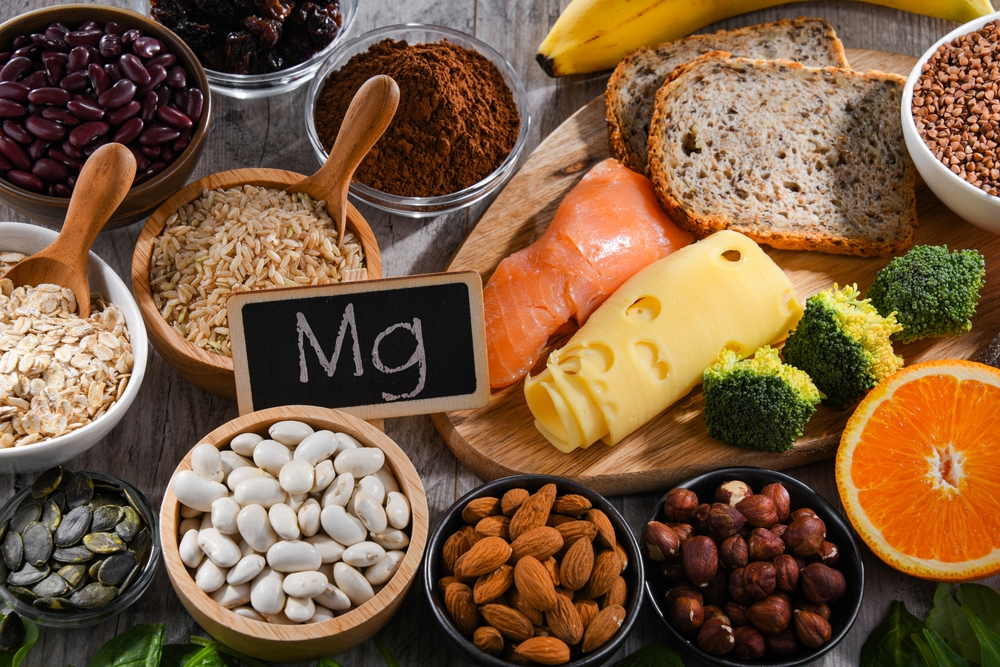
What if protecting your memory and focus didn’t require an expensive supplement or advanced therapy? The answer might already be on your plate. Magnesium, a mineral essential for hundreds of processes in your body, could be one of the strongest defenses against cognitive decline and dementia. Its role in maintaining nerve stability and supporting healthy cellular communication makes it indispensable for long-term cognitive performance and mental clarity.
New research shows that people who eat more magnesium-rich foods tend to have larger brain volumes and slower brain aging. The findings suggest that magnesium doesn’t just support your muscles and heart but also helps preserve your mind as you get older.
How Magnesium Keeps Your Brain Strong
Magnesium keeps your brain working efficiently by supporting communication between neurons, maintaining stable energy metabolism, and regulating electrical impulses. It helps your brain adapt to new information and recover from daily stress. Unlike other minerals, magnesium interacts directly with cell membranes, keeping them flexible and responsive. This flexibility allows neurons to send and receive messages quickly, improving focus and decision-making.
Magnesium also helps stabilize the brain’s internal environment. It balances calcium and potassium levels in nerve cells, preventing overstimulation that can lead to mental fatigue or cell damage. It assists in the production of adenosine triphosphate, the molecule that fuels every thought, movement, and reaction. With steady magnesium levels, brain cells generate energy more efficiently, which supports concentration and emotional stability.
Another key function of magnesium is its influence on hormone balance. It helps regulate cortisol and insulin, both of which affect memory and mood. Stable hormone levels support brain clarity, while irregular ones can cloud thinking or increase stress reactivity. By keeping hormones in check, magnesium contributes to emotional resilience and cognitive sharpness.

Finally, magnesium enhances the brain’s ability to remove waste products through improved circulation and detoxification. Efficient blood flow and cellular cleanup protect neurons from oxidative stress and help sustain long-term brain performance. Recent findings also indicate that magnesium influences gene expression related to antioxidant defense and synaptic repair, supporting the restoration of communication between brain cells. This ability to promote cellular resilience reinforces how magnesium contributes to sustained alertness and mental endurance, especially under demanding cognitive conditions.
Magnesium’s Role in Preventing Dementia
Magnesium appears to influence several biological processes that shape dementia risk over decades. Adequate intake supports the integrity of the blood brain barrier, which limits the passage of harmful molecules into brain tissue. A stable barrier reduces exposure to toxins and circulating inflammatory proteins that can accelerate neurodegeneration. Magnesium also affects the behavior of microglia, the brain’s immune cells. When magnesium status is low, microglia activate more readily and remain active longer, which can drive chronic injury to neurons. Restoring normal levels promotes a more measured immune response that protects tissue instead of damaging it.
Research points to effects on hallmark proteins of Alzheimer type pathology. Magnesium influences enzymes involved in amyloid beta production and clearance, and it interacts with signaling pathways that affect tau phosphorylation. Balanced activity in these pathways is associated with fewer abnormal protein deposits, which supports healthier memory networks. In parallel, magnesium helps maintain endothelial function in the small vessels that feed deep brain structures. Better vessel function is linked with fewer white matter lesions and a lower burden of small vessel disease, both of which track with slower cognitive decline.
Population studies suggest a dose response pattern, with the strongest structural and cognitive benefits appearing in people who consistently consume higher amounts of dietary magnesium beginning in midlife. Regular intake above typical dietary levels, often near five hundred to six hundred milligrams per day from food, is associated with larger brain volumes and a slower rate of age related atrophy. These observations align with clinical patterns in which people who meet or exceed recommended intakes tend to maintain attention, processing speed, and memory performance for longer periods.
The picture that emerges is practical. Maintain sufficient dietary magnesium over many years, protect the brain’s barriers and vessels, and you reduce the processes that lead to dementia. Evidence also suggests that magnesium affects mitochondrial efficiency in neurons, which helps sustain energy production as the brain ages. By preserving mitochondrial integrity, magnesium limits oxidative damage and supports efficient cellular signaling, creating an environment that delays the onset of age-related memory decline.
Are You Getting Enough Magnesium?
Many adults underestimate how easy it is to fall short on magnesium. The body cannot produce this mineral on its own, so daily intake from food is essential. Suboptimal levels can interfere with how the brain uses energy and how neurons communicate. People with consistently low intake often experience slower reaction times and lower resilience to stress. Even mild depletion can influence how well the brain handles tasks that require attention and memory.
Blood magnesium measurements may not always reflect what is happening inside cells, where most magnesium resides. This makes deficiency difficult to detect without symptoms. Factors that increase the body’s magnesium demand include aging, poor diet quality, chronic stress, and certain medications such as diuretics and proton pump inhibitors. Each of these can gradually reduce available magnesium stores, making the brain more vulnerable to fatigue and cognitive inefficiency.
The most reliable way to maintain adequate levels is through a balanced diet that supplies both magnesium and its cofactors like vitamin D and protein, which improve absorption. Foods such as leafy greens, whole grains, and legumes are excellent natural sources. Incorporating these into regular meals supports both baseline metabolic functions and long-term brain health. Unlike supplements taken intermittently, consistent dietary intake provides a steady supply that the nervous system can depend on.
When diet alone does not meet needs, professional evaluation can determine whether supplementation is appropriate. This approach ensures that magnesium intake aligns with individual health conditions and avoids unnecessary excess. Adequate hydration and nutrient variety enhance absorption and distribution to tissues that influence learning and memory. Sustaining this balance day to day can help the brain operate efficiently well into later life.

Lifestyle Habits That Help Magnesium Work Better
Magnesium functions best when supported by consistent, healthy routines that encourage absorption and balance. The way you live each day determines how efficiently your body uses this mineral. When habits support its natural rhythm, magnesium can reinforce both physical and mental resilience.
Quality sleep, regular activity, and balanced nutrition work together to help magnesium maintain brain and nerve health. A calm, well-rested body absorbs and utilizes nutrients more effectively than one under constant stress. Practicing relaxation techniques such as controlled breathing or mindfulness lowers the release of stress hormones that otherwise deplete magnesium stores. Sufficient rest at night allows the body to repair tissues and restore magnesium reserves that are consumed during waking hours.
Physical movement enhances circulation, which ensures magnesium and other nutrients reach neural tissue where they are needed. Light aerobic exercise or even walking helps regulate insulin and glucose metabolism, improving the mineral’s uptake. Choosing water and herbal teas instead of caffeine-laden drinks or alcohol preserves magnesium levels and promotes hydration, which aids in nutrient transport.
Maintaining a steady eating schedule is also helpful. Spacing meals evenly throughout the day supports consistent magnesium absorption and energy production. Combining magnesium-rich foods with sources of vitamin B6 and healthy fats can further improve how efficiently your body processes and stores the mineral. This coordinated approach turns simple daily actions into lasting protection for your brain’s structure and performance.
My Personal RX on Protecting Your Brain Through Better Nutrition
Many of my patients come to me worried about memory lapses or mental fatigue, not realizing how nutrition plays a part. Magnesium is one of the simplest ways to support your brain’s longevity. With small changes, you can strengthen your cognitive health and feel more energized each day.
Here’s how to put this knowledge into action:
- Add magnesium-rich foods to every meal. Mix spinach into your breakfast smoothie, snack on almonds, or try lentil soup for dinner.
- Use Sleep Max before bedtime. This natural formula helps you relax, improve sleep quality, and allow your brain to recover overnight.
- Download The 7 Supplements You Can’t Live Without free guide. It breaks down essential nutrients, including magnesium, that enhance energy and focus.
- Choose real foods. Processed snacks and refined sugars reduce magnesium absorption. Stick to whole foods for better results.
- Stay hydrated. Water improves magnesium absorption and helps flush out toxins that slow down brain function.
- Manage daily stress. Deep breathing or stretching between tasks can protect magnesium levels and reduce mental strain.
- Protect your sleep routine. Poor sleep speeds up brain aging. Create a nightly ritual that helps your mind unwind and restore balance.
- Drink alcohol in moderation. Alcohol interferes with magnesium uptake and can worsen memory loss over time.
- Get your magnesium levels checked. Ask your doctor if you often feel fatigued or have trouble concentrating.
- Stay curious about brain health. Continue learning about nutrients that support brain longevity and overall vitality.
By focusing on nutrition, rest, and mindfulness, you can slow down brain aging and keep your memory sharp well into the future.
Sources
- Li, H., et al. (2023). Magnesium intake and risk of mild cognitive impairment and dementia: A population-based study. Nutrients, 15(4), 889. https://pmc.ncbi.nlm.nih.gov/articles/PMC10349698/
- Zhao, B., et al. (2022). Dietary magnesium intake and cognitive function among older adults in the NHANES study. Frontiers in Nutrition, 9, 879654. https://pmc.ncbi.nlm.nih.gov/articles/PMC8804621/
- Kieboom, B. C., et al. (2024). Serum and dietary magnesium levels and brain aging: Associations with MRI and cognitive outcomes. Neurology, 102(12), e1892-e1903. https://pubmed.ncbi.nlm.nih.gov/41191668/
- Wang, X., et al. (2024). The role of magnesium ions in the pathogenesis and prevention of dementia: Mechanistic insights and therapeutic implications. Neurobiology of Disease, 190, 106229. https://www.sciencedirect.com/science/article/pii/S2324242624000019
- Sun, L., et al. (2025). Magnesium depletion score and cognitive function among adults: Findings from the National Health and Aging Trends Study. Nutritional Neuroscience, Advance online publication. https://pmc.ncbi.nlm.nih.gov/articles/PMC12537121/








 Subscribe to Ask Dr. Nandi YouTube Channel