


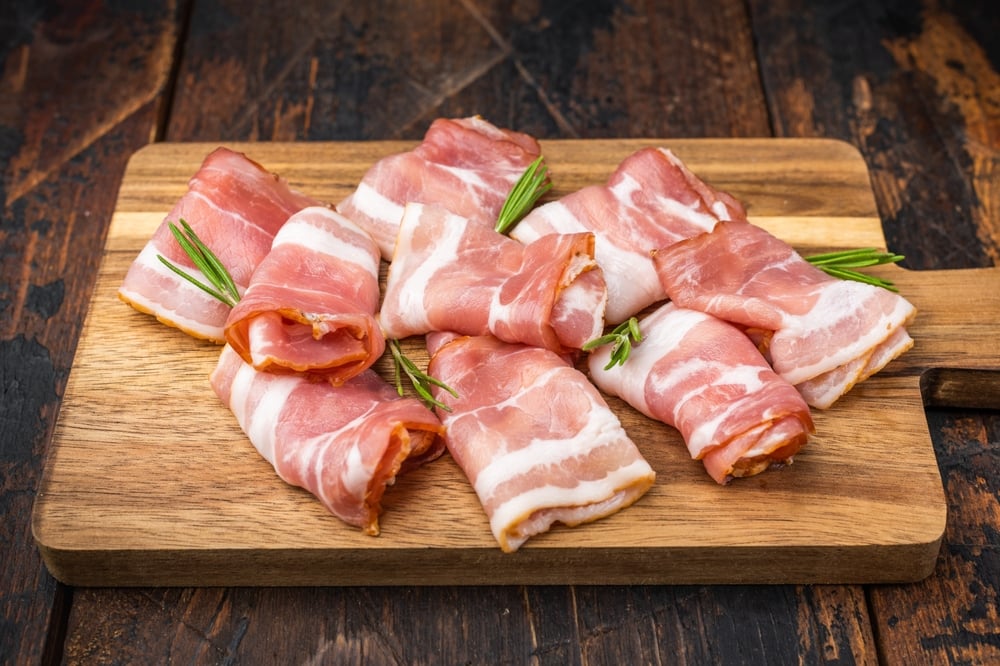
Crispy bacon sizzling in a pan on Sunday morning. Hot dogs at summer barbecues. Deli meat sandwiches packed for lunch. Ham sliced for holiday dinners. These foods feel like harmless traditions woven into American life, comfort foods that bring back childhood memories and family gatherings. Most people know eating too much processed meat probably isn’t great for health, similar to how eating too many cookies or drinking too much soda carries consequences. But few realize just how serious the health risks actually are. World Health Organization scientists spent years reviewing over 800 studies examining links between meat consumption and cancer. What they concluded in 2015 shocked millions of bacon lovers worldwide and sparked fierce debates that continue today. Their classification system doesn’t pull punches or soften findings with diplomatic language. Evidence either supports cancer causation or it doesn’t.
What Group 1 Classification Actually Means
International Agency for Research on Cancer operates within the World Health Organization and evaluates cancer risks from various substances. Their classification system ranks agents into groups based on the strength of evidence linking them to cancer in humans.
Group 1 designation means sufficient evidence proves an agent causes cancer. Scientists use this category only when research provides convincing proof that substances trigger cancer development in people. Evidence usually comes from epidemiological studies tracking cancer rates in exposed populations over time.
World Health Organization placed processed meat into Group 1 in October 2015 after expert panels reviewed hundreds of studies. The same category includes tobacco smoking, asbestos exposure, alcohol consumption, and ultraviolet radiation. Seeing bacon listed alongside cigarettes understandably alarmed people.
However, Group 1 classification describes the strength of scientific evidence, not the level of danger. Being in the same category does NOT mean processed meat equals tobacco in terms of cancer risk. Tobacco multiplies cancer risk by up to 20 times, while processed meat increases colorectal cancer risk by roughly 18 percent for each 50-gram daily portion.
Approximately 34,000 cancer deaths worldwide each year are attributed to diets high in processed meat, according to the Global Burden of Disease Project. Compare that to about 1 million annual cancer deaths from tobacco smoking, 600,000 from alcohol consumption, and over 200,000 from air pollution. The scale of harm differs dramatically, even though the evidence strength warrants the same classification.
Dr. Kurt Straif from IARC explained that for individuals, the risk of developing colorectal cancer from processed meat consumption remains small. Risk increases with the amount consumed, though, and because so many people worldwide eat processed meat regularly, the global public health impact becomes significant.

How Processed Meat Differs From Red Meat
Red meat refers to all mammalian muscle meat, including beef, veal, pork, lamb, mutton, horse, and goat. Most people correctly identify beef and lamb as red meat, but wrongly assume pork counts as white meat. Nutritionally and scientifically, pork is red meat despite industry marketing calling it “the other white meat.”
Processed meat means meat transformed through salting, curing, fermentation, smoking, or other processes that enhance flavor or improve preservation. Most processed meats contain pork or beef, though they may include other red meats, poultry, organ meats, or meat byproducts like blood.
Examples include hot dogs, ham, sausages, corned beef, bacon, beef jerky, salami, pepperoni, pastrami, and canned meat. Meat-based sauces and preparations count too. Essentially, if meat underwent processing beyond simple freezing or mechanical mincing, it qualifies as processed.
Red meat earned Group 2A classification, meaning probably carcinogenic to humans. Evidence from epidemiological studies shows positive associations between eating red meat and developing colorectal cancer, supported by strong mechanistic evidence about how it might cause cancer. Limited evidence means positive associations exist, but other explanations like chance, bias, or confounding factors cannot be ruled out completely.
Red meat links most strongly to colorectal cancer, with additional evidence connecting it to pancreatic and prostate cancers. If associations prove causal, diets high in red meat could cause approximately 50,000 cancer deaths annually worldwide.
Why These Meats Cause Cancer
Several chemicals in red and processed meats, both added and naturally occurring, make these foods carcinogenic. Understanding mechanisms helps explain why processing makes meat more dangerous than eating it fresh.
Haem iron exists naturally in red meat. When gut bacteria break down haem, they form N-nitroso chemicals that damage the cells lining the bowel. Damaged cells can develop into cancer over time. The same N-nitroso chemicals form when your body digests processed meat.
Nitrite and nitrate preservatives added to processed meat produce additional N-nitroso compounds. Food manufacturers use these preservatives to prevent bacterial growth that causes food poisoning and to maintain an attractive pink color in cured meats. Without nitrites and nitrates, processed meats would turn unappetizing gray and spoil faster.
Kate Allen, executive director of science and public affairs at World Cancer Research Fund, explained that nitrates and nitrites themselves aren’t necessarily carcinogenic. Their interaction with proteins in red meat, especially amino acids, creates problems. When cooked at high temperatures, nitrites easily form nitrosamines, the actual cancer-causing compounds.
Cooking methods matter too. High-temperature cooking or placing food in direct contact with flames or hot surfaces, like barbecuing or pan-frying, produces polycyclic aromatic hydrocarbons and heterocyclic aromatic amines. Both are types of carcinogenic chemicals. However, insufficient data prevent IARC from concluding whether cooking methods affect cancer risk.
Heterocyclic amines form specifically when meat is cooked at high heat. Charred or well-done meat contains more of these compounds than meat cooked at lower temperatures. Grilled bacon, seared steaks, and charred burgers all carry higher concentrations of these carcinogens.
How Much Processed Meat Raises Cancer Risk
Numbers help put risks into perspective. Every 50-gram portion of processed meat eaten daily increases colorectal cancer risk by approximately 18 percent. Fifty grams equals about two slices of bacon, one hot dog, or a few slices of deli meat.
Someone eating processed meat sandwiches for lunch five days weekly consuming roughly 50 grams each time, facesan 18 percent higher colorectal cancer risk than someone who eats no processed meat. A person eating 100 grams daily doubles that risk increase.
For red meat, every 100-gram portion eaten daily could increase colorectal cancer risk by 17 percent if associations prove causal. One hundred grams equals a small hamburger patty or a modest steak portion. Most restaurant steaks far exceed this amount.
Studies examined in the UK Biobank research showed moderate consumption of red and processed meat, approximately 79 grams daily, resulted in a 32 percent increased colorectal cancer risk compared to diets with less than 11 grams daily. That 79-gram amount equals roughly one large breakfast sausage plus two bacon strips, or a typical fast-food burger patty.
Colorectal cancer represents the strongest and most consistent link. Processed meat consumption also shows associations with stomach cancer, though evidence remains less conclusive. Red meat consumption connects positively with pancreatic and prostate cancers as well.
Risk increases withthe amount consumed. No data allowed scientists to conclude whether safe levels exist. More meat means more risk without an apparent threshold below which risk disappears.
What Health Organizations Recommend
American Institute for Cancer Research recommends avoiding processed meats altogether and eating no more than 18 ounces of cooked red meat weekly. That breaks down to roughly three 6-ounce portions spread across seven days or smaller portions more frequently.
Cancer Council suggests eating no more than one serving of lean red meat daily or two servings 3-4 times weekly. One serving equals 90-100 grams raw or 65 grams cooked, about the size of a deck of cards. Recommendations urge cutting out processed meats completely or keeping them to an absolute minimum.
Official United States government dietary guidelines recommend limiting meat consumption. Moderate evidence suggests associations between increased processed meat intake and increased colorectal cancer and cardiovascular disease risk. Guidelines had been advising restraint since at least 2002 based on earlier studies.
World Health Organization reinforced its 2002 recommendation that people who eat meat should moderate processed meat consumption to reduce colorectal cancer risk. Some dietary guidelines also limit red meat or processed meat intake, mainly focused on reducing fat and sodium for cardiovascular health and obesity prevention.
IARC itself does not make health recommendations. As a research organization, it evaluates evidence about cancer causes but leaves policy decisions to national governments and health agencies. IARC findings providean authoritative scientific foundation that governments use when developing nutritional guidelines.
Individuals concerned about cancer could consider reducing red meat or processed meat consumption. Many people wonder whether they should become vegetarians or switch exclusively to poultry and fish. Vegetarian diets offer different advantages and disadvantages compared to meat-containing diets. Poultry and fish were not evaluated in these cancer risk assessments.
My Personal RX on Reducing Processed Meat Cancer Risk
Bacon and processed meats taste good, and nobody wants to hear their favorite foods cause cancer. Evidence leaves no room for doubt, though. World Health Organization classification asa Group 1 carcinogen means scientists found convincing proof that processed meat causes cancer, specifically colorectal cancer. You cannot undo decades of consumption, but you can make different choices starting today that reduce future risk. Small changes compound over time into significant risk reduction. Your body can heal and repair when you stop exposing it to daily carcinogens. Take action now to protect yourself from preventable cancers.
- Eliminate Processed Meat From Your Diet: Stop buying bacon, ham, hot dogs, sausages, deli meat, and other processed meats. Evidence shows even small amounts increase cancer risk. Going cold turkey works better than gradual reduction because you break habitual consumption patterns immediately.
- Limit Red Meat to Three Small Servings Weekly: Keep red meat portions to 90-100 grams (deck of cards size) and eat no more than three times per week. Choose lean cuts, trim visible fat, and avoid cooking at high temperatures that create additional carcinogens through charring.
- Choose Poultry and Fish Over Red Meat: When eating animal protein, select chicken, turkey, or fish instead of beef, pork, or lamb. These alternatives provide complete protein with lower cancer risks and beneficial nutrients like omega-3 fatty acids.
- Never Char or Burn Your Meat: Cook at lower temperatures using methods like baking, steaming, or slow cooking rather than grilling or pan-frying at high heat. Remove any blackened or charred portions before eating since these contain concentrated carcinogens.
- Prioritize Sleep for Cellular Repair: Your body repairs DNA damage and eliminates toxins during deep sleep cycles. Sleep Max contains magnesium, GABA, 5-HTP, and taurine that promote restorative REM sleep, giving your cells optimal time to repair damage from dietary carcinogens and other environmental exposures.
- Fill Nutritional Gaps That Increase Cancer Risk: Nutrient deficiencies impair your body’s ability to repair DNA damage and fight cancer cell development. The 7 Supplements You Can’t Live Without is a free guide explaining which nutrients protect against cancer, the key supplements that restore optimal levels, and how to identify quality products.
- Read Labels to Identify Hidden Processed Meat: Processed meat hides in pizza toppings, pasta sauces, canned soups, frozen meals, and restaurant dishes. Read ingredient lists carefully and ask restaurants about meat in prepared foods. Nitrites and nitrates appear as sodium nitrite or sodium nitrate on labels.
- Get Screened for Colorectal Cancer: If you have eaten processed meat regularly for years, talk with your doctor about colorectal cancer screening. Early detection dramatically improves survival rates. Colonoscopies find and remove precancerous polyps before they become cancerous.
Source: Knuppel, A., Papier, K., Fensom, G. K., Appleby, P. N., Schmidt, J. A., Tong, T. Y. N., Travis, R. C., Key, T. J., & Perez-Cornago, A. (2020). Meat intake and cancer risk: prospective analyses in UK Biobank. International Journal of Epidemiology, 49(5), 1540–1552. https://doi.org/10.1093/ije/dyaa142







 Subscribe to Ask Dr. Nandi YouTube Channel