


Mental Health

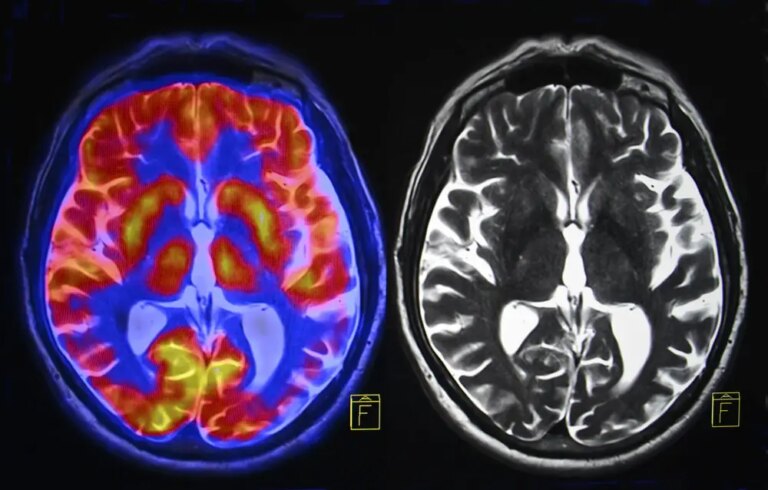
Mental health refers to our emotional well-being and how we manage our thoughts, feelings, and behaviour. It is important to have a healthy mental approach to life and to manage stress in order to maintain mental health. Maintaining a healthy mental approach to life means accepting that life isn’t perfect and that you won’t get everything you want. It also means being open to new experiences and trying new things even if you’re afraid. Managing stress means recognizing when you’re feeling stressed and taking steps to reduce that stress. Everyone experiences stress, and that’s not necessarily a bad thing. Stress can be helpful because it can motivate you to take action and push you to exceed your limits. However, too much stress can have negative consequences on your mental health.

Former Cannabis User Reveals Life Changes After Quitting Weed
| | |

Former Cannabis User Reveals Life Changes After Quitting Weed

Dorian spent years trapped in a cannabis addiction that started during his teenage years. After quitting for six months, he noticed profound changes in mental clarity, motivation, physical health, and emotional well-being that convinced him to share his recovery journey on YouTube. Meanwhile, Danish researchers tracked 5,162 men over 44 years to understand how cannabis…

When a Hair-Loss Pill Hurts More Than It Helps: The Mental Health Risks of Finasteride
| |

When a Hair-Loss Pill Hurts More Than It Helps: The Mental Health Risks of Finasteride

For millions of men, hair loss can feel like a silent struggle that erodes self confidence and identity over time. In that search for a solution, finasteride has long been promoted as a safe, effective fix. But new research suggests that what begins as a cosmetic decision could lead to devastating consequences for mental health….

Brain Cell Energy Problems Could Unlock Mental Illness Secrets
| | |

Brain Cell Energy Problems Could Unlock Mental Illness Secrets

Mental illness may start with power failures inside brain cells rather than chemical imbalances between them. Harvard psychiatrist Dr. Bruce Cohen spent nearly five decades uncovering how disrupted energy production drives conditions like schizophrenia, bipolar disorder, and Alzheimer’s disease. His team grows living brain cells from patient samples using stem cell technology, revealing metabolic defects…

Enhanced Vitamin K Could Help the Brain Heal Itself
| | |

Enhanced Vitamin K Could Help the Brain Heal Itself

Brain cells lost to Alzheimer’s and Parkinson’s disease might soon be replaceable. Japanese researchers created enhanced vitamin K compounds that regenerate neurons three times better than natural vitamin K. Unlike current medications that only mask symptoms, these new compounds actually trigger the brain to grow fresh neurons. Scientists at Shibaura Institute of Technology combined vitamin…

Breakthrough Research Reveals Exercise Can Actually Rewire Traumatized Brains
| | | | | |

Breakthrough Research Reveals Exercise Can Actually Rewire Traumatized Brains

Trauma doesn’t just leave emotional scars it physically reshapes brain circuits in ways that keep people trapped in cycles of fear and hypervigilance. Scientists have discovered that traumatic experiences shrink the hippocampus, the brain region responsible for memory formation and emotional regulation. Post-traumatic stress disorder affects nearly 4% of the global population, with symptoms including…

Touch-Starved Boys: Hidden Health Crisis Parents Must Know
| | |

Touch-Starved Boys: Hidden Health Crisis Parents Must Know

American boys face an invisible crisis that starts in childhood and follows them into adulthood: touch starvation. Research reveals that cultural expectations around masculinity systematically strip positive physical contact from boys’ lives, creating emotional and psychological consequences that can last decades. Studies show fathers touch children more during play, but both parents reduce physical affection…

Moderate Coffee Intake Protects Brain from Aging
| | | | | | | |

Moderate Coffee Intake Protects Brain from Aging

Coffee lovers have new reasons to celebrate their daily ritual. Groundbreaking research from the UK Biobank study involving 8,715 adults reveals that moderate coffee consumption significantly slows cognitive decline associated with aging. Scientists followed participants for over nine years and discovered that those drinking 1-3 cups daily maintained sharper thinking skills compared to both non-coffee…

Why Gen Z’s Bathroom Anxiety Matters More Than You Think
| | |

Why Gen Z’s Bathroom Anxiety Matters More Than You Think

For most of us, the workplace bathroom is more than just a functional space. It can be a source of anxiety, avoidance, and even shame. A recent survey found that 83% of Gen Z employees have experienced bathroom-related anxiety at work—serious enough that many consider leaving their jobs over it. While this may sound surprising,…

8 Signs You Lacked Affection Growing Up, Experts Say
|

8 Signs You Lacked Affection Growing Up, Experts Say

Childhood emotional neglect leaves invisible scars that often go unrecognized for decades. Adults who grew up without consistent affection, warmth, or emotional support develop distinct behavioral patterns that psychologists can now identify with remarkable accuracy. Research from the American Psychological Association shows these early experiences create templates for how we relate to ourselves and others…