


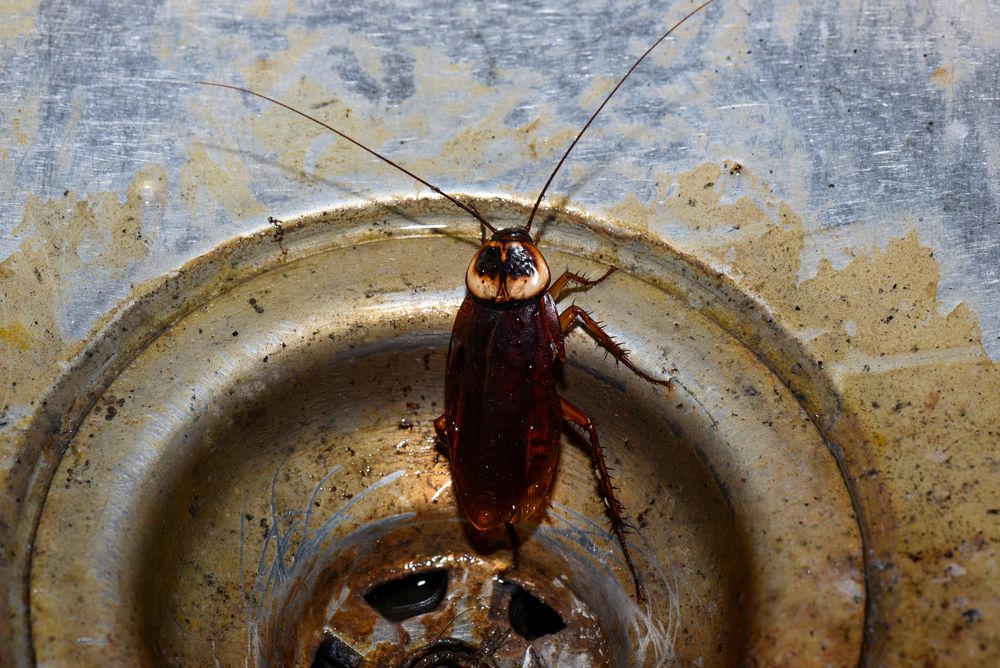
You keep your home clean, vacuum regularly, and wipe down surfaces. Yet something invisible multiplies in your indoor air, triggering respiratory problems you cannot explain. Your children wheeze more at night. Asthma attacks happen more often inside your house than anywhere else. Allergies flare up without obvious causes. Scientists at North Carolina State University just uncovered a hidden source of indoor air pollution that affects millions of families, especially those in apartment buildings and low-income housing. Pests you rarely see during daylight hours work around the clock, depositing substances that make breathing harder for everyone in your home. What researchers measured in household dust will disturb anyone who cares about indoor air quality.
What Researchers Discovered About Indoor Air Contamination
Scientists at North Carolina State University studied apartment complexes in Raleigh, North Carolina, measuring cockroach populations alongside allergen and endotoxin levels in each home. They collected both settled dust from floors and airborne dust from heating and air conditioning filters before any treatment began.
Results revealed that infested homes contained massive amounts of endotoxins, bacterial cell wall fragments released when bacteria die. Cockroaches consume nearly anything, giving them rich and diverse gut microbiomes packed with bacteria. When these insects defecate, molt, and die, they spread enormous quantities of live microbes and their cellular components throughout homes.
Female cockroaches produced roughly twice as much endotoxin as males. Researchers found around 2,900 endotoxin units per milligram of female feces compared to 1,400 units per milligram from males. Each female roach disseminates approximately 5,000 endotoxin units daily through droppings, while males deposit about 750 units per day.
Dr. Coby Schal, Distinguished Professor of Entomology at NC State and study co-author, explained that endotoxins provoke allergic responses when people inhale them. Previous surveys in United States homes found endotoxin levels much higher in residences with self-reported cockroach problems. Associations proved stronger in low-income homes than in single-family houses.
Kitchens showed higher endotoxin concentrations than bedrooms because cockroaches find abundant food sources there. Roaches congregate where food exists, depositing more fecal matter in areas they frequent most.
Researchers divided infested apartments into two groups: untreated homes and those receiving professional extermination. They also included control homes without infestations. Dust and insect samples were collected again at three and six months.
Homes remaining untreated showed high allergen and endotoxin levels throughout the entire study. Units receiving extermination got cleared of cockroaches and showed substantial reductions in both contaminants.
How Cockroaches Fill Your Air With Toxins
Cockroaches spread contamination through multiple pathways that most people never consider. Every time a roach defecates, bacterial endotoxins from its gut microbiome enter your home environment. These particles settle on surfaces, embed in carpets, and become airborne when disturbed.
Molting adds another layer of contamination. As cockroaches grow, they shed their outer shells periodically. Dead skin and shell fragments contain allergens that break into smaller particles over time. Even dead cockroaches continue polluting indoor air as their bodies decompose.
Studies confirmed that both allergens and endotoxins become airborne. Heating and air conditioning systems circulate these particles throughout homes. Every time your HVAC system runs, it potentially distributes roach-related contaminants to every room.
Researchers recovered substantial amounts of cockroach allergens and endotoxins from HVAC filters. Filters captured biological contaminants floating in air rather than just settled in dust. People inhale these particles with every breath inside infested homes.
Cockroach allergen Bla g 2 ranks among the most potent triggers identified. Sensitization thresholds sit at just 40 nanograms per gram of dust, while 80 nanograms per gram gets associated with symptoms and illness. Baseline allergen concentrations in all infested homes studied exceeded sensitization thresholds by large margins.
Settled dust in infested kitchens contained 17 times more Bla g 2 than uninfested kitchens. Infested bedrooms had nearly 21 times more allergen than clean bedrooms. Children sleeping in these environments inhale concentrated doses of allergens night after night.
Endotoxin concentrations varied widely between homes, ranging from 15.5 to 1,410 units per milligram in kitchens and 7.0 to 354.1 units per milligram in bedrooms. Average endotoxin levels in infested homes reached 176.9 units per milligram in kitchens and 48.8 units per milligram in bedrooms.
Female Roaches Cause Double Trouble
Female cockroaches create significantly worse contamination problems than males for a simple biological reason: they eat more. Higher food consumption means more frequent defecation and greater endotoxin output.
Research scholar Madhavi Kakumanu from NC State explained that female roaches shed more endotoxins through fecal matter because of their increased appetite. Females need extra nutrition for egg production and overall reproduction.
A typical large infestation containing thousands of cockroaches deposits millions of endotoxin units throughout a home. Female roaches drive much of this contamination load because each one produces nearly double what males contribute.
The size of infestations matters tremendously. Homes with larger roach populations showed proportionally higher allergen and endotoxin concentrations. Every additional cockroach adds to the total contamination burden families breathe daily.
Researchers noted that cockroaches shape entire indoor microbiomes. Bacterial communities in infested apartments overlap more with bacteria found in cockroach guts than with microbes in uninfested homes. Roaches literally change the biological environment inside residences.
Kitchen Contamination Reaches Dangerous Levels
Kitchens harbor the worst contamination in infested homes. Food sources attract cockroaches, causing them to spend most of their time there. Higher roach populations in kitchens mean more fecal deposits, more shed allergens, and more bacterial contamination.
Cockroaches hide behind refrigerators, under stoves, inside cabinets, and around sinks. These hiding spots give them easy access to food scraps, water sources, and warm conditions they prefer. Fecal specks accumulate on appliance backs, inside air vents, and along baseboards.
Researchers photographed massive roach populations and fecal deposits behind kitchen appliances. Black specks covering refrigerator backs and air registers contained concentrated allergens and endotoxins. People rarely clean these hidden areas, allowing contamination to build up for months or years.
Hard flooring in kitchens offers some advantages over carpeted bedrooms. Tile and linoleum clean more easily than carpet fibers that trap particles deep within. However, kitchens still showed higher overall contamination because roach populations concentrate there.
Air circulation from cooking fans and open doors spreads kitchen contamination throughout homes. Allergens and endotoxins deposited in kitchens don’t stay confined to that space. HVAC systems pull particles from kitchens and distribute them to bedrooms, living rooms, and other areas.

Eliminating Roaches Dramatically Improves Air Quality
Professional extermination produced remarkable results in the NC State study. Homes receiving treatment saw cockroach populations drop to nearly zero within three months. Most homes maintained zero roach counts through the six-month study period.
As roach numbers fell, allergen levels plummeted. Bla g 2 concentrations in kitchen dust dropped from 1,359 nanograms per gram at baseline to just 128.7 nanograms per gram at six months. That represents more than a tenfold reduction.
Bedroom allergen levels followed similar patterns. Infested bedrooms started with 308.3 nanograms per gram and decreased as exterminators eliminated cockroaches. Many intervention homes showed allergen levels below detection limits by study end.
HVAC filter contamination declined significantly in treated homes. Filters collected fewer airborne allergens as living roach populations disappeared. Reduced allergen deposits meant less contamination circulating through air systems.
Endotoxin concentrations dropped 53 percent in kitchens where cockroaches were eliminated. Levels fell from 176.9 units per milligram at baseline to 69.0 units per milligram at six months. Treated homes approached endotoxin levels seen in uninfested residences.
Dr. Schal emphasized that eliminating cockroaches eliminates their allergens. Small decreases in roach numbers don’t lower allergen levels because remaining live insects deposit more allergens. Complete elimination proves necessary for meaningful improvements.
Untreated control homes maintained high allergen and endotoxin levels throughout the study. Some untreated homes showed increased contamination over time as roach populations grew. Without intervention, indoor air quality continued to deteriorate.
My Personal RX on Protecting Your Family From Cockroach Contamination
Cockroaches don’t just gross people out; they actively harm respiratory health by poisoning indoor air with allergens and bacterial toxins. Children face the greatest risks because their developing lungs and immune systems react more strongly to these contaminants. You cannot improve indoor air quality without eliminating roach populations completely. Half measures don’t work because remaining insects continue depositing fresh allergens daily. Professional treatment combined with preventive measures protects families from invisible threats that worsen asthma and allergies. Start taking action today to reclaim healthy air inside your home.
- Hire Professional Exterminators for Complete Elimination: Don’t try handling serious cockroach infestations yourself. Professional pest control uses targeted gel baits and integrated pest management strategies that eliminate entire populations. Research shows complete elimination reduces allergens by more than 90 percent within months.
- Clean Hidden Areas Behind Appliances: Pull refrigerators, stoves, and other large appliances away from walls to clean accumulated roach feces and debris. These hidden spaces harbor concentrated contamination that standard cleaning misses. Deep cleaning after extermination removes reservoirs that could redistribute allergens.
- Replace HVAC Filters Monthly During Infestations: Heating and cooling filters trap airborne allergens and endotoxins circulating through your home. Change filters more frequently than normal during and after pest treatment. Monthly replacement prevents contaminated particles from recirculating into rooms where your family breathes.
- Focus Cleaning Efforts on Kitchens: Cockroaches concentrate in kitchens, making them contamination hotspots. Vacuum kitchen floors daily, wipe counters and cabinets thoroughly, and eliminate food sources that roaches seek. Hard flooring in kitchens makes cleaning easier than carpeted areas.
- Support Restful Sleep for Immune Function: Your immune system repairs and resets during deep sleep cycles. Sleep Max contains magnesium, GABA, 5-HTP, and taurine that promote restorative REM sleep, helping your body recover from daily allergen exposures and maintain strong respiratory defenses against environmental triggers.
- Address Nutrient Deficiencies That Weaken Immunity: Your body needs specific nutrients to handle environmental toxins and allergens effectively. The 7 Supplements You Can’t Live Without is a free guide explaining which nutrients support respiratory health, the supplements that fill common gaps, and how to identify quality products worth your money.
- Seal Cracks and Entry Points: Prevent new roach infestations by caulking gaps around pipes, sealing cracks in walls, and fixing holes where insects enter. Multi-unit housing residents should work with property managers to treat entire buildings simultaneously, since roaches move between apartments easily.
- Monitor Children for Respiratory Symptoms: Watch for increased wheezing, nighttime coughing, or asthma attacks that worsen at home. Document symptom patterns and discuss them with pediatricians. Children showing cockroach sensitization need aggressive environmental interventions to prevent long-term respiratory damage.
Source: Kakumanu, M. L., DeVries, Z. C., Santangelo, R. G., Siegel, J., & Schal, C. (2025c). Indoor allergens and endotoxins in relation to cockroach infestations in low-income urban homes. Journal of Allergy and Clinical Immunology Global, 5(1), 100571. https://doi.org/10.1016/j.jacig.2025.100571