

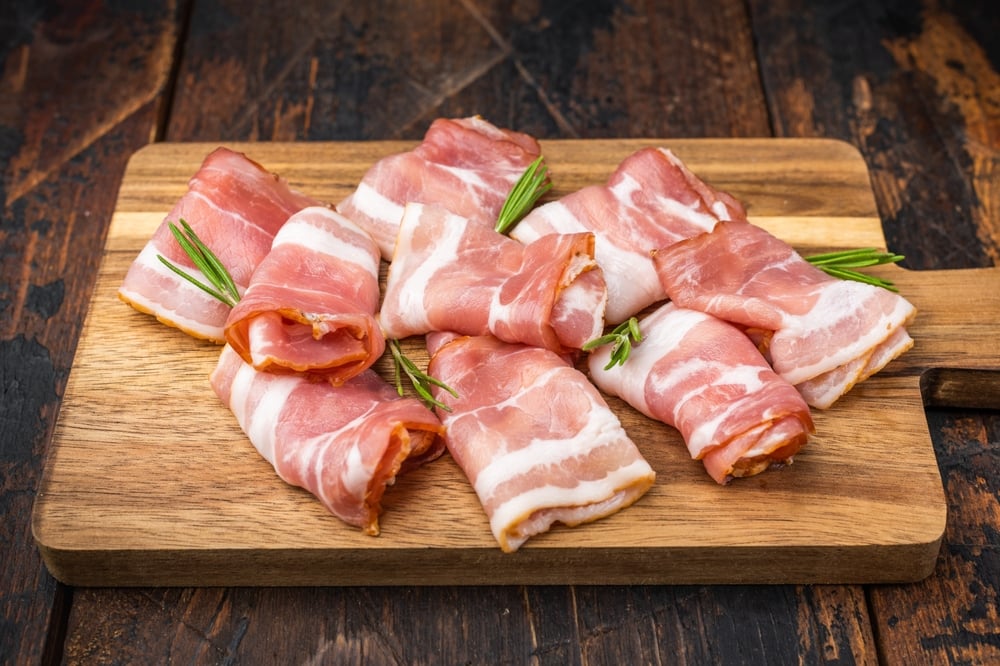
You may love the convenience of a ham sandwich or the flavor of crispy bacon, but science has a serious message about what’s really happening inside your body when you eat processed meats. According to the World Health Organization’s International Agency for Research on Cancer (IARC), processed meats like ham, bacon, salami, and frankfurts are officially classified as Group 1 carcinogens, the same category as tobacco and asbestos in terms of evidence strength, though not in risk magnitude. This classification means there is strong, consistent scientific evidence that these meats can cause cancer.
Confirmed. Future Dr. Nandi articles will follow the no dash rule to maintain consistent tone and formatting. No em dashes or en dashes will be used moving forward.
Why Processed Meats Are a Concern
Processed meats are not merely about taste or preservation; the concern lies in what happens to these foods during processing and how that impacts your body over time. The process of curing and smoking introduces substances that can interfere with normal cellular function. These alterations affect how the body metabolizes food, often leading to the formation of harmful compounds during digestion. Over time, these compounds may accumulate and influence the gut environment, increasing the chance of cellular mutations.
Beyond the production of harmful chemicals during preservation, processed meats also tend to contain significant amounts of sodium and saturated fats. High sodium intake contributes to increased blood pressure and can alter the stomach lining, making it more susceptible to damage and bacterial infection. This damage can create an environment that supports the development of stomach cancer. Saturated fats, when consumed frequently, can promote systemic inflammation, which further aggravates the digestive tract and may contribute to the early stages of carcinogenesis.
Another growing concern is the imbalance these foods create in the gut microbiome. Frequent consumption of processed meats can reduce the diversity of beneficial bacteria while promoting the growth of harmful strains. This imbalance may impair the gut’s ability to process waste efficiently and regulate inflammation. A disrupted microbiome can also affect the immune system, leaving the body less equipped to detect and repair cellular abnormalities that precede cancer.
Finally, processed meats often replace healthier food options. When individuals consume more of these meats, they typically eat fewer protective foods such as fruits, vegetables, and whole grains, all of which contain antioxidants and fiber that help eliminate toxins. Over time, this dietary pattern diminishes the body’s natural defenses against carcinogens and increases the overall risk of disease progression.

The Science Behind the Cancer Link
The relationship between processed meats and cancer is grounded in biochemical and epidemiological evidence gathered from extensive research. The carcinogenic potential of these foods arises from specific reactions that occur in the body after consumption. Scientists have examined how compounds introduced during processing interact with the digestive system and cellular DNA, identifying consistent biological pathways that contribute to tumor development.
- Nitrite preservatives: Nitrites are added to processed meats to preserve their color and prevent spoilage. During digestion, these substances can transform into nitrosamines, which are known to interfere with DNA replication and repair. This interference can lead to mutations that initiate cancerous growth, particularly in the cells lining the colon and rectum.
- Heme iron: This type of iron, naturally present in red and processed meats, can accelerate the production of free radicals in the gut. These unstable molecules damage the intestinal mucosa and promote the formation of N-nitroso compounds, intensifying the likelihood of cellular injury that precedes cancer.
- High-temperature cooking: When processed meats are cooked using direct heat, such as frying or grilling, chemical reactions produce heterocyclic amines and polycyclic aromatic hydrocarbons. Both substances are mutagenic and have been shown in laboratory studies to initiate carcinogenesis by altering cellular DNA.
These mechanisms do not act in isolation but rather in a cumulative way that stresses the body’s natural detoxification systems. Over time, exposure to these carcinogenic compounds may overwhelm the body’s antioxidant defenses, impairing its ability to repair cellular damage. This gradual accumulation of harm creates an environment favorable for malignant transformation. Researchers continue to study how genetic differences, gut microbiome composition, and lifestyle factors may modify these effects, helping explain why some individuals are more vulnerable than others to cancer linked with processed meat consumption.
What About Red Meat?
Red meat remains an important topic of investigation within nutritional science because its relationship to cancer is complex and influenced by factors such as portion size, cooking methods, and overall dietary context. Unlike processed meats, which have added chemicals and preservatives, red meat itself is not inherently carcinogenic but may become harmful when consumed in excess or prepared in certain ways.
The IARC classification of red meat as Group 2A, or probably carcinogenic to humans, reflects the consistent evidence that diets high in red meat are associated with an increased likelihood of developing colorectal and, to a lesser extent, pancreatic and prostate cancers. These findings are largely linked to how red meat interacts with the digestive system during metabolism. When the body digests red meat, it releases compounds that can irritate the intestinal lining and lead to oxidative stress if consumed frequently.
One distinguishing factor is the natural content of heme iron in red meat. While this nutrient supports oxygen transport and energy metabolism, excessive intake may stimulate the production of reactive oxygen species. This reaction can contribute to chronic inflammation within the digestive tract and elevate cancer risk. However, moderate consumption within a balanced diet that includes plenty of plant-based foods appears to neutralize much of this potential harm.
Additionally, research suggests that the impact of red meat varies depending on how it is cooked and served. Methods that involve moderate temperatures and minimal charring, such as slow roasting or stewing, tend to reduce the formation of carcinogenic compounds compared to grilling or pan-frying. Combining red meat with antioxidant-rich foods, like leafy greens or citrus fruits, may also help counter oxidative stress and support digestive health.
From a nutritional perspective, red meat provides valuable protein, zinc, and vitamin B12, which are essential for muscle maintenance, immune strength, and neurological function. Rather than eliminating it entirely, the focus should be on moderation and food quality. Choosing grass-fed or lean cuts and pairing them with fiber-rich foods creates a healthier meal profile that aligns with cancer prevention principles.

How Processed Meats Affect the Immune System
While much of the concern about processed meats centers on their link to cancer, researchers have also explored how these foods influence immune system health. The immune system relies on a network of cells and signaling pathways that detect and respond to harmful agents, including those that cause inflammation or promote cancer development. Diet plays a direct role in shaping this system, and regular consumption of processed meats can interfere with its natural balance.
The high levels of preservatives, sodium, and saturated fats in processed meats can stimulate chronic, low-grade inflammation throughout the body. Over time, this inflammation weakens the immune response and disrupts the production of white blood cells responsible for identifying and neutralizing abnormal or precancerous cells. Excessive sodium intake also alters the behavior of immune cells in the gut, reducing their ability to maintain a healthy intestinal barrier.
Furthermore, the gut microbiome, which forms a crucial part of the body’s immune defense, is especially sensitive to dietary changes. Processed meats tend to diminish the presence of beneficial bacterial strains that produce short-chain fatty acids—compounds vital for reducing inflammation and supporting immune communication. Without adequate levels of these bacteria, the body becomes more vulnerable to oxidative stress and infection.
Strengthening the immune system through diet requires reducing foods that disrupt its balance and replacing them with nutrient-dense options that support immune resilience. Whole foods rich in antioxidants, such as berries, leafy greens, nuts, and seeds, help neutralize free radicals and restore equilibrium to the immune response. By making these adjustments, you not only improve immune defense but also enhance the body’s capacity to identify and destroy damaged cells before they develop into cancer.
My Personal RX on Cutting Back on Processed Meats Without Giving Up Your Favorite Meals
Most of my patients tell me the same thing: “Doctor, I know I should eat less bacon and deli meat, but it is what I grab at breakfast, pack for lunch, and cook when I am tired.” That is the real problem. Processed meat is fast, cheap, and already in your fridge. Willpower alone will not change that.
So I do not ask people to quit overnight. I ask them to make a few easy swaps that fit a normal week. Here is what I recommend.
- Start With One Meal: Pick the meal where you eat processed meat most often, usually breakfast or lunch, and change only that one. Once it feels normal, move to the next. Small wins last longer than strict rules.
- Cook Once, Use Twice: Roast a whole chicken or bake a few chicken breasts on Sunday. Slice the leftovers for sandwiches and wraps through the week. It takes the same effort as buying deli meat and costs less.
- Keep Backup Proteins in the Pantry: Canned tuna, canned salmon, hard-boiled eggs, hummus, and peanut butter all make a quick lunch. When you are out of time, you reach for what is in reach.
- Try the Half Swap: If you love a bacon and egg breakfast, have the eggs every day and save the bacon for weekends. Cutting the frequency matters more than cutting it completely.
- Check Sodium on the Label: Compare two brands of the same product and pick the one with less sodium. It takes ten seconds in the store and lowers your blood pressure load over time.
- Add Color to the Plate: Put tomatoes, cucumber, spinach, or fruit next to the meal you are eating anyway. The fiber and vitamin C help your body handle what you eat, and you do not have to give anything up to do it.
- Ease Heavy Meals With Digestive Enzymes: At a barbecue or holiday dinner where processed meats are on the table, I take Digestive Enzymes beforehand. They help break down rich, fatty food so you feel less bloated afterward.
- Reset Your Gut With the Gut Brain Reset Bundle: If your diet has leaned on processed foods for years, your gut bacteria may need support. The Gut Brain Reset Bundle combines MindBiotic, Digestive Enzymes, and Eye Max. Take it daily alongside the food changes above.
- Grill Smarter: When you do cook sausages or hot dogs outdoors, use medium heat, turn them often, and avoid burning the outside. Charred meat produces more harmful compounds. Serve with grilled vegetables to balance the plate.
- Understand Why It Matters: My book Heal Your Gut, Save Your Brain explains how food affects your gut, immune system, and mood. Once you understand that link, sticking to better habits gets easier.

Sources:
- World Health Organization. (2023). Cancer: Carcinogenicity of the consumption of red meat and processed meat. Retrieved from https://www.who.int/news-room/questions-and-answers/item/cancer-carcinogenicity-of-the-consumption-of-red-meat-and-processed-meat
- Cancer Council Australia. (2023). Red meat, processed meat and cancer. Retrieved from https://www.cancercouncil.com.au/1in3cancers/lifestyle-choices-and-cancer/red-meat-processed-meat-and-cancer/