


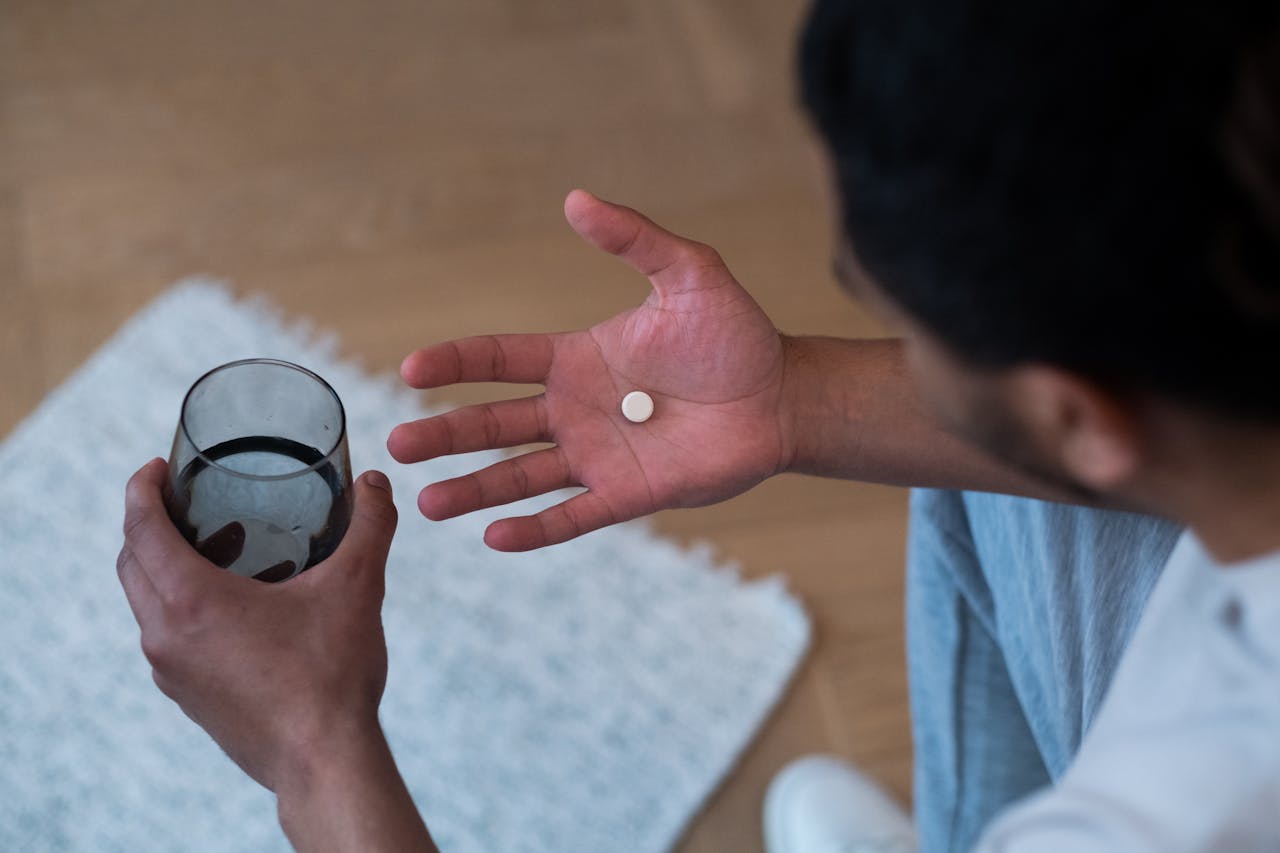
If you struggle to fall asleep, you’re not alone.
Roughly 1 in 3 adults report regular sleep problems, and for many, the solution feels obvious: melatonin.
It’s cheap, it’s everywhere, and it’s marketed as “natural.”
But new research is raising serious questions about whether long-term melatonin use is as harmless as we’ve been led to believe.
And the findings surprised even doctors.
What New Research Is Revealing About Melatonin
In November, physicians from SUNY Downstate Health Sciences University presented a large-scale analysis at the American Heart Association’s Scientific Sessions.
The study examined medical records from over 130,000 adults with chronic insomnia, tracked over five years.
Half of them had been using melatonin regularly for at least one year, the other half had not.
Here’s what stood out:
- Long-term melatonin users had an 90% higher rate of developing heart failure
- They were 3.5 times more likely to be hospitalized for heart failure
- They were nearly twice as likely to die from any cause during the study period
To be clear, this was an observational study, meaning it shows association, not direct causation.
But because of the size of the dataset and the consistency of the findings, researchers say it raises legitimate safety concerns that can’t be ignored.
As lead author Dr. Ekenedilichukwu Nnadi, M.D., stated:
“Melatonin supplements may not be as harmless as commonly assumed.”

Why This Research Is Raising Red Flags
Melatonin is not just another vitamin.
It’s a hormone, produced naturally by your brain’s pineal gland, and tightly involved in regulating circadian rhythm, blood pressure, and cardiovascular signaling.
When you take melatonin as a supplement, especially in doses far higher than your body naturally produces, you are essentially overriding that system.
And dosage inconsistency is a real problem.
A 2017 analysis found that melatonin supplements ranged from 83% to nearly 500% more than the labeled dose.
So someone taking “1 mg” could unknowingly be taking five times that amount, night after night.
Over time, that may matter.
What Researchers Think Might Be Happening
Even scientists urging caution agree on one thing: melatonin does not work like a traditional sleep aid.
Instead of supporting sleep architecture, it often acts as a blunt signal, forcing the body into drowsiness whether the nervous system is ready or not.
Some researchers believe long-term use may:
- Disrupt natural circadian signaling
- Suppress the body’s own melatonin production
- Mask deeper issues like stress, cortisol imbalance, or nervous system dysregulation
In other words, melatonin may help you fall asleep, but not necessarily help you sleep well.
And poor-quality sleep carries its own risks.
What to Look for Instead When Supporting Better Sleep
If long-term melatonin use raises legitimate questions, the next logical question is:
What actually supports better sleep without interfering with your body’s natural rhythms?
Sleep specialists increasingly agree on this point: quality sleep starts with nervous system regulation, not hormone override.
Falling asleep easily and staying asleep depend on whether your body can shift out of “alert mode” and into a parasympathetic, restorative state.
That’s why many clinicians now look for nutrients that support:
- A calmer stress response
- Balanced neurotransmitters
- Muscle relaxation and physical ease
- Deeper, more stable sleep cycles
Instead of forcing sleep, these nutrients help the body allow sleep.
Key Nutrients Linked to Deeper, More Restful Sleep
Magnesium
Magnesium plays a central role in nervous system relaxation. It helps reduce nighttime muscle tension, supports GABA activity in the brain, and signals the body that it’s safe to power down.
Low magnesium levels are consistently associated with poor sleep quality and nighttime restlessness.
GABA (Gamma-Aminobutyric Acid)
GABA is the brain’s primary calming neurotransmitter. When GABA activity is low, the mind stays “on,” even when the body is exhausted.
Supporting GABA can help quiet racing thoughts and reduce that wired-but-tired feeling that keeps many people awake.
5-HTP
5-HTP is a precursor to serotonin, which plays a critical role in regulating the sleep–wake cycle. Balanced serotonin levels are associated with smoother transitions into sleep and more consistent sleep patterns overnight.
Taurine
Taurine supports nervous system stability and has been shown to promote relaxation without sedation. It helps calm overstimulation while supporting deeper sleep phases rather than light, fragmented rest.
Dr. Nandi’s Melatonin-Free Supplement Helps You Fall Asleep Faster, Stay Asleep, and Wake Refreshed
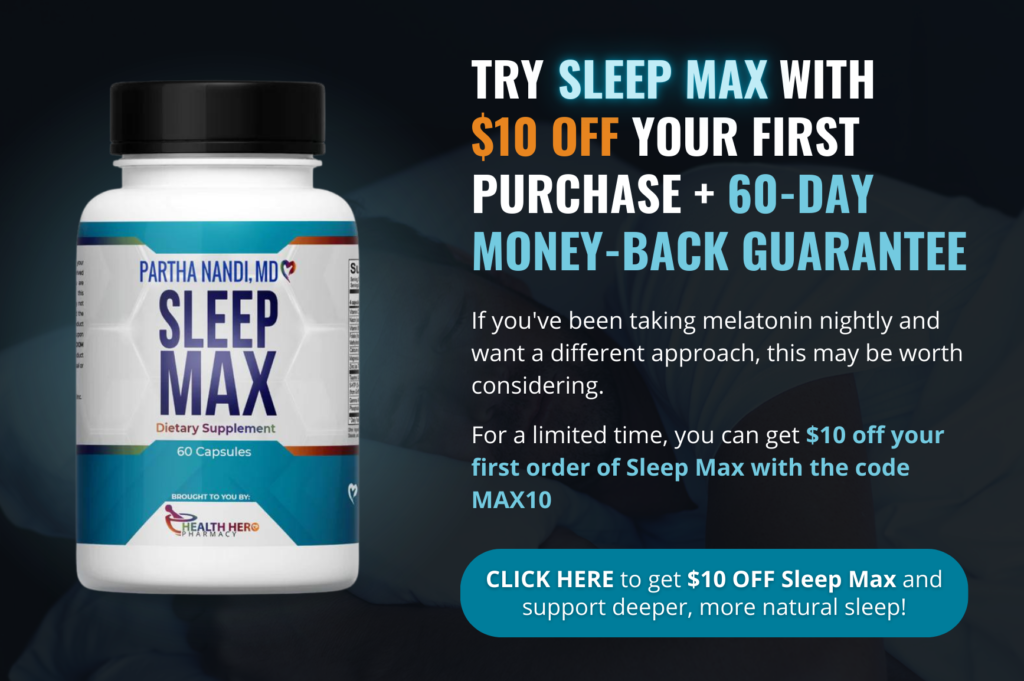
Instead of supplying an external hormone, Dr. Nandi’s Sleep Max focuses on giving your body the building blocks it needs to regulate sleep on its own, including Magnesium, GABA, 5-HTP, and Taurine.
It’s melatonin-free and designed to support relaxation, sleep depth, and next-day clarity.
People who switch to Sleep Max often report:
- Falling asleep more easily without feeling “knocked out”
- Staying asleep longer through the night
- Waking up clearer and more refreshed
- Less grogginess or dependency over time
No hormone spikes. No forced shutdown. Just support for the systems that already control sleep.
What People Are Saying About Dr. Nandi’s Sleep Max
⭐⭐⭐⭐⭐
“I like this supplement, it doesn’t make me drowsy the next day and just gently eases into sleep. I think the combination of ingredients is decent and healthy and I take it daily to help with my sleep.” – Dasha, Verified Buyer
⭐⭐⭐⭐⭐
“I love this product, I took it about an hour before bed, I read a bit and easily fell asleep. What surprised me was that I slept clear through the night which is highly unusual. I woke up feeling rested and energized… not groggy and lethargic like some name brand PM OTC pain meds can sometimes do. Happy Happy!” – Peggy Lynn, Verified Buyer
⭐⭐⭐⭐⭐
“If you have insomnia like me, you know how hard it is. Sleep Max really works, it’s natural and is melatonin free. Contains Magnesium, GABA, taurine and 5-HTP. Sleep Max promotes calmness, relaxation and night time walking.” – Claudia, Verified Buyer
How Dr. Nandi’s Sleep Max Compares to Other Sleep Aids
| Feature | Dr. Nandi’s Sleep Max | Typical Melatonin Supplements | OTC Sleep Aids (PMs) |
| Primary mechanism | Nervous system & neurotransmitter support | External hormone signal | Sedating antihistamines |
| Contains melatonin | No | Yes | No |
| Supports natural sleep-wake rhythm | Yes | Can interfere with long-term use | No |
| Focuses on sleep quality, not just sleep onset | Yes | Sometimes | Rarely |
| Helps calm racing thoughts | Yes | Limited | No |
| Supports muscle relaxation & physical ease | Yes | No | No |
| Risk of next-day grogginess | Low | Common | Very common |
| Risk of tolerance or dependency | Designed for nightly use | Possible with nightly use | Common |
| Dosage consistency concerns | Clinically formulated | Frequently reported | N/A |
| Designed for long-term nightly support | Yes | Questionable | No |
Sources:
Long-term use of melatonin supplements to support sleep may have negative health effects. (n.d.). American Heart Association. https://newsroom.heart.org/news/long-term-use-of-melatonin-supplements-to-support-sleep-may-have-negative-health-effects
Erland, L. A., & Saxena, P. K. (2017). Melatonin natural health products and supplements: Presence of serotonin and significant variability of melatonin content. Journal of Clinical Sleep Medicine, 13(02), 275–281. https://doi.org/10.5664/jcsm.6462
Sleep Disorders and Heart Health. (2023, June 26). American Heart Association. https://www.heart.org/en/health-topics/sleep-disorders/sleep-and-heart-health








 Subscribe to Ask Dr. Nandi YouTube Channel