



If 2025 felt more exhausting than inspiring, you are far from alone. A recent national survey found that only about 10% of Americans described 2025 as a great year. The rest were caught somewhere between “just okay” and “barely hanging on.” Despite economic recovery headlines and the return to normalcy after years of upheaval, most people did not feel genuinely better. They felt tired in mind, body, and spirit.
This widespread fatigue is more than a cultural mood. It reflects a growing crisis in mental health, lifestyle balance, and chronic stress, influencing how people experience daily life and how their bodies respond to it. This article explores why so many Americans struggled to feel “great” and what science shows about recovering emotional resilience.
Why Fatigue Became the National Emotion
The fatigue that dominated 2025 was not simply the product of stress hormones or lack of sleep. It reflected a deeper mismatch between human biology and modern living. Many people found themselves caught in patterns of constant mental effort without corresponding emotional recovery. The typical day demanded sustained attention, multitasking, and a steady stream of digital information. Over time, this pattern trains the brain to remain in a vigilant state, even during periods meant for rest. Studies have shown that continuous mental load reduces the brain’s ability to deactivate stress networks during downtime, leading to persistent feelings of tension and cognitive weariness.
Economic insecurity and work instability compounded this state of vigilance. Americans reported feeling that their effort no longer guaranteed stability, creating a sense of learned helplessness. This psychological phenomenon occurs when people perceive that their actions have little effect on outcomes, which undermines motivation and emotional energy. The result is a chronic state of mental depletion that cannot be restored by short-term rest.

The emotional climate of 2025 also reflected diminished autonomy and time control. Many individuals experienced limited flexibility in their schedules, longer commutes, and reduced access to nature or leisure activities. Research has linked low perceived control over one’s time to elevated depressive symptoms and decreased life satisfaction. The constant need to stay productive left little room for restorative experiences that replenish focus and mood. The outcome was a society functioning on effort alone, without the psychological renewal required to feel balanced or optimistic.
In this environment, fatigue became more than tiredness. It became an adaptive response to sustained imbalance between demand and recovery. The human brain, designed to alternate between alertness and restoration, struggled to reset. The result was a pervasive sense of emotional flatness that defined much of the nation’s collective mood in 2025.
The Hidden Cost of “Doing Everything Right”
Many people in 2025 maintained the routines associated with wellness and productivity yet still felt emotionally flat. This pattern reflects functional burnout, where outward behavior suggests stability while internal reserves are quietly depleted. The effort reward balance is skewed when sustained effort yields little sense of progress, recognition, or meaning. Hedonic adaptation further dulls satisfaction so yesterday’s accomplishment no longer feels rewarding today. Over weeks and months this creates a treadmill effect in which you keep moving without the feeling of moving forward.
Another hidden driver is emotional labor. In many roles people must regulate or mask authentic feelings to meet expectations of professionalism or positivity. Repeated suppression of frustration or disappointment is metabolically expensive and is linked with depersonalization, reduced motivation, and a blunted capacity for pleasure. You can meet every external requirement and still experience a quiet loss of interest and joy because the constant performance of composure drains emotional energy that is never truly replenished.
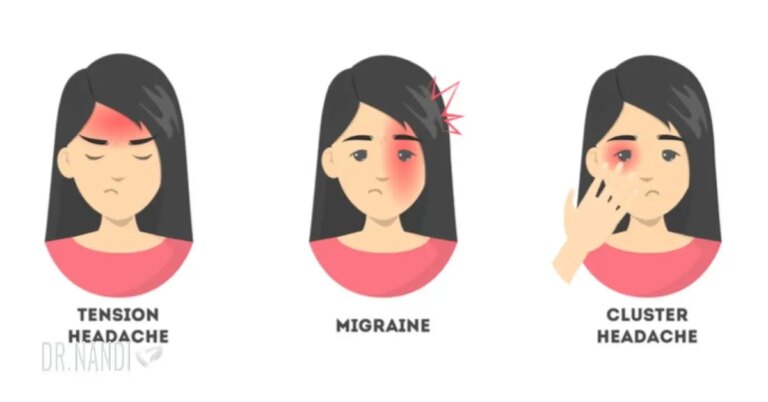
Boundaries also erode in subtle ways. Small obligations spill into evenings and weekends, not as emergencies but as short check ins and follow ups that keep the mind on task. Downtime becomes fragmented and recovery shallow. Sleep may be adequate in duration yet nonrestorative because the brain remains preoccupied with unfinished goals. Over time the body signals the cost through tension headaches, appetite changes, and generalized aches that resolve only when true psychological recovery returns. Doing everything right is not enough when meaning, honest emotion, and protected recovery time are missing.
The Gut Brain Link: Why Stress Feels Physical
Emotional strain often shows up first in the digestive tract because the gut brain axis is a living network of nerves, immune cells, and microbes that constantly exchange signals with the brain. When psychological stress persists, the composition and activity of gut bacteria shift. This alters the production of short chain fatty acids such as butyrate that normally support the intestinal barrier and calm immune activity. Reduced barrier integrity allows more microbial products to contact gut immune cells, which increases local inflammation and sensitizes the nerves that carry signals from the gut to the brain.
These bottom up signals shape mood and energy through several biochemical pathways. Immune messengers generated in the gut can circulate and influence brain function, while vagus nerve traffic relays the state of the intestines to regions that regulate arousal and emotion. Stress also changes tryptophan metabolism away from serotonin synthesis and toward the kynurenine pathway, a shift linked with low mood and fatigue. In parallel, gut microbes modulate bile acids and other metabolites that affect neurotransmitter systems involved in motivation and cognitive flexibility.
Because the brain interprets internal bodily signals to guide emotion, disturbed gut signaling can feel like anxiety, irritability, or mental fog even in the absence of obvious digestive distress. People may notice appetite swings, carbohydrate cravings, early satiety, or bloating that track with periods of psychological strain. Over time, this pattern reinforces a loop in which uncomfortable gut sensations heighten vigilance and worry, which further disrupts microbial balance and gut barrier function. Breaking that loop requires restoring stable gut signaling so the brain receives calmer inputs.

The Social Deficit: Connection as a Buffer Against Burnout
Feeling better in hard years often depends less on individual grit and more on the strength and texture of everyday relationships. Connection works through several distinct layers that add up to emotional protection. Structural support refers to the number and variety of people you can contact. Functional support captures what those ties actually provide, such as a listening ear, practical help, or honest feedback. Quality matters as much as quantity. A small circle that offers warmth, reliability, and reciprocity buffers exhaustion more effectively than a large network that feels distant or performative.
Belonging also shapes how you interpret stress. When you feel seen by family, friends, or a community group, setbacks register as shared challenges rather than personal failures. That shift reduces self blame and sustains motivation. Conversations that move beyond logistics to mutual disclosure restore morale because they validate emotion and rebuild meaning. Even brief moments of genuine engagement with neighbors, coworkers, or fellow parents at school add micro doses of encouragement that accumulate across a week.
Connection changes behavior in ways that preserve energy. People who check in with a partner or friend are more consistent with routines that stabilize mood, including regular meals, movement, and sleep timing, and they are quicker to course correct when their routine slips. Accountability is not pressure. It is a gentle reminder that your well being matters to someone else. Shared activities, such as cooking together, walking groups, faith gatherings, or volunteer projects, provide a ready made structure for contact without placing the burden on small talk or constant planning.
Finally, the medium of connection matters. Digital contact can maintain bonds, but it rarely replaces embodied presence for emotional renewal. Video and messaging are most helpful when they support in person meetings rather than substitute for them. Aim for fewer, deeper interactions that allow unhurried conversation. Over time, these practices rebuild a sense of safety and belonging that acts as a buffer against the chronic wear of difficult seasons.
My Personal RX on Reclaiming Calm and Clarity
If 2025 taught us anything, it’s that mental fatigue doesn’t always announce itself as anxiety or burnout. The good news is that mental recovery doesn’t require extreme measures. Small, consistent shifts that support sleep quality, nutrient balance, and nervous system regulation can make a real difference. These are the strategies I often recommend to help you rebuild energy, protect your mental health, and feel more like yourself again.
- Protect your sleep like a medical priority: Sleep is not passive downtime for your brain. It’s when emotional processing, memory consolidation, and neurotransmitter reset occur. Aim for consistent bed and wake times, even on weekends, to stabilize your circadian rhythm.
- Support deeper, more restorative sleep cycles: If your mind races at night or you wake up feeling unrefreshed, your nervous system may not be fully powering down. A targeted supplement like Sleep Max, formulated with magnesium, GABA, 5-HTP, and taurine, can help calm neural activity, balance neurotransmitters, and support healthy REM sleep—where emotional recovery happens.
- Reduce evening stimulation: Bright screens, late-night news, and intense conversations keep stress hormones elevated. Power down electronics at least an hour before bed and replace them with low-light, calming activities such as reading or gentle stretching.
- Address nutrient gaps that drain energy and focus
After 40, your body becomes less efficient at absorbing and utilizing key nutrients tied to brain health, sleep, and stamina. This can quietly contribute to fatigue, low motivation, and poor concentration. - Educate yourself before buying supplements
Not all supplements are created equal, and many “healthy” options are poorly absorbed or unnecessary. The 7 Supplements You Can’t Live Without free guide walks you through which nutrients tend to decline with age, how to spot low-quality products quickly, and how to avoid wasting money on things your body doesn’t need. - Eat to steady your nervous system
Blood sugar swings can worsen irritability, anxiety, and exhaustion. Build meals around protein, fiber, and healthy fats to keep glucose levels stable and support consistent mental energy throughout the day. - Move daily, but don’t overdo it
Gentle, regular movement like walking, mobility work, or light strength training supports mood-regulating neurotransmitters without overtaxing your stress response. More isn’t always better when you’re already worn down. - Create mental “off-ramps” during the day
Short breaks for deep breathing, sunlight exposure, or even two minutes of stillness help your nervous system reset. These pauses reduce cumulative stress that often shows up later as sleep trouble. - Watch your caffeine timing
Caffeine too late in the day can fragment sleep even if you fall asleep easily. Try cutting off coffee by early afternoon and notice whether your sleep depth improves. - Be patient with recovery
Mental exhaustion didn’t develop overnight, and recovery takes consistency. When you support sleep quality, fill nutrient gaps, and reduce nervous system overload, your brain has the tools it needs to restore clarity, resilience, and emotional balance.
Your mental health is closely tied to how well you rest and how well your body is nourished. By making sleep deeper and nutrition smarter, you give yourself a foundation to move out of survival mode and back into sustainable energy—no matter how demanding the world becomes.
Sources
- Lindgren, L., Bergdahl, J., & Nyberg, L. (2016). Longitudinal evidence for smaller hippocampus volume as a vulnerability factor for perceived stress. Cerebral Cortex, 26(8), 3527–3533. https://pmc.ncbi.nlm.nih.gov/articles/PMC4961026/
- Madsen, I. E. H., Nyberg, S. T., Magnusson Hanson, L. L., et al. (2017). Job strain as a risk factor for clinical depression: Systematic review and meta analysis with additional individual participant data. Psychological Medicine, 47(8), 1342–1356. https://pmc.ncbi.nlm.nih.gov/articles/PMC5471831/
- Walden, K. E., Murray Kolb, L. E., & Holscher, H. D. (2023). A randomized controlled trial to examine the impact of a multi strain probiotic on mood, anxiety, and neurotransmitter related outcomes. Nutrients, 15(17), 3789. https://pmc.ncbi.nlm.nih.gov/articles/PMC10501394/
Holt Lunstad, J., Smith, T. B., & Layton, J. B. (2010). Social relationships and mortality risk: A meta analytic review. PLoS Medicine, 7(7), e1000316. https://journals.plos.org/plosmedicine/article?id=10.1371/journal.pmed.1000316







 Subscribe to Ask Dr. Nandi YouTube Channel